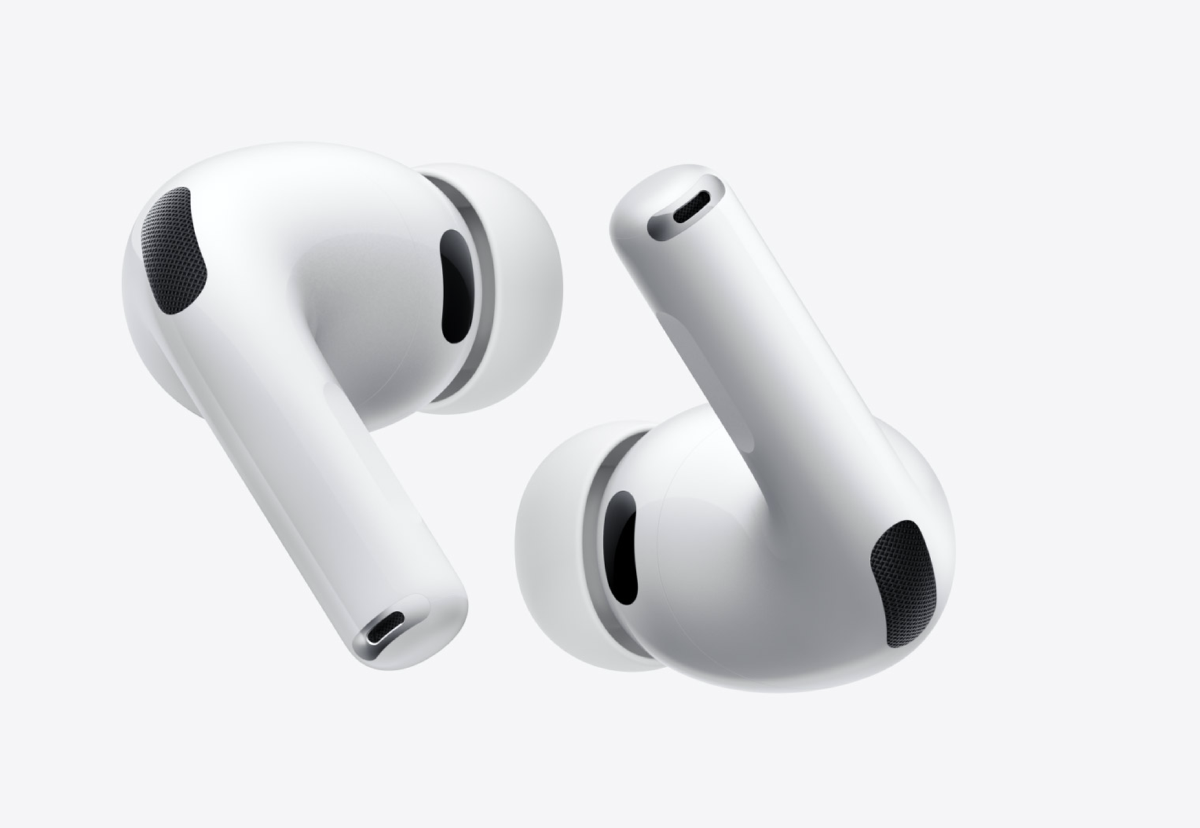
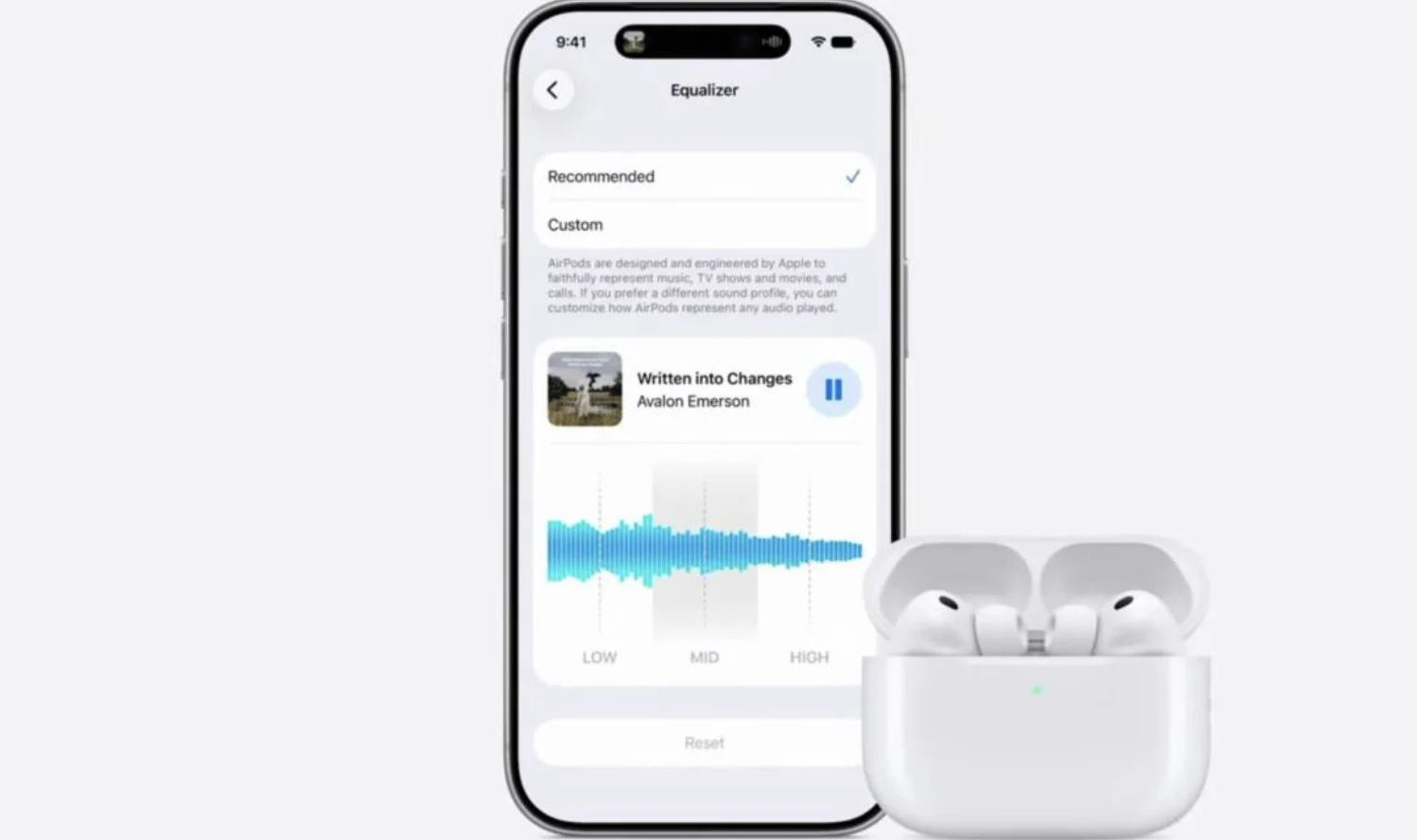
During the latest keynote, Apple dropped a real bombshell for quality sound lovers, though it did so very quietly. With the release of iOS 27, the proprietary AirPods will finally get a feature that users have been waiting for for years—a built-in tool for manual frequency adjustment.
Long-awaited step: and I like it
Until now, AirPods owners were strictly limited by Apple’s factory presets. Users had to settle for adaptive modes, spatial audio, and the system’s headphone accommodations feature, which only partially adjusted the sound profile. Meanwhile, major competitors in the market, such as Sony, Bose, or Samsung, have been offering full-fledged multi-band equalizers in their mobile apps for years. The appearance of such a tool in iOS 27 will be the biggest change in the brand’s audio segment in recent times and will finally allow users to tweak the signature sound to individual tastes.
How it will work: manual sliders or smart profiles?
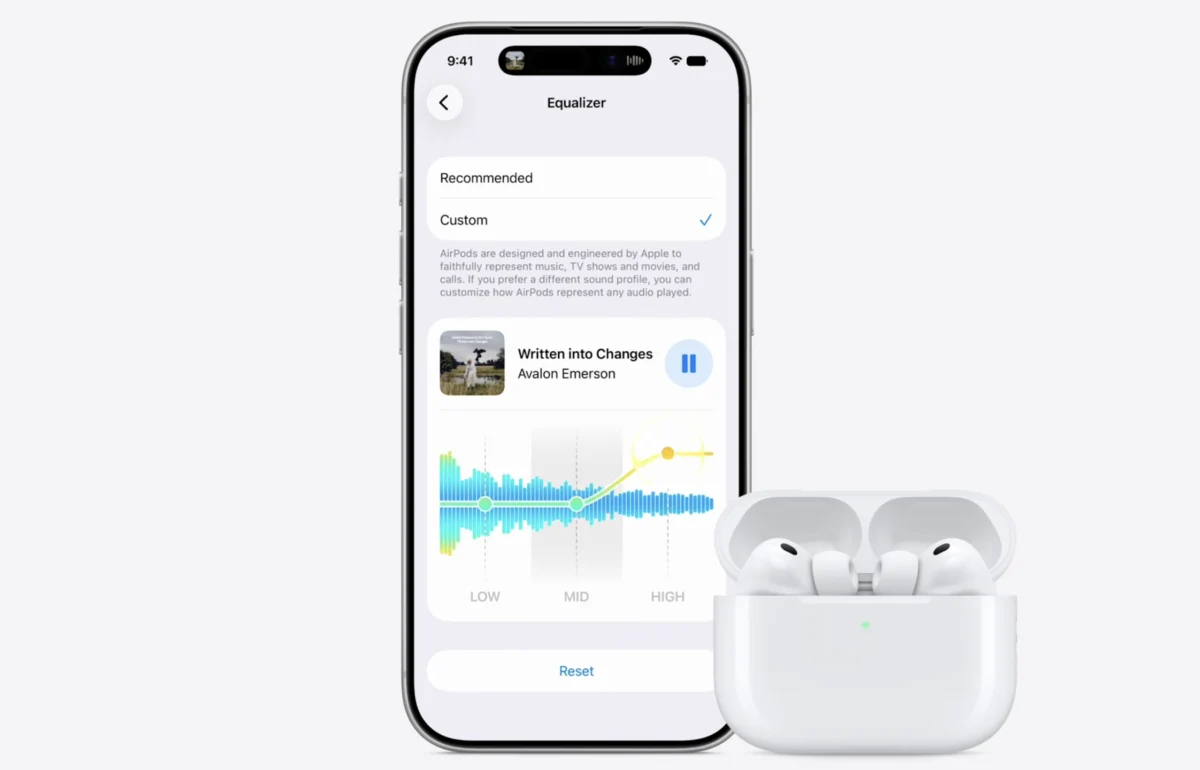
The main question is exactly what kind of interface Apple will choose. Some users hope for a classic multi-band equalizer where they can manually move sliders and adjust frequencies for a specific track. However, given the company’s desire for maximum simplicity, developers might offer an alternative.
For example, a set of ready-made preset cards (for rock, pop music, or podcasts) or an interactive hearing test. The headphones will play several sound frequencies, and you will only need to mark which option sounds better, after which the system will automatically create your personal audio profile.
Main intrigues of the release: who gets the new feature?
Currently, several important questions remain open, which Apple decided not to reveal ahead of time.
- model compatibility: whether the equalizer will become an exclusive for the Pro lineup and AirPods Max, or if the feature will be rolled out to base models as well;
- preset customization: whether the system will allow users to create and save their own manual settings;
- synchronization: whether the sound profiles will be tied to a specific device (like an iPhone) or if they will be flashed directly into the headphones’ memory to work with any hardware.
Does this bring them closer to competitors?
For the TWS earbuds industry, this step can hardly be called revolutionary, since the market has long demanded not just clean sound from brands, but maximum flexibility.
For Apple, this is a logical evolution that will help retain an audience that was increasingly looking toward competitors due to the lack of basic settings. The arrival of the equalizer will make AirPods a more versatile tool for any music genre.
Get breaking news on WhatsApp
Більше новин в телеграмі