OpenAI is preparing a change that could affect how people use ChatGPT paid subscriptions. Starting in December 2026, the company plans to combine usage limits for ChatGPT and Codex across its Plus, Pro, and Business plans. In other words, using one service could reduce the resources available for the other.
At first glance, this might not sound like a big deal. OpenAI is simply bringing its tools under one system. But for people who rely on ChatGPT every day, the change raises a reasonable question: are subscribers about to get less for their money?
OpenAI Will Introduce Shared ChatGPT and Codex Limits in December 2026
According to OpenAI’s updated documentation, subscribers to ChatGPT Plus, Pro, and Business will move to a shared usage system in December. Previously, ChatGPT and Codex had separate limits. Under the new arrangement, their usage will count toward the same allowance.
This means users will no longer have two independent pools of resources. If you spend a significant amount of time working with Codex, you may have less capacity available for demanding tasks in ChatGPT. The reverse will also be true.
There is, however, an important exception. OpenAI says regular conversations using Instant will not count toward the shared limit.
So, asking a question, translating a paragraph, or getting a quick explanation should not consume the same allowance used for more demanding AI tasks.
What Is Codex, and Why Is OpenAI Combining It With ChatGPT?
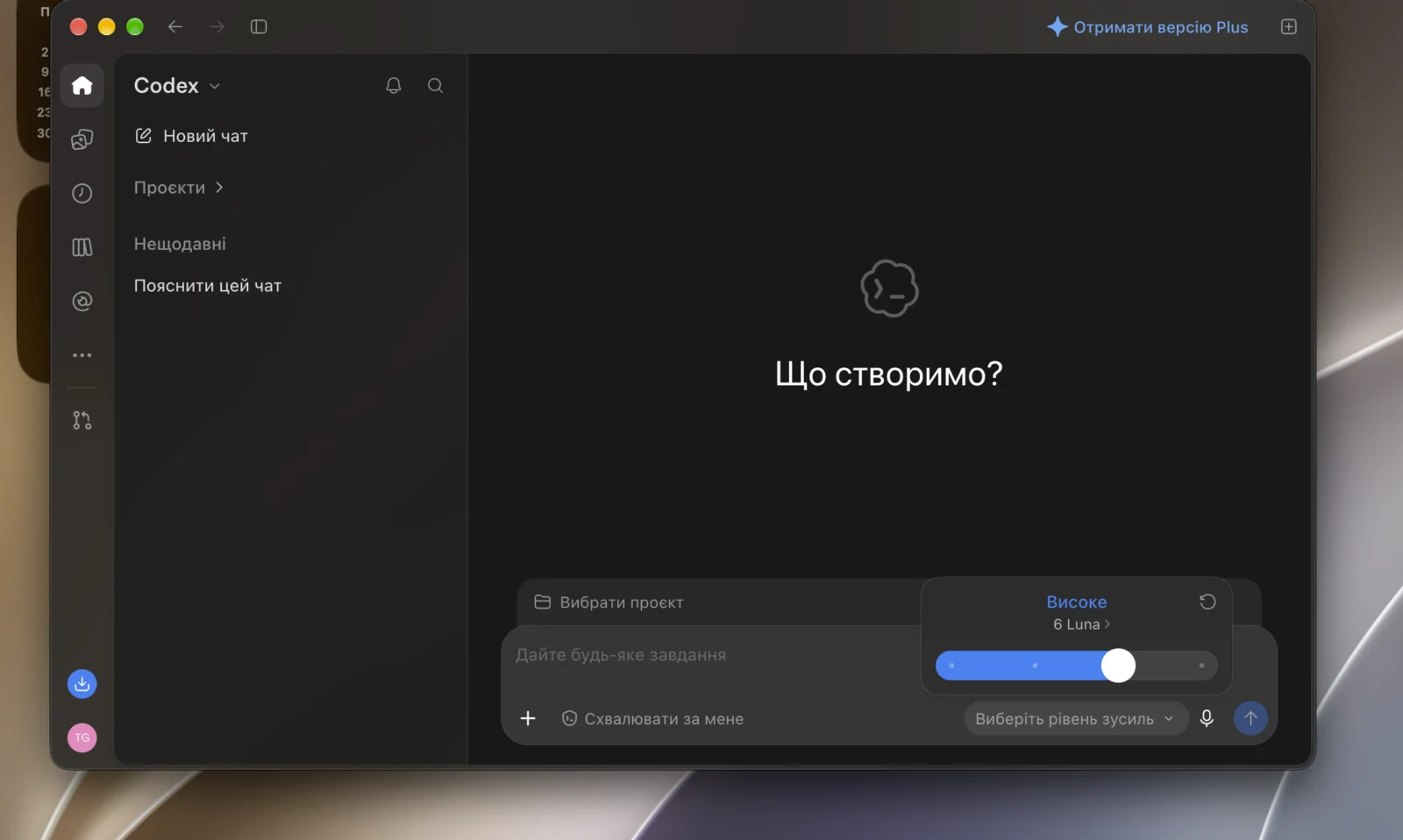
Codex is OpenAI’s AI coding tool. It can write and edit code, analyze software projects, find bugs, work with files, and assist with software development.
But OpenAI is gradually expanding the role of its AI products. The company wants ChatGPT to do more than respond to individual prompts. It is moving toward tools that can handle entire projects, from research and document analysis to website development and multi-step workflows.
This is where ChatGPT Work comes into the picture. It is designed to help users delegate more substantial tasks to AI rather than simply ask questions and receive answers.
Get breaking news on WhatsApp
Essentially, OpenAI is moving from a chatbot toward a broader AI work platform. And it wants the different tools within that platform to share computing resources.
How Will the New ChatGPT Usage Limits Work?
The new system will track usage in tokens. Tokens are units of information that AI models process. They are not the same as the number of messages sent: a short question and a lengthy research task can require very different amounts of computing power.
OpenAI says resource consumption will depend on the model and the complexity of the task. More advanced models and demanding operations will use more of the shared allowance.
Consider a typical situation.
You have a ChatGPT Plus subscription and spend part of your day working with Codex on a software project. Later, you return to ChatGPT to conduct in-depth research, analyze a lengthy document, or complete a complex task using an advanced model.
Under the new system, these activities will draw from the same pool of resources. Some of your available allowance will already have been used by Codex.
However, ordinary conversations in Instant are supposed to remain outside this calculation. That distinction matters because OpenAI is not planning to count every single chat message against the shared limit.
Why OpenAI’s New Limits Could Frustrate Subscribers
The biggest problem is not necessarily the decision to combine usage limits. It is the fact that OpenAI has not yet disclosed the exact size of the new allowance.
The company says most subscribers should not need to wait for limits to reset more frequently than they do now. But without actual numbers, it is difficult to evaluate that promise.
Imagine two ChatGPT Plus subscribers.
The first mainly uses ChatGPT for writing, translation, and everyday research. The second regularly works with code, analyzes documents, runs complex tasks, and uses Codex extensively.
Their needs are completely different. Yet both will be subject to the same general approach to tracking usage.
If the new allowance is not generous enough, heavy users could run into restrictions much sooner than expected.
There is another obvious concern: what if someone does not use Codex at all? They could still be affected by the new usage system.
That raises a perfectly reasonable question: why should subscribers’ access to the tools they actually use depend on another product they may never open?
Will ChatGPT Plus Become Less Worthwhile?
It is too early to draw a definitive conclusion.
If OpenAI provides a sufficiently large shared allowance, many subscribers may barely notice the change. For people who actively use both ChatGPT and Codex, combining the limits could even be convenient. They would no longer need to keep track of two separate allowances.
But predictability matters.
Subscribers should be able to understand what they are paying for and how much work they can reasonably expect to complete each month. If they have to constantly monitor token consumption, the convenience of a paid subscription starts to look questionable.
OpenAI says users will be able to check their remaining shared allowance and its reset time under Settings → Usage.
If they reach their limit, they will have to wait for it to reset, upgrade to a higher plan, or purchase additional credits for supported features.
OpenAI Is Turning ChatGPT Into an AI Work Platform
This change reveals something important about OpenAI’s direction.
The company wants ChatGPT to become a platform that can do more than answer questions. It wants AI to handle complete work tasks independently. This makes sense for businesses, developers, and people who use AI for automation.
But not everyone needs a universal digital employee.
Many people subscribe to ChatGPT for high-quality answers, writing assistance, research, document analysis, and everyday productivity. They may have no interest in coding agents or autonomous workflows.
That is why TechRadar’s criticism deserves attention. The publication argues that OpenAI risks making its standard subscription less attractive while trying to accommodate very different types of users.
And there is an important distinction here: expanding ChatGPT’s capabilities is a good thing. But subscribers should not end up with less access to the features they already rely on simply because the company is expanding its platform.
Will ChatGPT Subscribers Have to Pay More for AI?
That remains an open question.
The shared usage system could make sense if OpenAI provides enough resources for both products. But if the limits turn out to be restrictive, subscribers may find themselves facing an uncomfortable choice: wait for their allowance to reset, pay for additional credits, or upgrade to a more expensive plan.
For now, the company has not published the exact size of the new shared allowance. That makes it impossible to determine whether the change will be barely noticeable or a significant restriction for active users.
The real test will come in December 2026, when the new system launches.
Until then, one question remains: will OpenAI give subscribers more freedom to work with AI, or simply introduce another way to tell them they have used too much of it?
Більше новин в телеграмі