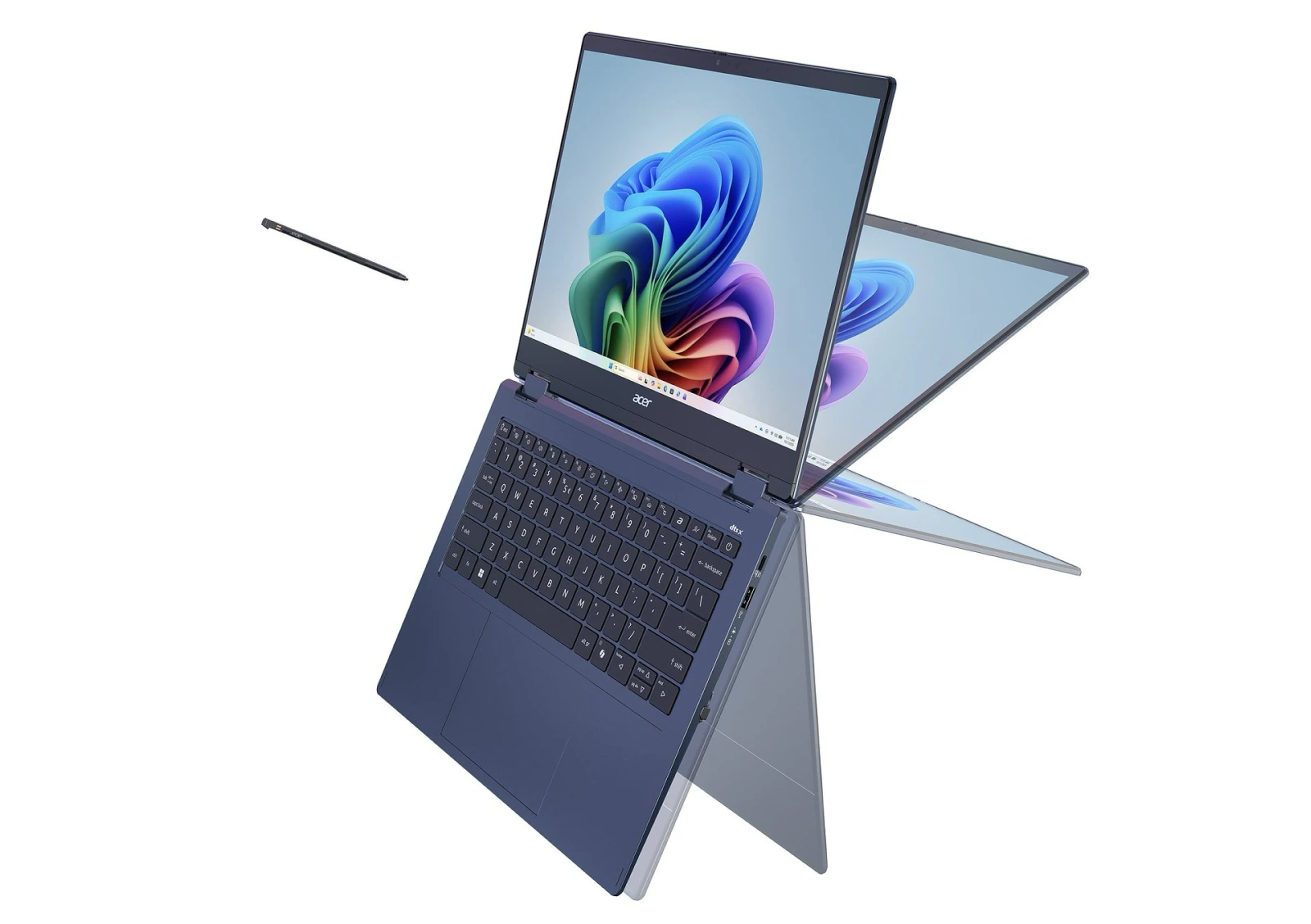
The laptop market is quietly reversing a trend it had only just moved past — the return of entry-level 8GB RAM configurations. The reason is simple: demand for AI-capable hardware has pushed memory prices and allocation priorities in a direction that leaves less room for everyday consumer laptops, forcing manufacturers back toward leaner memory specs that used to be standard a few years ago. Rather than wait for this shift to hurt the day-to-day experience, Microsoft is now working to make Windows 11 feel smooth even on these lighter-memory machines.
What Microsoft Is Actually Changing
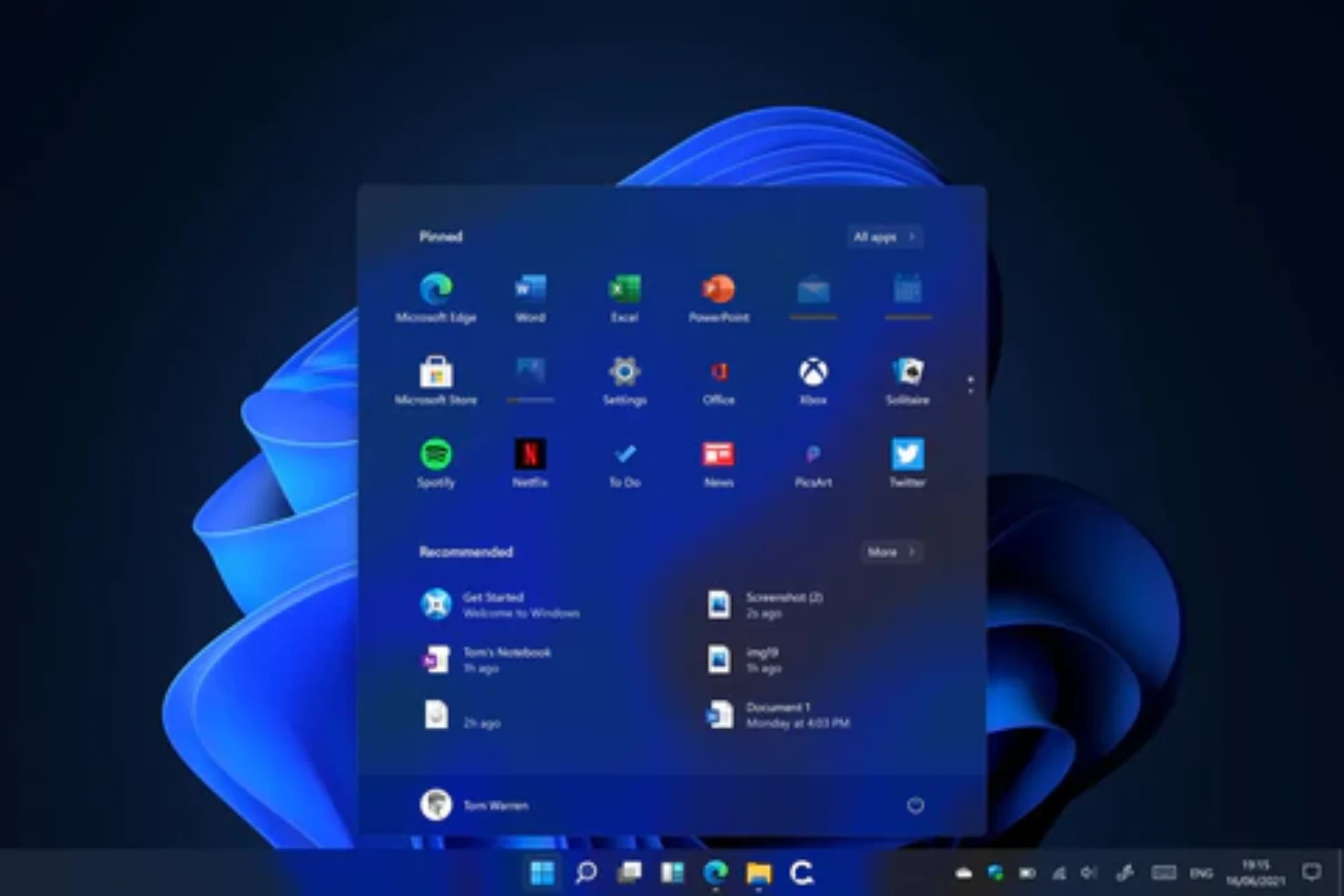
Pavan Davuluri, who leads the Windows and Devices team, confirmed that the company is deliberately targeting how much memory the operating system itself consumes. The goal is straightforward: keep Windows fast and responsive no matter how much RAM a given laptop has under the hood.
Some of the concrete engineering changes already underway include:
- a more efficient memory allocator, designed to cut overhead both for the OS and for apps running on top of it
- continued optimization of WinUI 3, so apps built on that framework use fewer resources
- performance improvements to Chromium and WebView2 components, which quietly power many parts of Windows and the apps built on it
Just How Bad Is It Right Now
To put the problem in perspective, it helps to look at the examples Microsoft itself has pointed to. Even on a well-equipped 32GB laptop, a handful of open Chrome tabs can eat up roughly 40% of total memory — before a single work app is even opened. On entry-level hardware, the picture gets considerably worse: testing on a Dell XPS 13 with 8GB of RAM showed the system using up to 70% of available memory before the user had opened a single window or program.
In other words, this isn’t a hypothetical problem for some future generation of hardware — it’s something owners of budget and even some mid-range laptops are already running into today.
Why This Is Happening Right Now
The memory shortage driving all of this isn’t a short-term blip. Current projections suggest it will persist at least through 2028, as chipmakers redirect manufacturing capacity toward the data centers and servers powering AI workloads. That’s putting sustained pressure on the price and availability of memory modules for consumer devices, which means 8GB laptops are likely here to stay for several product cycles rather than disappearing after a season or two.
A Pointed Response to the MacBook Neo
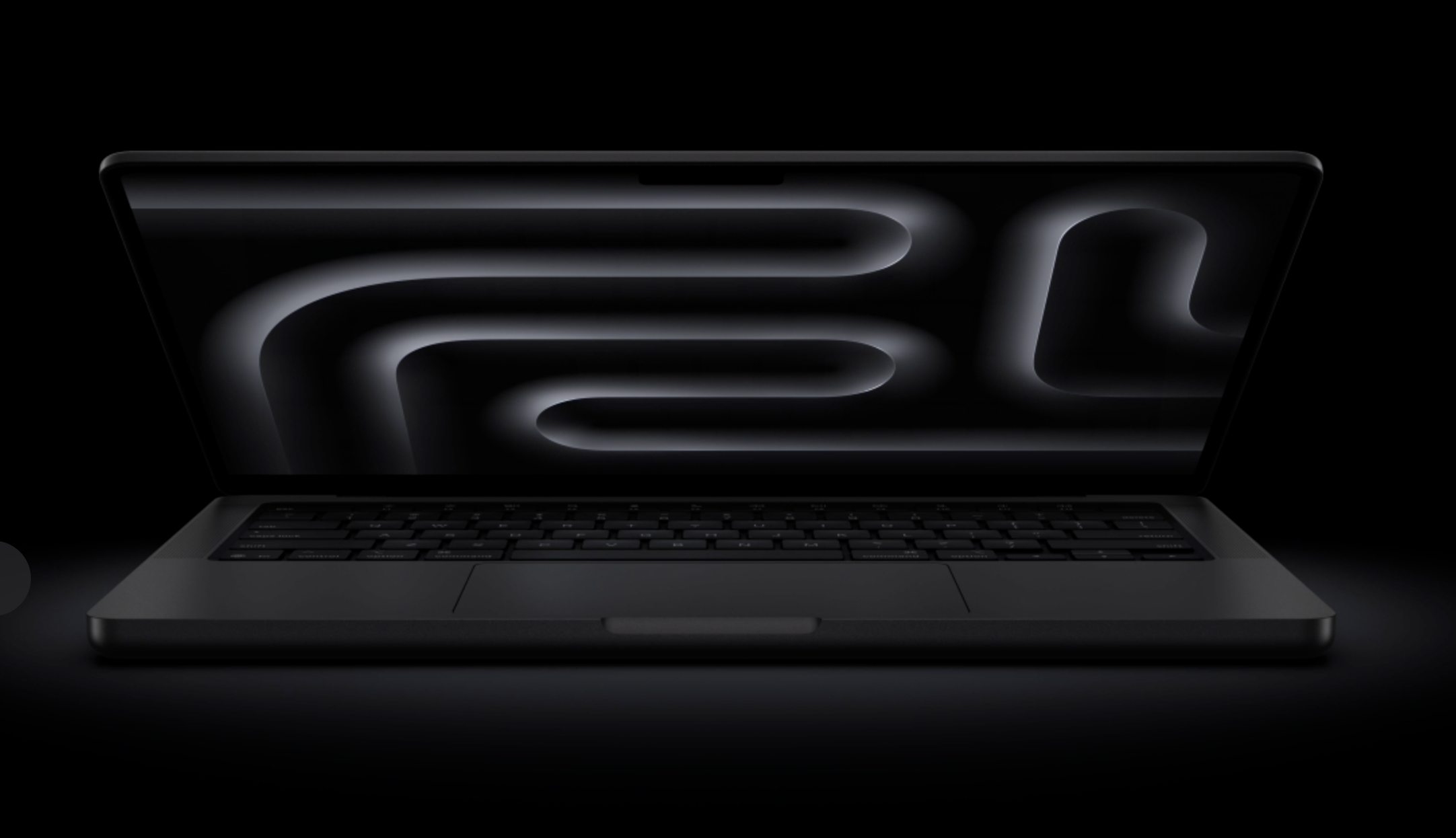
There’s also a clear competitive angle to this push. Right now, the MacBook Neo is widely considered one of the best options among 8GB laptops — Apple has long been able to squeeze strong performance out of a limited memory budget thanks to tight integration between its hardware and software. Windows laptops have generally struggled to match that efficiency, and Microsoft is clearly hoping that a leaner Windows 11 will let PC makers compete more effectively in the budget and mid-range segments, where the RAM number on the spec sheet often ends up being the deciding factor for buyers.
What This Means for Everyday Users
If these optimizations deliver on what Microsoft is promising, owners of 8GB laptops should notice fewer slowdowns during ordinary tasks — a browser with several tabs open, office apps, video calls. For laptop manufacturers, it’s also a green light: they can lean back into cheaper memory configurations with more confidence that it won’t immediately show up as a worse experience for buyers.
Більше новин в телеграмі