Global Release of Xiaomi Pad 8 and Pad 8 Pro: Powerful Tablets That Can Replace a Laptop
Xiaomi has officially launched the Xiaomi Pad 8 and Xiaomi Pad 8 Pro on the global market after first unveiling them at MWC 2026. Following their debut in China, the devices arrived in Europe virtually unchanged, which is important for users tracking international versions and Google services support. The company focused on flagship Snapdragon processors, a 144Hz display, and multitasking capabilities that increasingly resemble a laptop experience.
This time, Xiaomi did not split markets with different modifications: the global versions match the Chinese models in specifications. This means identical performance, the same 9200mAh battery, and support for Wi-Fi 7 and Bluetooth 5.4. Essentially, this is a full-fledged Android tablet with keyboard and stylus support, positioned by the company as an alternative to an ultrabook.
What Makes Xiaomi Pad 8 and Pad 8 Pro Stand Out
Both models feature 11.2-inch IPS displays with 2.5K resolution and a 144Hz refresh rate. The panel is designed not only for video streaming and gaming but also for document editing, browsing, and graphics work. The high refresh rate ensures smooth interface performance, especially noticeable in multitasking mode and when using a stylus.
The second shared feature is a 9200mAh battery with 67W fast charging support. For a tablet in this class, this means a full working day without needing a charger, even with active Wi-Fi 7 and high screen brightness. Combined with four speakers featuring Dolby Atmos, the tablets are suitable for both content consumption and video conferencing or online learning.
Shared specifications:
- 11.2-inch display, IPS, 2.5K, 144hz;
- 9200mah battery, 67w fast charging;
- four speakers with dolby atmos;
- wi-fi 7 and bluetooth 5.4 support;
- memory configurations starting from 8/128gb.
In this segment, Xiaomi effectively competes with other Android tablets and partly with entry-level laptops. With a similar screen size and weight, users get mobility and strong battery life without the complex cooling systems typical of traditional PCs. That is why the company openly talks about a “tablet instead of a laptop” scenario.
Processors: The Key Difference Between Pad 8 and Pad 8 Pro
The standard Xiaomi Pad 8 runs on the Qualcomm Snapdragon 8s Gen 4 platform. This is a powerful mobile chip used in upper mid-range flagship smartphones. It delivers enough performance for demanding games, short video editing, handling large PDF files, and running multiple Android windows without noticeable lag.
The Xiaomi Pad 8 Pro features the Snapdragon 8 Extreme Edition — the most powerful chipset in the company’s lineup at launch. It is a flagship processor with higher core frequencies and a graphics unit designed for maximum performance. In real-world use, this means stable high FPS in games, faster rendering, and improved performance in professional applications.
In essence, the difference between the models comes down to performance headroom. While the Snapdragon 8s Gen 4 is sufficient for multimedia and education, the Pro version is aimed at users who plan to work with heavy software or keep dozens of browser tabs open. The processor is the key factor that determines long-term device relevance.
Cameras and Work Capabilities
The Pad 8 Pro is equipped with a 50MP main camera, while the base model has a 13MP module. Tablet cameras are traditionally not the main focus, but they are sufficient for video calls, document scanning, or capturing an additional angle. In good lighting conditions, image quality is suitable for work-related tasks and online publishing.
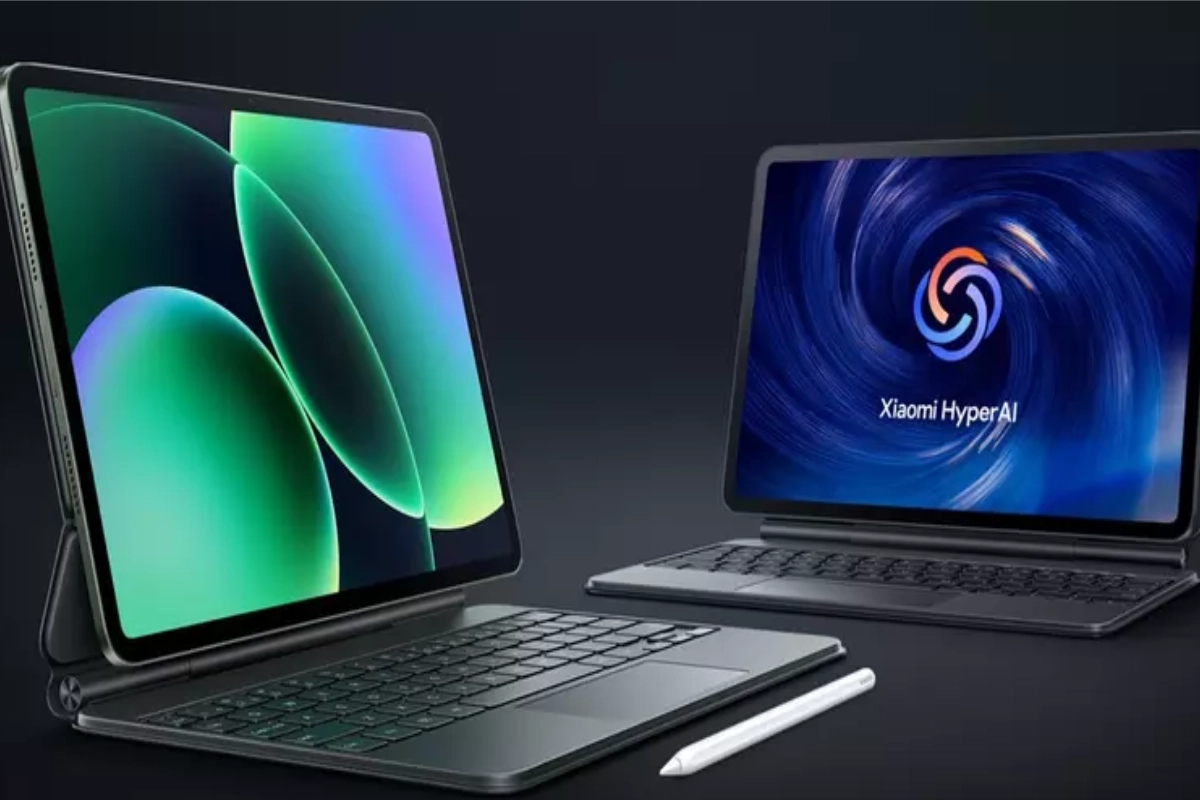
For productivity, Xiaomi implemented vertical split-screen support, an enhanced multi-window mode, and a browser with desktop-class features. The tablets are compatible with WPS Office, CAJViewer, and CAD applications, making them relevant for engineering students and professionals. Support for a magnetic keyboard and the Xiaomi Focus Pen Pro stylus completes the mobile productivity setup.
Together, these features create an ecosystem close to a laptop experience, but in a thinner and lighter form factor. The tablet can easily transform into a device for typing, document editing, or drawing. This is where Xiaomi positions the Pad 8 and Pad 8 Pro as versatile tools.
Xiaomi Pad 8 and Pad 8 Pro Pricing in Europe
In the European market, Xiaomi Pad 8 starts at €500. The Pad 8 Pro version is priced from €650 depending on memory configuration. In this price range, the tablets compete with advanced Android models and some lightweight laptops.
Considering the Snapdragon processors, 144Hz display, and 9200mAh battery, the pricing appears competitive. Especially when factoring in Wi-Fi 7 support and 67W fast charging, which are not yet standard across all devices in this segment. The final choice between Pad 8 and Pad 8 Pro depends on how critical maximum performance is for the user.
Conclusion: Can They Replace a Laptop?
Xiaomi Pad 8 and Pad 8 Pro show that a modern Android tablet can go beyond entertainment use. Thanks to flagship Snapdragon processors, multitasking modes, and support for professional software, these models approach the format of a working tool. When paired with a keyboard and stylus, they can handle most everyday tasks.
At the same time, they are not a full replacement for a powerful laptop intended for complex 3D rendering or specialized programming. However, for education, office work, content consumption, and mobile editing, the Pad 8 and Pad 8 Pro make a strong case. The main advantage lies in the balance between portability and performance.
More news on Telegram


More interesting articles
Більше новин в телеграмі