Key Differences Between Series 12 and Series 11
- A new continuous heart rate and HRV monitoring system, plus a Readiness feature
- A new S11 chip with improved Apple Intelligence
- Tougher Ceramic Shield 2 glass on aluminum models
- The return of the ceramic case
- Noticeably faster charging and longer battery life during workouts
- A refreshed band lineup and new watch face complications (heart rate, steps)
What stayed the same:
- The display (size, brightness, resolution)
- The stated everyday battery life (24 hours)
- Water resistance
- No Touch ID and no non-invasive glucose sensor
- The starting price
Just days ago, the Apple Watch Series 11 was still selling briskly, holding its own as the flagship of the lineup. Nothing suggested a changeover was imminent. And going into this year’s event, most of the tech world braced for a price hike — leaks about a new chip, a returning ceramic case, and reworked health sensors all pointed toward Apple finally charging more for its mainstream watch.
Instead, despite everything that changed under the hood and on the wrist, the Apple Watch Series 12 didn’t get more expensive. Pricing still starts at $399.
The upgrades themselves weren’t a mystery — rumors about a new processor and better sensors had been circulating for months. What caught people off guard was that Apple packed in this much new hardware without touching the price tag. That’s the real headline here.
Here are the five upgrades that actually separate Series 12 from Series 11.
1. A New Engine: The S11 Chip
The S10, which had carried the lineup for two generations, has been replaced by the S11. On paper, the architecture hasn’t fundamentally changed — still a dual-core CPU paired with a 4-core Neural Engine — so raw benchmark gains are modest. The real value of the S11 isn’t speed for speed’s sake; it’s what the extra headroom unlocks: on-device Apple Intelligence, Audio Intelligence, and a health-sensing pipeline that now runs continuously instead of in periodic bursts. The chip is the enabler, not the headline feature itself.
2. A Case Refresh, Top to Bottom
For the first time since Series 5, ceramic returns as a case option — a premium finish that had quietly disappeared from the lineup for years. Aluminum models pick up Ceramic Shield 2, which Apple claims is 60% tougher than the Ion-X glass used before. Titanium and ceramic models keep sapphire crystal. What’s notable is that this update touches the entire range, not just the top-tier finish — a rarer move for Apple, which usually reserves material upgrades for its priciest configurations.
3. A Genuine Leap in Health Sensing
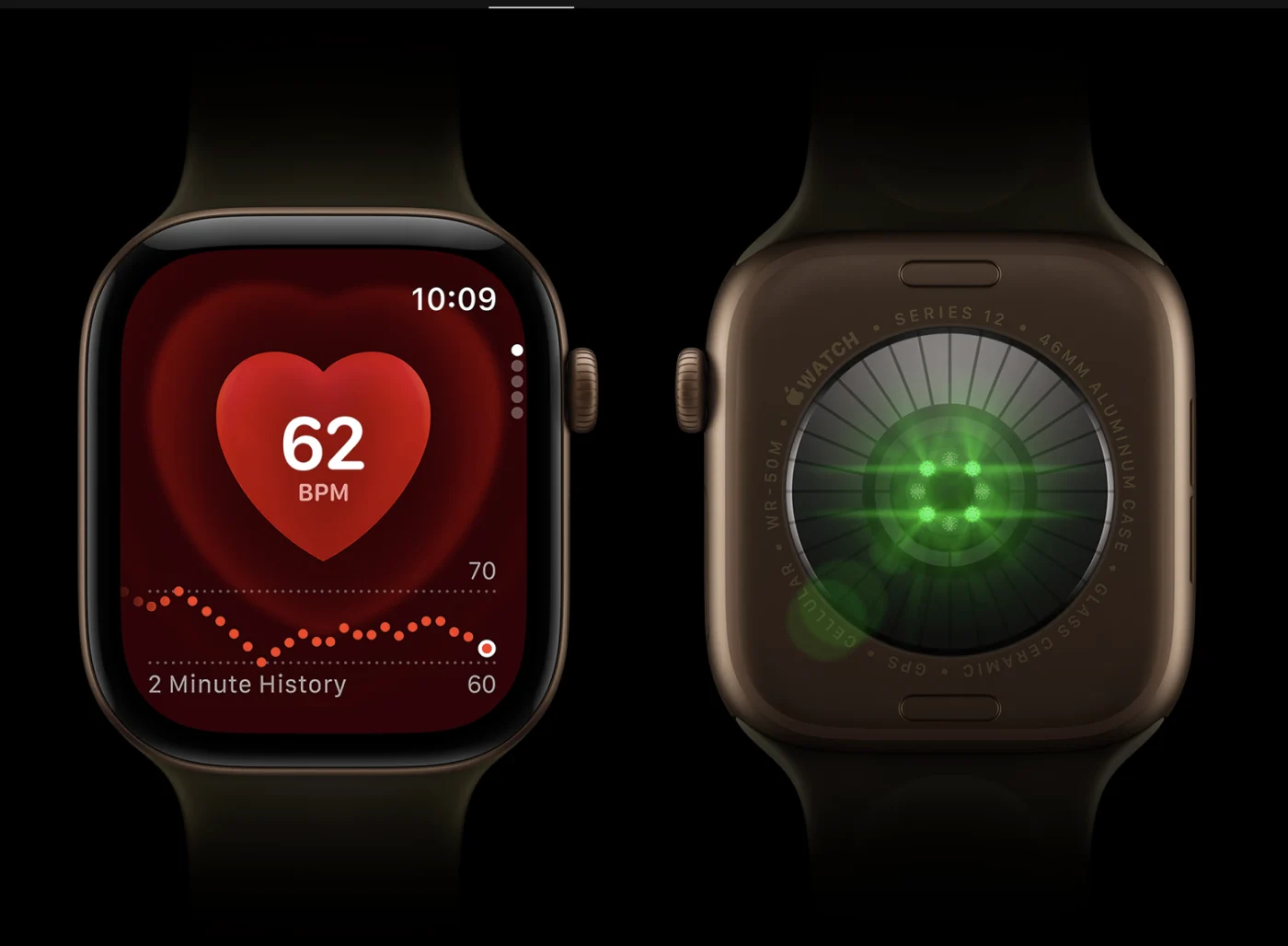
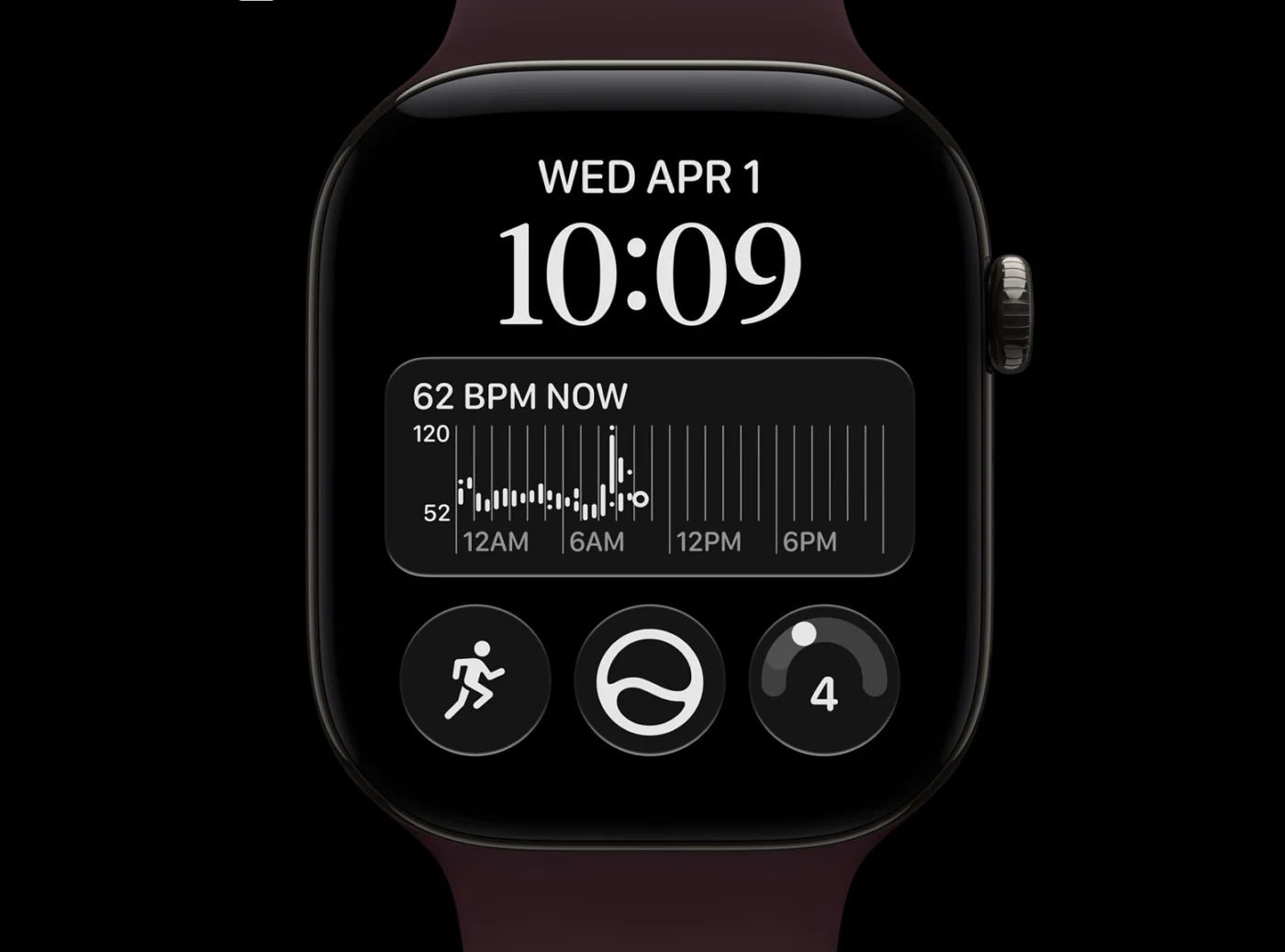
This is the change users will actually feel day to day. Series 11 sampled heart rate optically at intervals. Series 12 introduces an entirely new Health Sensing System that reads heart rate continuously, every five seconds, and measures HRV up to 24 times more often than before. That stream of data feeds a new Readiness score — a daily 0-to-10 rating built from sleep, training load, and recovery metrics. In practice, Apple has folded in functionality that used to require a third-party app like Whoop or Oura to get.
4. Smarter Software, Powered by the New Silicon
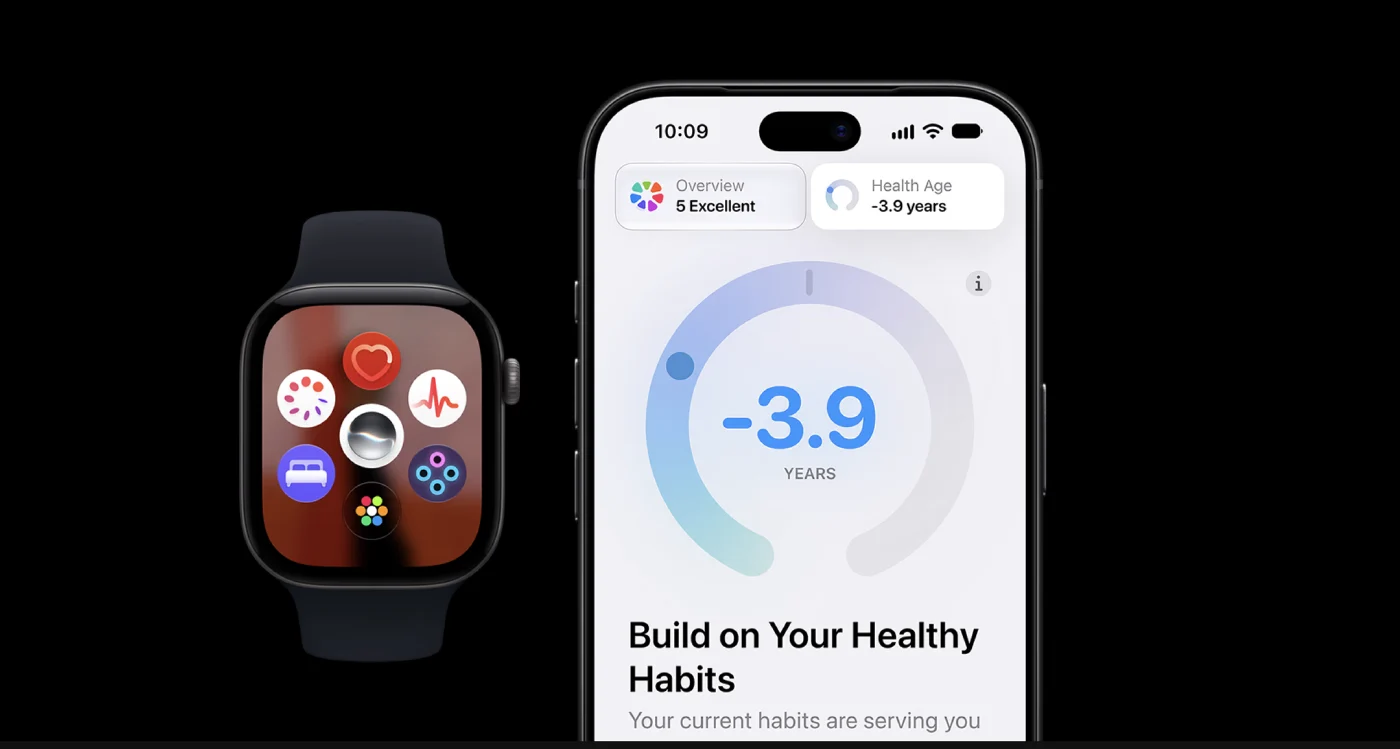
The S11 also brings a meaningful jump in on-device intelligence: sound recognition, Live Rewind for catching audio you just missed, Siri Recap for quick summaries, and a noticeably faster, more capable on-device Siri. These aren’t gimmicks bolted onto marketing slides — they lean directly on the new chip’s Neural Engine and represent the clearest software differentiation Apple has shipped on the watch in several generations.
5. Faster Charging, Longer Workouts
The everyday battery estimate hasn’t budged — still rated at 24 hours, despite persistent rumors of a larger cell. But the numbers around it have improved: outdoor workout battery life climbs from 8 to 10 hours, and fast charging is significantly better, delivering up to 12 hours of use from a 15-minute charge, up from 8 hours on Series 11. The tank itself is the same size — it just refills faster and stretches further during activity.
Full Spec Comparison
| Spec | Series 12 | Series 11 |
| Announced / on sale | Announced Sept 9, 2026; on sale Sept 18, 2026 | Fall 2025 |
| Chip | S11 (64-bit dual-core, 4-core Neural Engine) | S10 (64-bit dual-core, 4-core Neural Engine) |
| Storage | 64GB | 64GB |
| OS | watchOS 27 | watchOS 26 |
| Display | Always-On Retina, up to 2000 nits, 326 ppi, 1.77″/1.96″ | Always-On Retina, up to 2000 nits, 326 ppi, same sizes |
| Glass (aluminum) | Ceramic Shield 2 (60% tougher than Ion-X) | Ion-X |
| Glass (titanium/ceramic) | Sapphire crystal | Sapphire crystal (titanium only) |
| Case materials | Aluminum, titanium, ceramic | Aluminum, titanium |
| Heart rate sensing | Health Sensing System — continuous, every 5 seconds | Periodic optical readings |
| HRV | Up to 24x more frequent; Recovery HRV + overall HRV | Basic measurement |
| Readiness score | Yes, 0–10 scale | Not available |
| Hypertension / SpO2 / temperature | Yes | Yes |
| Apple Intelligence / Audio Intelligence | Yes (Sound Recognition, Live Rewind, Siri Recap) | Limited |
| Battery (everyday use) | Up to 24 hours | Up to 24 hours |
| Battery (Low Power Mode) | Up to 38 hours | Up to 38 hours |
| Battery (outdoor workout) | Up to 10 hours | Up to 8 hours |
| Fast charging (15 min) | Up to 12 hours of use | Up to 8 hours of use |
| Connectivity | 5G RedCap, Bluetooth 5.3 | 5G RedCap |
| Water resistance | WR50M, IP6X | WR50M, IP6X |
| Case dimensions | 42×37×9.7mm / 46×40×9.7mm | Same dimensions |
| Weight | 31.5–52.9g | Slightly lighter |
| Touch ID | No | No |
| Starting price (US) | $399 | $399 |
The Bottom Line
The surprise this year wasn’t the list of upgrades — most of them were telegraphed well in advance. It was that Apple managed to ship a new chip, bring back ceramic, overhaul the health-sensing stack, and add a genuine layer of on-device intelligence, all without raising the price. Some of these gains are immediately tangible — the health sensors and materials chief among them. Others, like the AI features, will take a bit longer to prove their staying power in daily use.
Більше новин в телеграмі