When you get disappointed with Samsung and Xiaomi turns out to be not quite what you need, you start looking for a new brand. The key requirement here is that it has to be Android. After going through every review available, you unexpectedly choose Motorola. Here are my three days with the Motorola Signature: what works, what doesn’t, and how its photos and videos hold up. Uitech Media Review
Technical Specifications
| Feature | Value |
|---|---|
| Display | AMOLED, 6.8″, LTPO, 165Hz, Always-on Display, peak brightness up to 6200 nits (real-world ~4500 nits in HDR) |
| Build & Dimensions | 162.1 x 76.4 x 7.0 mm, weight 186 g. Aluminum frame, fabric/linen back finish |
| Durability Rating | IP68/IP69, MIL-STD-810H. Corning Gorilla Glass Victus 2 |
| Colorways | Pantone Martini Olive, Pantone Carbon |
| Performance | Snapdragon 8 Gen 5, Adreno 829 GPU |
| Memory Options | 12/256 GB, 16/256 GB, 16/1024 GB (LPDDR5X + UFS 4.1) |
| Operating System | Android 16 (near-stock), 7 years of OS updates |
| Cameras | 50 MP (Main, Sony LYTIA 828) + 50 MP (Periscope, 3x optical zoom) + 50 MP (Ultrawide) + 50 MP (Front-facing) |
| Video Recording | up to 8K@30fps, 4K@60fps |
| Connectivity | 5G, Wi-Fi 7, Bluetooth 6.0, GPS/GLONASS/Galileo, NFC |
| Battery & Charging | 5200 mAh (silicon-carbon), 90W wired, 50W wireless, 10W reverse wireless |
| Price | from ~€1000 (12/256 GB) |
Build Quality and Display
Normally, minor design details like body color don’t bother me at all—as long as it’s not white. But this one feels truly special: the back panel is finished in a fabric texture that feels amazingly pleasant to hold. It’s almost a shame I had to put a case on it, simply because the device is so slim. By the way, a clear plastic case compatible with wireless charging is included in the box.
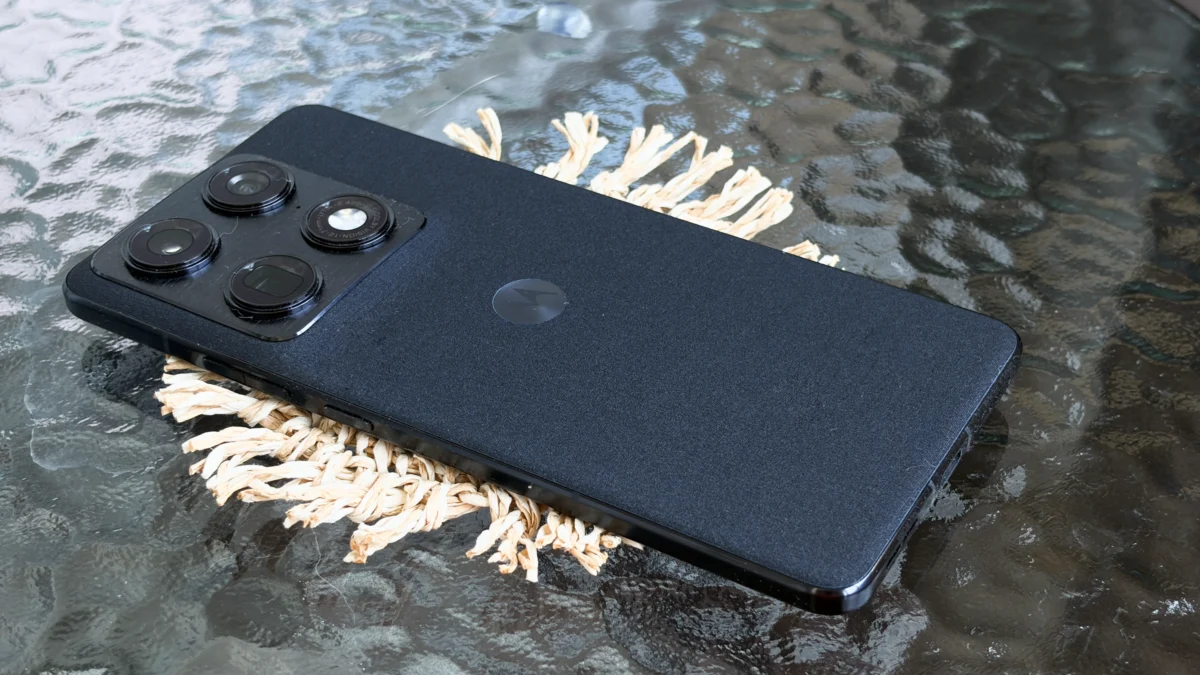
It is incredibly thin. Not that I was specifically looking for an ultra-slim phone, but this design won me over compared to the rest.
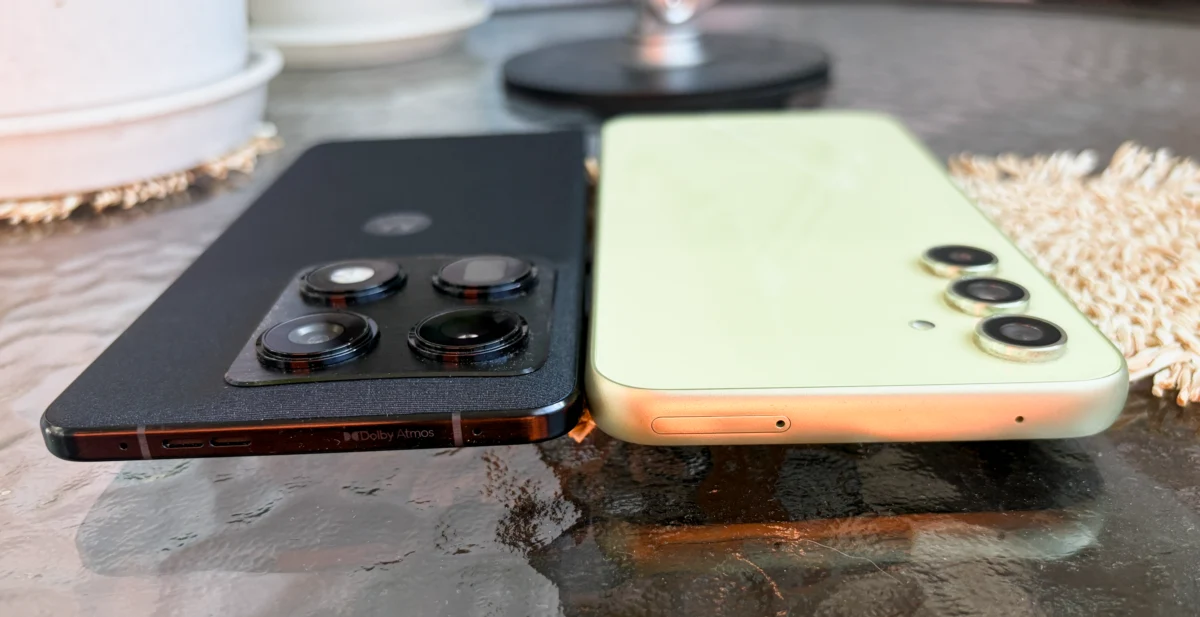
Another unexpected detail that pleasantly surprised me: the phone unboxing came with a subtle scent of high-end perfume. Just a nice little touch worth mentioning.
Now, as for why I picked it: I needed a large, vibrant display free of PWM flicker, featuring natural color calibration, smooth scrolling, and enough screen real estate to comfortably work directly on the device without needing a tablet. The Motorola Signature screen runs at a smooth 120Hz by default, reaching up to 165Hz during gaming. I don’t game much, but knowing the capability is there is reassuring.
It’s protected by Corning Gorilla Glass Victus 2, and I haven’t applied a screen protector yet. It looks fantastic. Plus, the slight curvature along the glass edges makes the bezels virtually disappear.
Under the Hood
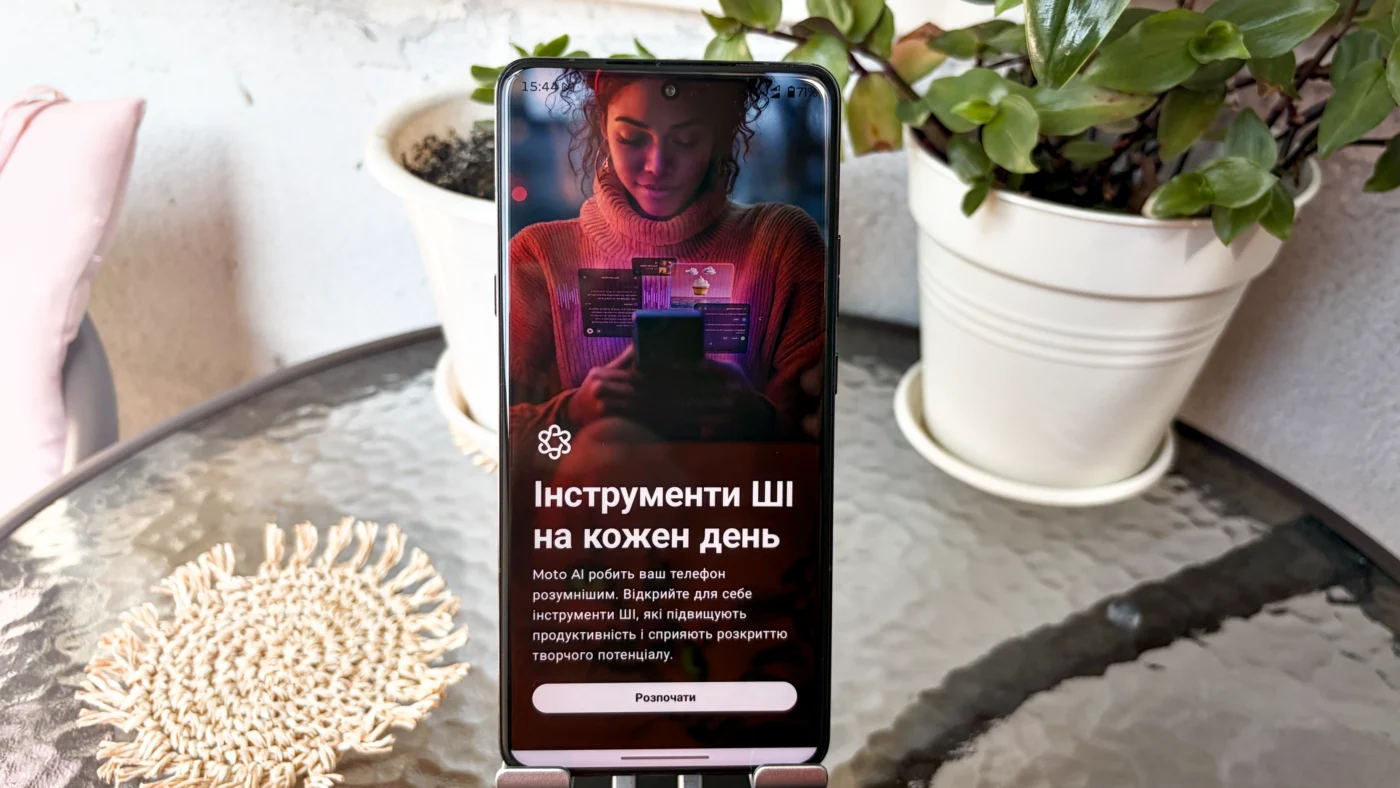
I have the 16/512 GB configuration—more than enough storage, while the ample RAM handles on-device AI tasks with ease. Speaking of AI, it comes with built-in smart features, though I’ll dive deeper into those another time. It currently supports English, but Ukrainian isn’t available yet.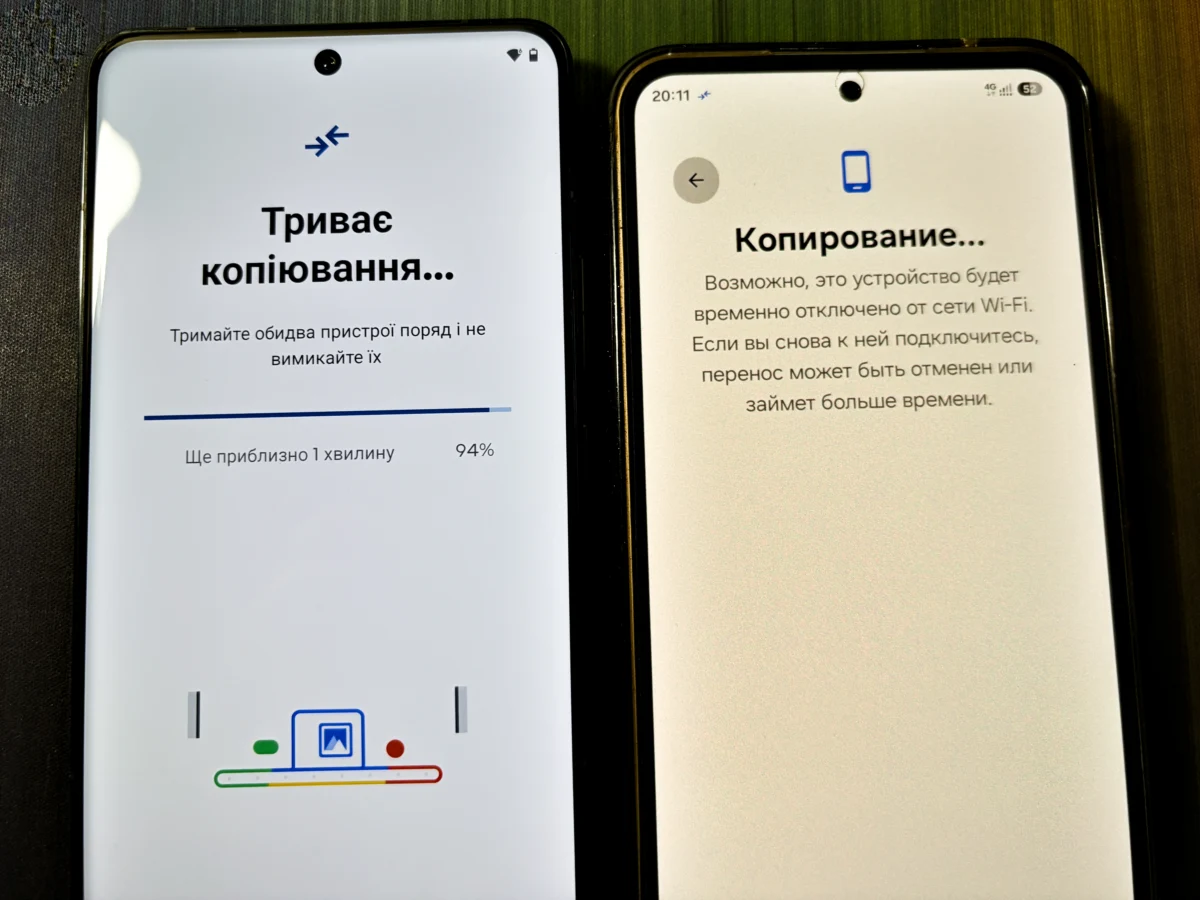
It runs on the Qualcomm Snapdragon 8 Gen 5 paired with the Adreno 829 GPU. Since it’s not the Elite variant, thermal management is well-handled without extreme overheating. Yes, it warms up slightly, but nothing concerning. It got noticeable warm only three times: during the initial system update, while setting up all my apps, and once during a 3-hour air raid shelter stretch. Light 2D games run effortlessly in 30-minute sessions without thermal issues.
Multitasking is snappy across the board: I routinely keep several Chrome tabs open alongside Phone, Viber, WhatsApp, Telegram, Camera, and Photos without a hitch.
Data migration was another highlight: Motorola Signature prompted me to select my previous device, paired seamlessly, and transferred everything in under half an hour without any hiccups. It even restored my original home screen wallpaper.
On the connectivity front, the phone features 1 physical SIM slot alongside eSIM support. This setup suits me perfectly, as you can store up to 8 eSIM profiles—an ideal feature for frequent travel or managing secondary business lines. 5G connectivity locks in quickly and maintains a stable signal, fully verified in real-world use.
Camera Performance
The camera setup is a standout feature—the Signature has already earned a top-10 spot in the DxOMark smartphone camera rankings. The primary 50 MP Sony LYTIA 828 sensor delivers crisp, detailed shots with excellent dynamic range and true-to-life color accuracy. The periscope telephoto lens offers crisp 3x optical zoom and extends up to 100x digitally. The ultrawide camera performs reliably, though slight corner softness can occasionally be noticed.
Video recording scales up to 8K at 30 fps, while 4K at 60 fps offers plenty of headroom for everything from family clips to social media content.
All three rear sensors sport 50 MP resolutions. I particularly appreciated the camera customizability, including a dedicated Portrait mode with customizable focal lengths: 24mm, 35mm, 50mm, and 85mm.
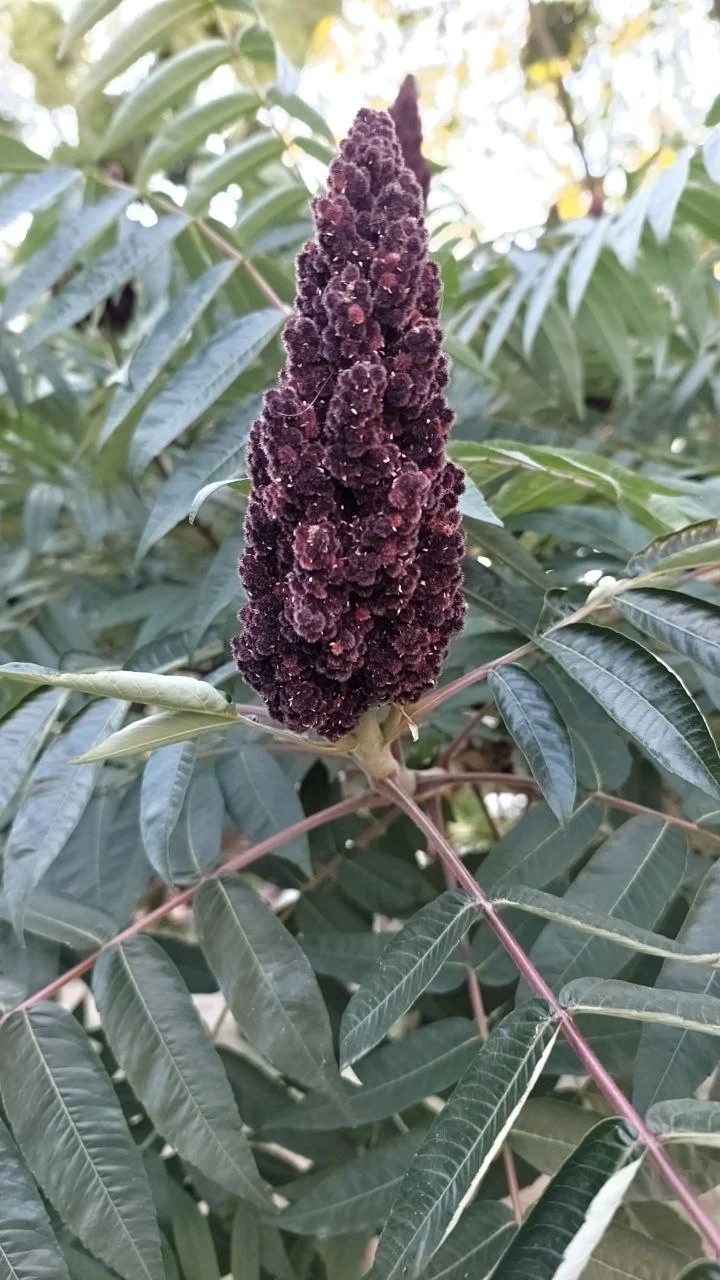
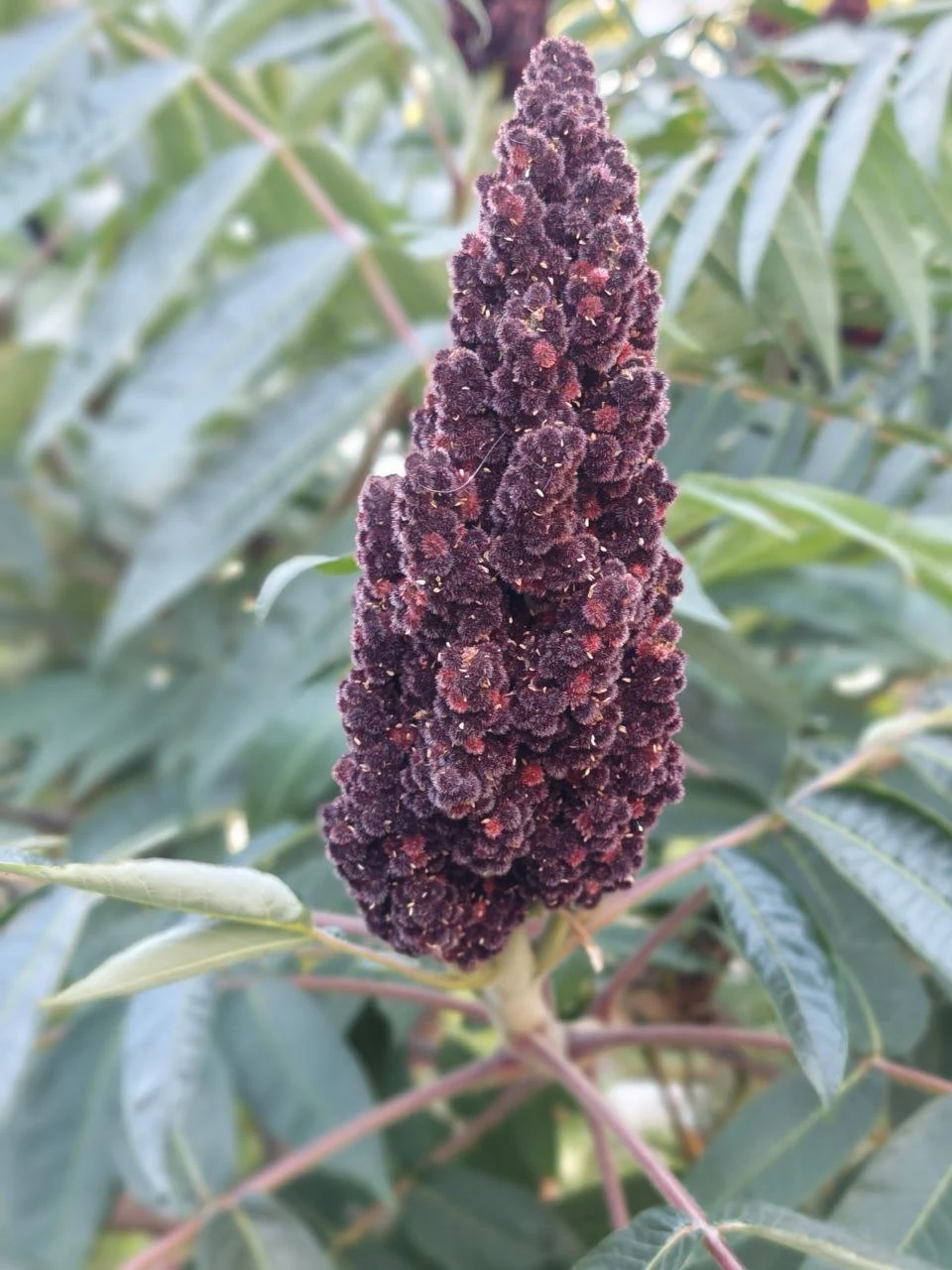



Standard shooting options range smoothly from 0.5x ultrawide up to 6x optical hybrid magnification.
Regarding 4K60 and 8K30 recording: when people ask who actually needs 8K video, I recall 2020 when 4K was dismissed as unnecessary because few screens could render it. Tech moves fast, and higher resolution primarily makes cropping footage in post-production much cleaner.
As for optical image stabilization, it does its job well. While it might not match the top flagship tier in this price range, it produces steady results with a stable hand.
Battery Life and Charging
The 5200 mAh silicon-carbon battery is slightly smaller than some competing flagships, so don’t expect record-breaking endurance. In my testing, it reliably lasted two full days. Taken off the charger at 8:00 AM, it still had 18% remaining by 8:00 PM the following day.
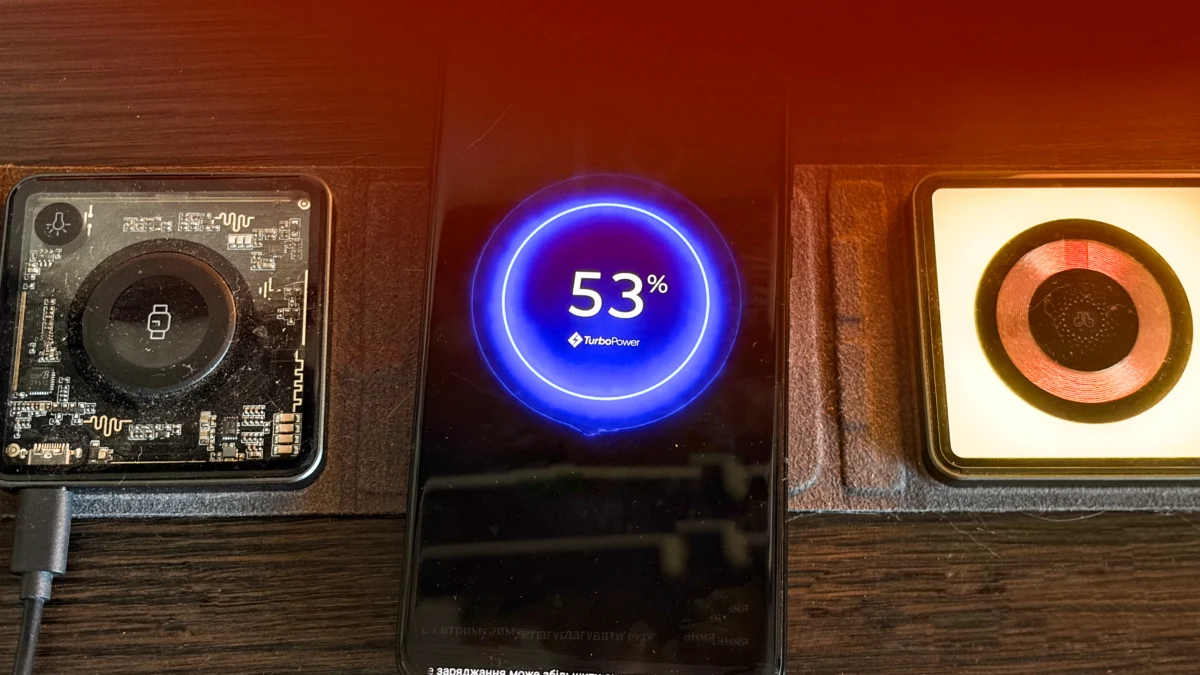
The 90W wired charging capability powers the phone up rapidly (a 90W brick isn’t included, so I used a 67W charger), while the 50W wireless charging ranks among the fastest on the market. There is also 10W reverse wireless charging available for topping up earbuds or smartwatches.
Pricing and Final Verdict
Starting at roughly $1000 for the 12/256 GB variant, the Motorola Signature places itself firmly in the premium segment. Motorola is clearly aiming to compete directly with flagship offerings from Samsung and Apple, both on paper and in daily performance.
Pros:
- DxOMark award-winning camera system, ranked in the global top 10.
- Premium design featuring an aluminum frame and tactile fabric finish.
- Slim and lightweight build (7.0 mm / 186 g).
- Rugged protection ratings: IP68/IP69 + MIL-STD-810H certification.
- Vibrant 165Hz LTPO AMOLED display with Always-on Display support.
- Video recording up to 8K@30fps.
- Fast charging capabilities: 90W wired and 50W wireless.
- Guaranteed 7 years of Android OS updates.
- Clean, near-stock Android software experience without bloatware.
- Effortless data transfer from other brands (tested transitioning from Samsung).
Current Cons:
Frequent system updates, likely due to the phone being a recent release. Occasionally, the optical fingerprint scanner icon fails to show up on the lock screen in the morning—it still unlocks, but the missing visual prompt is a minor annoyance.
The promised 7-year Android update commitment for this model is a significant plus. While I rarely hold onto a phone for that long, knowing the manufacturer is confident enough in the hardware to offer long-term support adds great value.
Більше новин в телеграмі