Smartphone for life or a gadget for ambitions: A large comparison of Samsung Galaxy S26 and Galaxy A56
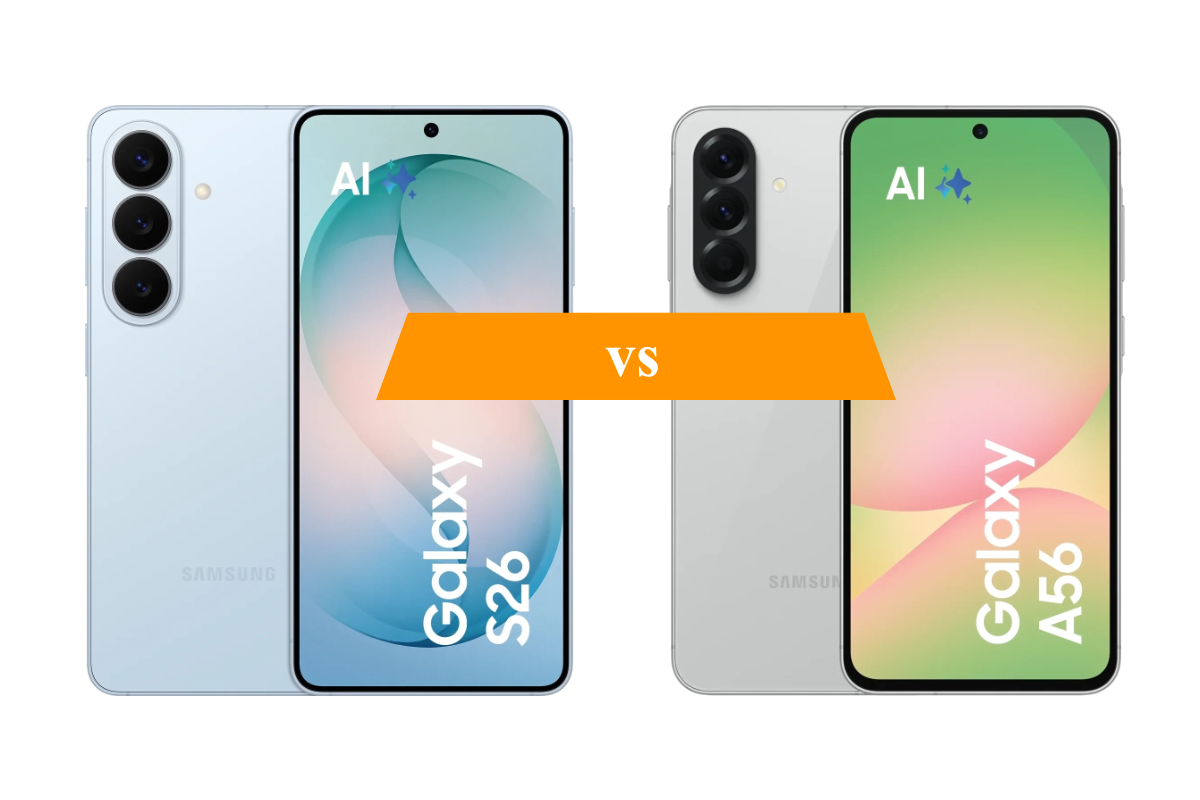
In 2026, choosing a smartphone has become similar to buying a car: you can take a premium sedan with an autopilot function, or you can take a reliable crossover that will simply take you to your destination. Samsung Galaxy S26 and Galaxy A56 look similar, like brothers, but behind this similar design there are two completely different philosophies. We have broken these devices down into details so that you can make a rational choice, without marketing noise.
First impression: ergonomics, materials and invisible speed
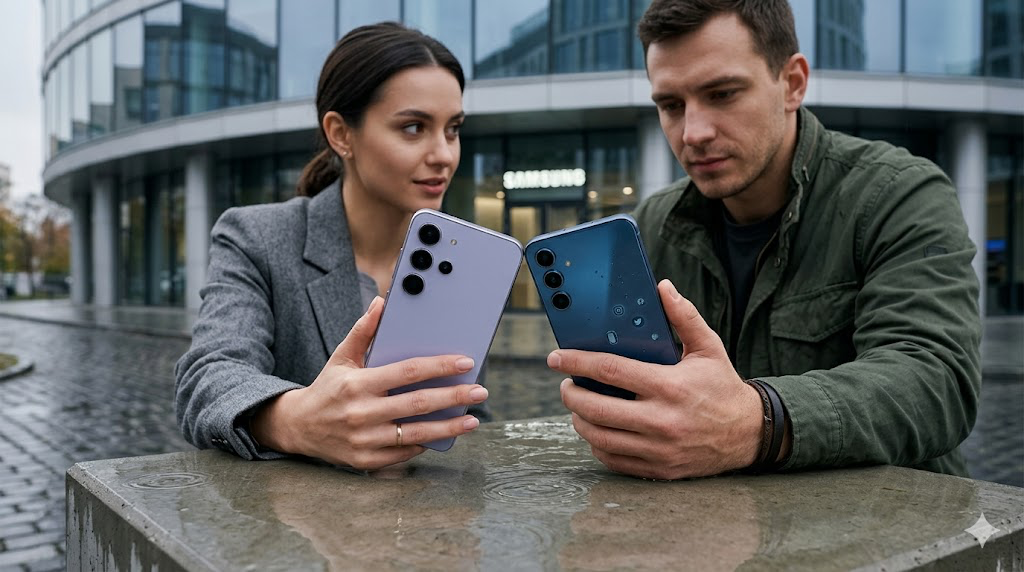
The first thing we do is take the phone in our hands. And it is here that the foundation of the difference between a flagship and a mid-range device is formed. This is not just a matter of aesthetics, but a matter of durability and everyday comfort.
1. Materials and feel
Galaxy S26 is a triumph of engineering refinement. The body is made of reinforced aluminum and the latest Gorilla Armor 2 glass. The main feature of this glass is that it has a special nanostructure that absorbs up to 75 percent of reflections. Even under direct sunlight or bright office lamps, you see the content, not your reflection. The smartphone feels monolithic, very thin and light, which allows you to control it with one hand without repositioning.
Galaxy A56 — here reinforced polycarbonate or tempered glass of a simpler generation is used. It is somewhat more massive and thicker due to the features of the internal layout. If S26 is an elegant accessory, then A56 is a durable working tool. Its body is wider, which is noticeable during prolonged holding. It does not have that anti-reflective effect, so in the sun the screen can turn into a mirror.
2. Display: smoothness that protects the eyes
Both screens have a 120 Hz refresh rate, but the technological difference between them determines comfort for your eyes. Galaxy S26 has a Dynamic LTPO AMOLED 2X matrix installed. Its main feature is dynamic refresh rate change from 1 to 120 Hz. When you look at a static photo or read text, the screen consumes a minimum of energy by lowering the refresh rate. As soon as you start scrolling the feed, it instantly becomes ultra-smooth. In addition, the peak brightness here reaches values that allow you to work comfortably even on a snowy sunny day in the mountains.
The Galaxy A56 display uses a classic Super AMOLED. It is also very high-quality and bright, but the refresh rate here is fixed or switches between two modes (60 and 120 Hz). This means that transitions between static and motion feel slightly rougher, and the load on the battery is always higher. Also, the minimum brightness is higher here, which may not be entirely comfortable when reading in complete darkness before sleep.
3. Interface response speed
It is in this section that the answer to the question is hidden: why does one smartphone cost more than another with the same number of megapixels? Galaxy S26 is equipped with LPDDR6 RAM and UFS 4.1 storage. Imagine that this is a modern high-speed highway. When you tap on the icon of a heavy app, data is read instantly. A56 uses LPDDR5X and UFS 3.1 standards. These are still fast components, but compared to the flagship they work like a city street versus an autobahn. The difference in fractions of a second in each action during the day adds up to a feeling of overall responsiveness or a barely noticeable delay of the device.
| Characteristic | Samsung Galaxy S26 | Samsung Galaxy A56 |
|---|---|---|
| Body materials | Reinforced aluminum and Gorilla Armor 2 glass | Reinforced plastic or Gorilla Glass |
| Anti-reflective coating | Yes (absorbs up to 75% of reflections) | No (standard glossy glass) |
| Display matrix type | Dynamic LTPO AMOLED 2X (1-120 Hz) | Super AMOLED (60/120 Hz) |
| Memory standard (RAM/ROM) | LPDDR6 / UFS 4.1 | LPDDR5X / UFS 3.1 |
| Ergonomics | Ultra-thin, one-hand control | Massive, reliable grip |
Performance and load scenarios: peak power versus rational stability
If the appearance of smartphones can be compared with the design of a car body, then the processor is its engine. This is where the answer is hidden to the question whether your phone will fly in two or three years or will begin to get tired from regular application updates. In 2026, the gap between the flagship and the mid-range segment has become even more noticeable due to the transition to new process technologies.
Heart of the flagship: Exynos 2600 and neural networks
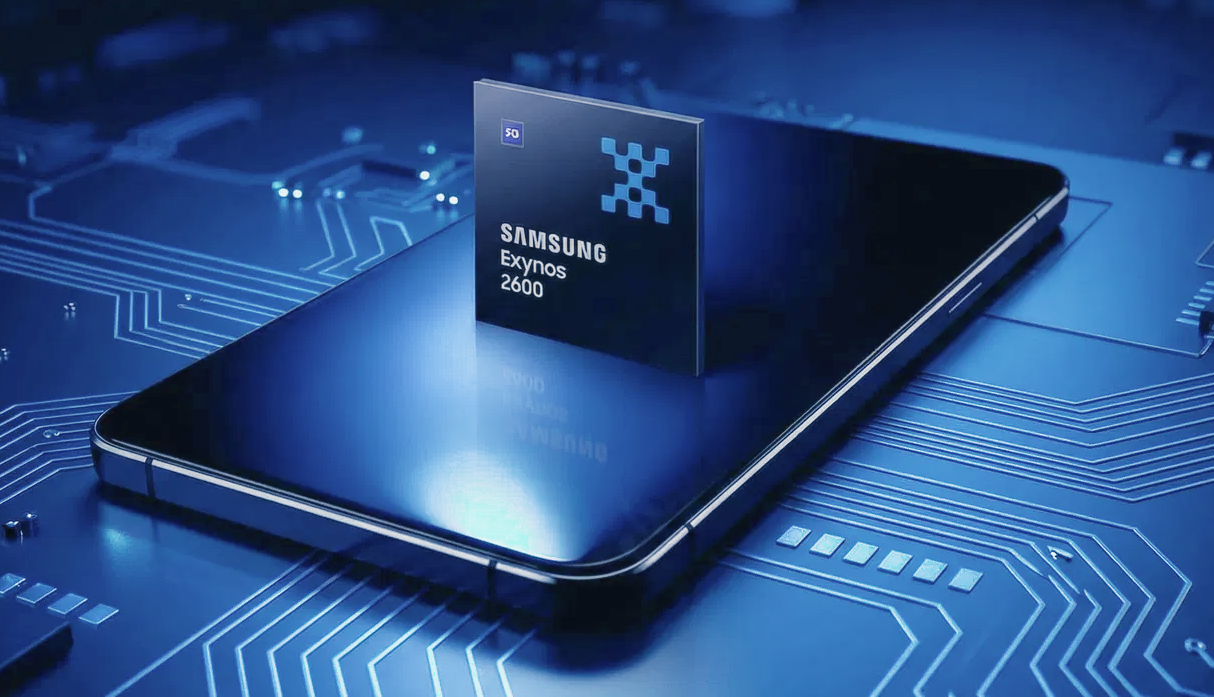
In Galaxy S26 for the Ukrainian market, the most technological chip of the year is installed — Samsung Exynos 2600, built on an advanced 2-nanometer process technology. This means that on the same area, significantly more transistors are placed, which gives a massive increase in power with lower energy consumption. Its architecture is based on a super-powerful Cortex-X5 core operating at a frequency of 3.5 GHz. It is assisted by three performance cores (2.8 GHz) and four energy-efficient cores (2.0 GHz).
The new Xclipse graphics based on the AMD Radeon architecture made it possible to increase performance in games by 30 percent compared to last year. In synthetic AnTuTu tests, this processor confidently scores over 2,800,000 points. The main difference here is in working with data: the flagship chip has a dedicated neural block (NPU) capable of performing complex artificial intelligence tasks locally, without accessing cloud servers. This ensures an instant system response without any delay.
Workhorse: Exynos 1580 in Galaxy A56
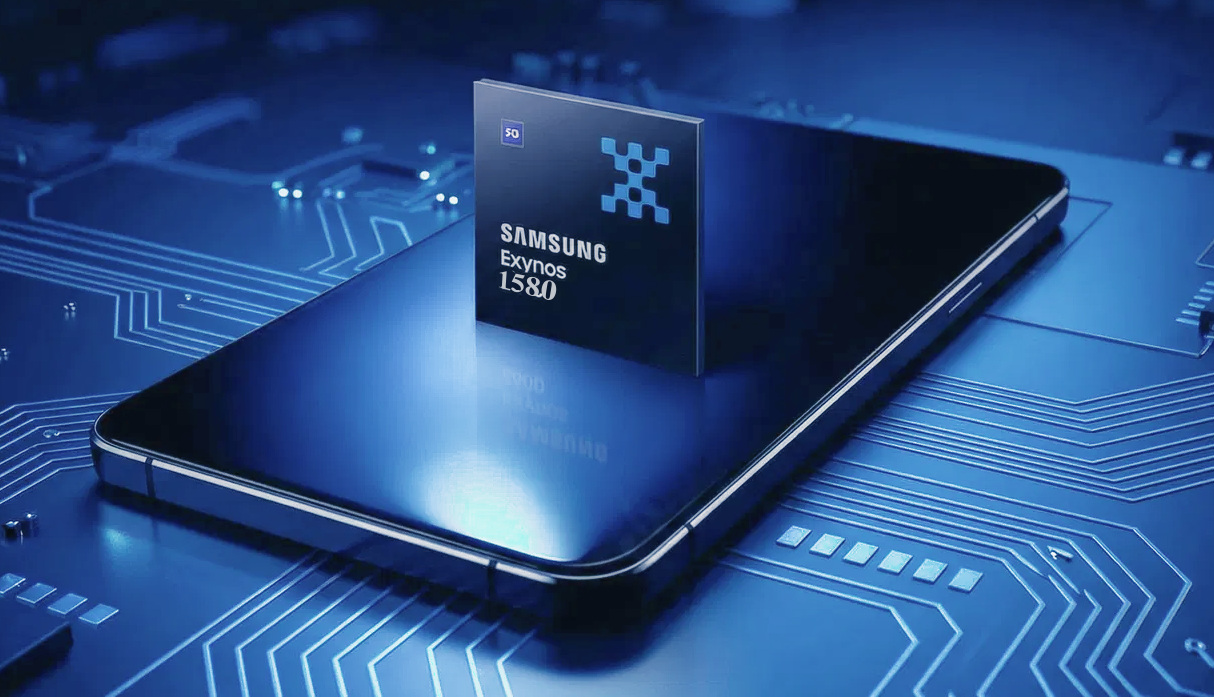
Galaxy A56 uses a mid-range processor manufactured using a proven 4-nanometer technology. Its eight-core architecture is balanced for stable everyday work: one powerful Cortex-A720 core operates at a frequency of 2.9 GHz, three performance cores deliver 2.6 GHz, and four energy-efficient cores operate at a frequency of 1.95 GHz. In tests, such a chip scores around 1,100,000 points.
These indicators are quite enough for smooth interface operation at 120 Hz, however, the difference becomes noticeable in heavy scenarios. Where S26 will pass the distance easily, the Exynos 1580 architecture after 15–20 minutes of peak load may begin to reduce frequencies to cool the device. You pay for the power that you actually use in everyday life, without buying an aircraft engine for trips to the store.
Daily services: Telegram, Instagram, browsing
These are applications that most of us open dozens of times a day. Here the difference is minimal, but it exists. Galaxy A56 allows these programs to work stably, you will not notice delays when scrolling the feed. In Galaxy S26, thanks to the 3.5 GHz frequency and LPDDR6 memory, these apps open a fraction of a second faster. The main advantage of the flagship appears on heavy web pages in Chrome: where A56 may pause for a moment when loading complex scripts, S26 handles them instantly.
Social tools and AI: CapCut, Canva, ChatGPT
In Galaxy A56, working in CapCut with 1080p video will be comfortable, but applying complex AI filters will take 5–10 seconds. In Galaxy S26, a powerful NPU comes into play. Removing objects from photos or generating text in local models happens almost instantly. Thanks to UFS 4.1 memory, banking applications with biometrics open immediately after touching the scanner.
Specialized software and games: LumaFusion, RAW photos
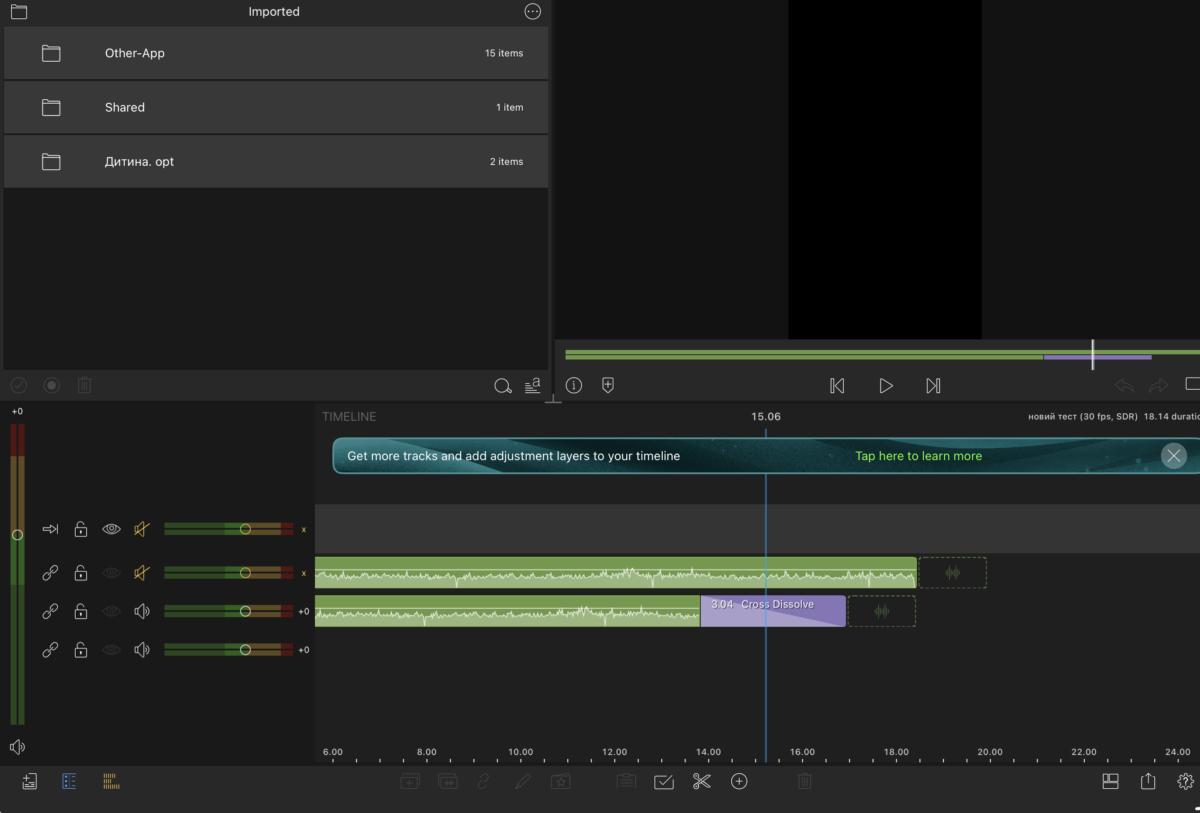
This is the zone of complete dominance of the flagship. In Galaxy S26, you can edit multiple video streams in LumaFusion without frame drops. The cooling system allows maintaining high performance in games at maximum settings for hours. Galaxy A56 in such tasks will begin to heat up noticeably after 10 minutes, and video export will take 2–3 times longer.
| Performance parameter | Samsung Galaxy S26 (Ukraine) | Samsung Galaxy A56 |
|---|---|---|
| Processor (Process technology) | Exynos 2600 (2-nanometer) | Exynos 1580 (4-nanometer) |
| Clock frequency (max) | 3.5 GHz (Cortex-X5) | 2.9 GHz (Cortex-A720) |
| Graphics chip | Samsung Xclipse (AMD Radeon) | Samsung Xclipse 540 |
| RAM | LPDDR6 (up to 10.5 Gbps) | LPDDR5X (up to 8.5 Gbps) |
| AnTuTu tests | Over 2,800,000 points | Around 1,100,000 points |
| Multitasking | Keeps 20+ apps without reloading | Aggressively closes background processes |
Cameras and processing magic: Optical zoom versus digital crop
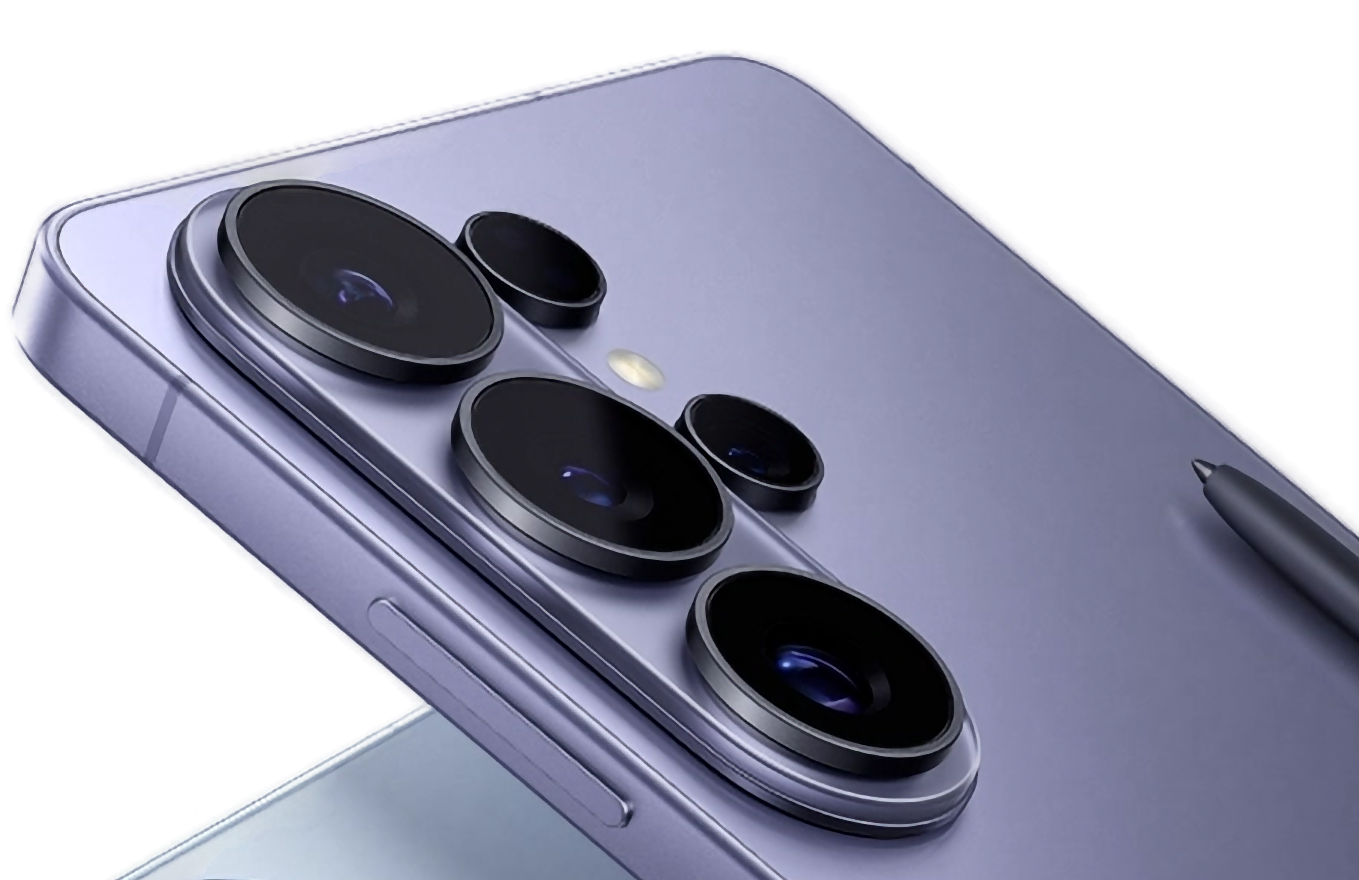
In 2026, the quality of mobile photography is determined not only by the number of megapixels, but first of all by the physical size of sensors, the quality of optics, and the computational power of processors for image processing (ISP). When we take photos during the day in ideal lighting, both smartphones produce a professional result. However, the real tests begin at dusk, when shooting video in motion, or when trying to zoom in on a distant object.
1. Main module: detail and light sensitivity
Galaxy S26 is equipped with a 50-megapixel sensor of a new generation with a Dual Pixel AF system. The main advantage here is the physical size of the pixel. A larger sensor allows capturing 30 percent more light compared to the mid-range segment. Thanks to the Exynos 2600 architecture, frame processing happens instantly: the smartphone takes a series of shots with different exposures and merges them into a final photo before you even remove your finger from the shutter button.
Galaxy A56 also has a 50-megapixel main camera, but the sensor here is of a standard size. On a sunny day, you will get clear and bright shots with Samsung’s characteristic color rendering. However, in the evening, the system has to use more aggressive noise reduction algorithms, which may lead to a slight loss of detail in the shadows.
2. Optical zoom versus digital zoom
This is exactly the section where the difference between the S and A series becomes a gap. Galaxy S26 is equipped with a full-fledged telephoto lens with 3x optical zoom. The lenses inside the module physically move to zoom in on the object without any loss of quality. You get a sharp portrait photo or architectural details with correct proportions.
Galaxy A56 does not have a separate telephoto lens. Any zoom here is a digital crop of the central part of the main image. Even at 2x zoom, you will notice the appearance of digital noise and a “watercolor” effect on small details. If it is important for you to shoot concerts, sports events, or architecture, the flagship is out of competition.
3. Video recording and intelligent stabilization
Thanks to the powerful neural block (NPU) of the flagship, Galaxy S26 supports video recording in 8K 30fps or 4K 60fps with HDR enabled on all modules simultaneously. The Dual OIS system works in tandem with an intelligent motion prediction algorithm, making the image as smooth as if the smartphone were mounted on a professional stabilizer.
Galaxy A56 supports high-quality 4K 30fps recording. Stabilization is also present here, but it is mainly electronic. When walking, you may notice a characteristic slight shaking at the edges of the frame, since the Exynos 1580 processor does not have enough time to process each frame as deeply in real time.
4. Artificial intelligence in photography
Galaxy S26 implements Object Eraser 2.0 technology. Thanks to Exynos 2600, you can instantly remove a passerby from the background or reconstruct part of the frame that is missing. RAW file processing occurs without delays. In A56, these functions are available through cloud services or with noticeable pauses (10–15 seconds per photo), since the main load falls on the central processor rather than on a dedicated neural module.
| Camera characteristic | Samsung Galaxy S26 | Samsung Galaxy A56 |
|---|---|---|
| Main module | 50 MP (Larger sensor, Dual Pixel AF) | 50 MP (Standard sensor) |
| Optical zoom | 3x optical zoom (Telephoto lens) | Absent (Digital crop only) |
| Video (Maximum quality) | 8K 30fps / 4K 60fps (all cameras) | 4K 30fps (main camera) |
| AI processing (NPU) | Instant, locally on the device | Basic processing with pauses |
| Video stabilization | Dual OIS + Intelligent stabilization | OIS + Electronic stabilization |
| Front camera | 12 MP with autofocus | 32 MP (fixed focus) |
Samsung DeX and connectivity capabilities: Smartphone as a full-fledged workstation
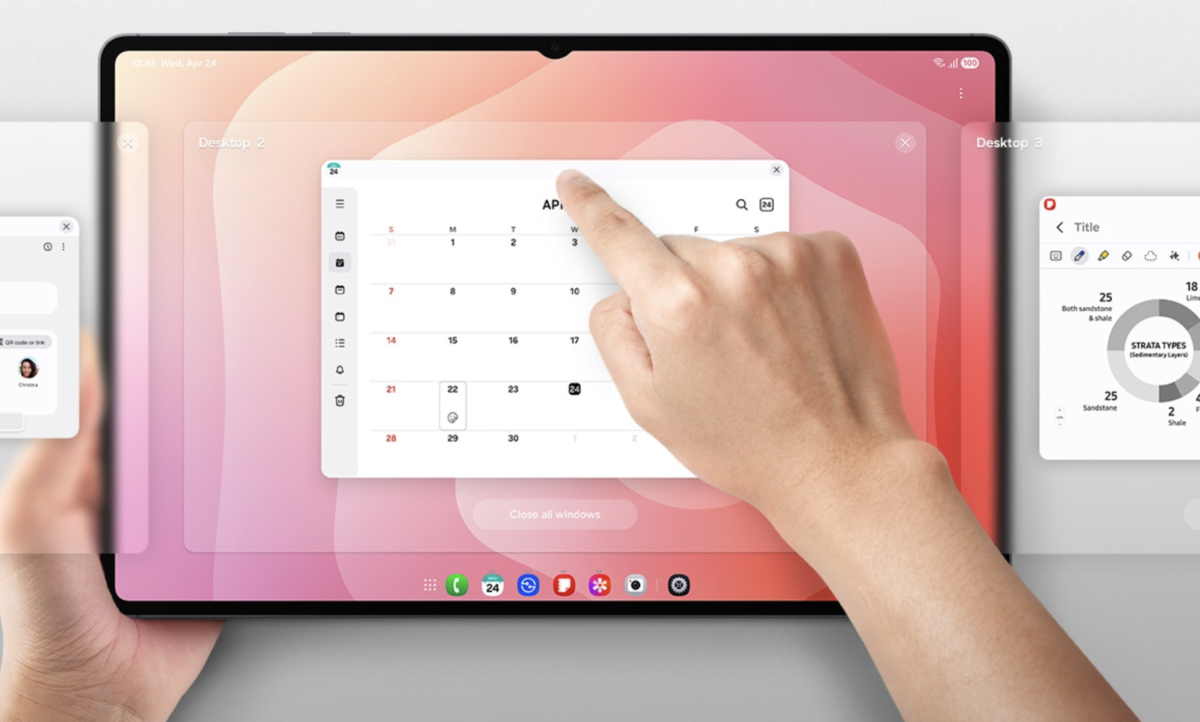
For many users in 2026, a phone has stopped being just a screen for consuming content. The ability to turn a mobile device into a computer is the line that finally separates the S and A series. It is precisely in the ports, data transfer standards, and software features that the technical gap between these models lies, which is often ignored when purchasing.
Professional tool: Samsung DeX in Galaxy S26
The flagship Galaxy S26 supports a full Samsung DeX mode. Thanks to the massive power of the Exynos 2600 processor, where the main core operates at a record frequency of 3.5 GHz, the device is capable of fully replacing a laptop in most office and creative tasks. You can connect the smartphone to a monitor or TV using a single cable or wirelessly and get a full desktop interface.
The system allows opening more than 10 application windows simultaneously: from complex Excel tables to professional photo editors and messengers. Thanks to the latest LPDDR6 RAM, switching between these windows happens instantly, without reloading pages or losing data. This is an ideal solution for those who work on the go or want to have a single device for entertainment and business.
Hardware base: USB 3.2 versus USB 2.0
The hardware part of the charging port plays a key role in the functionality of DeX. Galaxy S26 is equipped with a high-speed USB 3.2 port. It supports DisplayPort technology, which allows outputting a high-definition video signal to external displays. In addition, the data transfer speed via cable reaches 10 Gbps. This means that a video archive of 50 GB will be copied to an external drive in a matter of minutes.
In Galaxy A56, the situation is completely different. Despite the modern appearance of the Type-C connector, it implements the outdated USB 2.0 standard. Its maximum bandwidth is limited to 480 Mbps. The main disadvantage is that this port is physically incapable of transmitting a video signal. Therefore, Samsung DeX mode in the A-series model is completely absent. Any attempt to connect it to a monitor via cable will not produce a result. You are limited only to the phone’s screen itself or simple screen mirroring, which has significant delays and low clarity.
Wireless standards and ecosystem
Galaxy S26 supports the latest Wi-Fi 7 standard, which ensures stable operation of wireless DeX even when transferring heavy content. Galaxy A56 uses Wi-Fi 6E — this is an excellent standard for internet use, but when trying to stream the desktop to a TV, you may notice a slight delay of the mouse cursor. Also, the flagship supports ultra-wideband (UWB) communication for precise device tracking and digital keys, which is not available in the mid-range segment.
| Connectivity feature | Samsung Galaxy S26 (Ukraine) | Samsung Galaxy A56 |
|---|---|---|
| Samsung DeX mode | Available (Wired and Wireless) | Not available |
| USB port standard | USB 3.2 (up to 10 Gbps) | USB 2.0 (up to 480 Mbps) |
| Video output via cable | Supported (DisplayPort) | Not supported |
| Wi-Fi standard | Wi-Fi 7 (maximum speed) | Wi-Fi 6E (standard speed) |
| Work with large files | Instant transfer via cable | Slow transfer (USB 2.0) |
| Multitasking on monitor | Full desktop (up to 10+ windows) | Only screen mirroring |
Battery life and energy: Capacity versus intelligent technologies
When comparing battery life, we encounter an interesting paradox: a cheaper model often lasts longer than a flagship. In 2026, the difference in battery life between Galaxy S26 and Galaxy A56 is determined not simply by numbers in milliampere-hours, but by the balance between the physical battery size and the energy consumption of high-performance components.
Battery capacity and real endurance
Galaxy A56 is equipped with a powerful 5000 mAh battery. Due to the fact that its Exynos 1580 processor with 2.9 GHz cores has less aggressive peak frequencies, this smartphone confidently holds a charge for 1.5–2 days under normal mixed use. This is an ideal choice for active social media users who do not want to depend on a power outlet during the day.
Galaxy S26 has a more compact 4300 mAh battery. This was a deliberate decision by engineers to make the body as thin and ergonomic as possible. However, behind the smaller capacity are advanced energy-saving technologies. Thanks to the 2-nanometer process of Exynos 2600 and the LTPO display, which can reduce the refresh rate to 1 Hz in standby mode, the smartphone demonstrates the same operating time in reading or video viewing mode as the A-series model. However, it should be taken into account: when using peak power (gaming at ultra settings or recording 8K video), the flagship’s charge decreases faster due to the enormous power consumption of the graphics core.
Charging speed and methods: Where is the saving hidden?
Here the situation looks unexpected for many buyers. Galaxy A56 supports faster wired charging with a power of 45 W. When using the original adapter, you can charge the device from 0 to 50 percent in just 20–25 minutes. This is a rational solution for the mass segment, where the speed of energy recovery via cable is the number one priority.
Galaxy S26 officially supports wired charging with a power of 25 W, which provides 50 percent charge in 30 minutes. The main focus in the flagship is on convenience and versatility: the device supports fast wireless charging with a power of 15 W and a unique reverse charging function (Wireless PowerShare). You can simply place your Galaxy Buds or smartwatch on the back panel of the smartphone to recharge them on the go — a function that is completely absent in Galaxy A56.
| Power parameter | Samsung Galaxy S26 (Ukraine) | Samsung Galaxy A56 |
|---|---|---|
| Battery capacity | 4300 mAh (priority on thin body) | 5000 mAh (priority on long operation) |
| Process technology (energy efficiency) | 2-nanometer (highest level) | 4-nanometer (standard level) |
| Wired charging | 25 W (up to 50% in 30 min) | 45 W (up to 50% in 20–25 min) |
| Wireless charging | Supported (15 W) | Not supported |
| Reverse charging (PowerShare) | Supported (charges other devices) | Not supported |
| Operating time (mixed) | About 24–30 hours | Up to 36–48 hours |
Conclusion: Rational choice versus technological leadership
The choice between Samsung Galaxy S26 and Galaxy A56 in 2026 is a choice between today’s comfort and a technological reserve for the future. Both smartphones are leaders in their classes, but they are created for different life scenarios.
Choose Samsung Galaxy S26 if you create content, use your smartphone as a mobile office via DeX, value reference-level interface smoothness and 3x optical zoom. This is an investment in a device that will remain relevant for 5–7 years thanks to the power of Exynos 2600 and LPDDR6 memory.
Choose Samsung Galaxy A56 if you are looking for a reliable gadget for everyday tasks, value long battery life and fast 45 W charging. This is the most balanced smartphone for its price, which will ensure stable operation in all popular services without overpaying for excessive flagship features.
Multitasking: how many apps really stay alive in your smartphone’s memory?
In 2026, the concept of multitasking has gone beyond simply switching between a messenger and a browser. Today, it is the ability of a smartphone to keep “heavy” web pages, banking apps with an active session, and professional data processing tools running in the background without reloading them. This is where the real difference between the architecture of a flagship and a mid-range device becomes evident.
Memory revolution: LPDDR6 vs LPDDR5X
The Galaxy S26 is equipped with the latest LPDDR6 RAM. Its main advantage is not only its massive speed (up to 10.5 Gbps), but also intelligent power management of individual memory blocks. This allows the smartphone to keep more than 20 active apps in the background for many hours. You can open a complex analytical table in the morning, switch to calls, the camera, and games, and in the evening return to the table exactly where you left off. The system does not “kill” the process to free up space for other tasks.
The Galaxy A56 uses LPDDR5X memory. This is fast and modern memory that ensures an instant interface response. However, the resource management algorithms here are more aggressive. If you open too many heavy tabs in the browser or a resource-intensive game, the operating system will begin to close older background processes. This means that when you return to a previously opened app, you may see a loading logo and lose unsaved data in a messenger or browser.
Response speed and “cold” start
Thanks to the combination of the Exynos 2600 processor with a frequency of up to 3.5 GHz and an ultra-fast UFS 4.1 storage, the Galaxy S26 opens heavy apps 40–50 percent faster than the mid-range class. This creates a feeling of complete absence of interface resistance. In the Galaxy A56, which is equipped with UFS 3.1 storage, launching the same programs is accompanied by a barely noticeable pause. In everyday use, when you open your phone hundreds of times a day, these fractions of a second add up to a noticeable difference in comfort.
Intelligent acceleration (AI predictiveness)
The flagship Galaxy S26 uses its powerful neural processing unit (NPU) to analyze your habits. The system predicts which app you will open next and preloads its data into RAM in advance. The Galaxy A56 also has similar features, but they operate at a basic level, focusing mainly on limiting background activity to save battery power rather than maximizing performance speed.
| Usage scenario | Result on Galaxy S26 (Ukraine) | Result on Galaxy A56 |
|---|---|---|
| Switching between 10+ apps | Instant, without reloads | Possible reload of heavy apps |
| RAM standard | LPDDR6 (ultra-fast) | LPDDR5X (standard fast) |
| Storage type (ROM) | UFS 4.1 (read up to 4.5 GB/s) | UFS 3.1 (read up to 2.1 GB/s) |
| Game/editor launch speed | Instant start | Short pause (2–4 seconds) |
| Split-screen performance | Reference-level smoothness (Exynos 2600) | Stable operation, possible micro-freezes |
Future connectivity: Wi-Fi 7, 5G optimization, and network energy efficiency
In 2026, a smartphone has ceased to be just a tool for calls. It is a hub that simultaneously maintains connections with dozens of smart home devices, streams high-definition video, and provides instant access to cloud storage. The Samsung Galaxy S26 and Galaxy A56 offer different levels of network freedom based on the capabilities of their modems and antenna systems.
Speed revolution: Wi-Fi 7 in the Galaxy S26
The flagship Galaxy S26 is equipped with a module supporting the latest Wi-Fi 7 (802.11be) standard. The main advantage here is not just the theoretical speed of up to 40 Gbps, but the MLO (Multi-Link Operation) technology. It allows the smartphone to connect simultaneously to two bands (for example, 5 GHz and 6 GHz). This eliminates latency (ping) in cloud gaming and ensures a stable connection even if one of the frequencies is overloaded.
Thanks to the Exynos 2600 processor and its energy-efficient modem, operation in Wi-Fi 7 networks consumes 20 percent less battery than previous generations. This is critical for those who work in wireless DeX mode or stream 8K content to a TV.
Reliable classic: Wi-Fi 6E in the Galaxy A56
The Galaxy A56 uses the Wi-Fi 6E standard. This is an extremely stable and fast protocol that provides access to the free 6 GHz band. For most home tasks — from watching 4K videos to Zoom calls — this standard is more than sufficient. However, it does not support simultaneous operation across two bands as effectively as Wi-Fi 7. If your home has dozens of smart devices, you may notice micro-delays under peak network load.
Mobile connectivity and 5G: operation in extreme conditions
Both smartphones are fully adapted to modern networks, but their antenna architecture differs. The Galaxy S26 has a 4×4 MIMO system across all supported frequencies and improved antenna isolation. This allows the flagship to hold onto a weak signal in basements or outside the city where the Galaxy A56 may already switch to network search mode.
It is also worth noting the support for UWB (Ultra-Wideband) technology in the Galaxy S26. It allows the smartphone to be used as a highly precise digital car key or to locate lost Galaxy SmartTag trackers with centimeter-level accuracy. The Galaxy A56 lacks this technology, which limits its use in modern security ecosystems and smart transport.
| Connectivity standard | Samsung Galaxy S26 (Ukraine) | Samsung Galaxy A56 |
|---|---|---|
| Wi-Fi standard | Wi-Fi 7 (Multi-Link Operation) | Wi-Fi 6E (Single Link) |
| Maximum speed | Up to 40 Gbps (theoretical) | Up to 9.6 Gbps (theoretical) |
| UWB support (digital keys) | Yes (high positioning accuracy) | Not available |
| Bluetooth | Version 5.4 (LE Audio, Auracast) | Version 5.3 |
| Modem energy efficiency | Very high (2 nm architecture) | High (4 nm architecture) |
| Stability in weak signal areas | Reference-level (improved antenna system) | Good (standard antenna system) |
Security and lifecycle: how many years will your smartphone remain “new”?
Buying a smartphone in 2026 is not only about hardware, but also about support. Samsung has radically changed the rules of the game by offering unprecedented software update periods. However, the experience of using the system after 5 years on a flagship and a mid-range device will differ significantly due to hardware limitations.
Samsung Knox and data protection
Both devices are protected by the Samsung Knox platform, which is integrated at the chip level. However, the Galaxy S26 has an additional layer — Knox Vault. This is a physically isolated storage (a separate secure processor and memory) where your passwords, biometric data, and encryption keys are stored. Even if the main Exynos 2600 processor is compromised, your confidential data will remain inaccessible.
The Galaxy A56 implements software and hardware Knox protection, which is sufficient for everyday tasks, payments via Google Pay, and secure storage of photos. However, it does not have the level of isolation of critical data that the S series offers for the corporate sector and government security standards.
7 years of updates: reality or marketing?
Samsung officially supports both smartphones with Android updates and security patches for 7 years. This means that both the Galaxy S26 and Galaxy A56 will receive Android 23 in 2033. However, there is an important nuance: artificial intelligence features and heavy graphical interfaces of the future will require enormous resources. Thanks to the 2-nanometer process and LPDDR6 memory, the Galaxy S26 will run smoothly even after 5 years. The Galaxy A56, due to its 4-nanometer chip and slower memory, may begin to show interface slowdowns after 3–4 major system updates.
What should you choose?
Summing up our large comparison, we see that Samsung has created two clearly positioned products. The gap between them in 2026 has become deeper than ever before.
Choose the Samsung Galaxy S26 if:
- You work professionally with content: 3x optical zoom, 8K video recording, and instant photo processing via NPU are critical for you.
- You plan to use your smartphone as a computer via Samsung DeX and a high-speed USB 3.2 port.
- You need maximum visual comfort thanks to an LTPO display with an anti-reflective coating.
- You are buying a device with a performance reserve for 5 or more years.
Choose the Samsung Galaxy A56 if:
- You are a rational user who needs reliable connectivity, stable social media, and a quality display without overpaying for “extra” gigahertz.
- Battery life is your priority: a 5000 mAh battery and fast 45W charging make it more durable in daily use.
- You do not do professional video editing and do not play the most demanding games at maximum settings.
- You are looking for the best balance between price and features in 2026.
| Selection criteria | Samsung Galaxy S26 | Samsung Galaxy A56 |
|---|---|---|
| Target user | Professionals and enthusiasts | Mass user |
| Main advantage | Exynos 2600 performance and DeX | 5000 mAh battery and price |
| Relevance lifespan | 5–7 years (without performance loss) | 3–4 years (comfortable use) |
| Photo/video quality | Reference-level (3x optical zoom) | High (digital zoom) |
| Data transfer speed | Ultra-fast (USB 3.2, Wi-Fi 7) | Standard (USB 2.0, Wi-Fi 6E) |
In the end, the Galaxy S26 is an investment in technological leadership, while the Galaxy A56 is a smart compromise that covers 95 percent of the needs of a modern user. The choice is yours.
More news on Telegram


More interesting articles
More interesting articles
Більше новин в телеграмі