Every year, the advice around buying an iPhone is basically the same: hold off, the new model is coming, don’t buy right before an announcement. This year is different — and if you’ve been following the news about memory chip shortages, phone prices, and component costs, you already know why.
Why This Year Breaks the Usual Rule
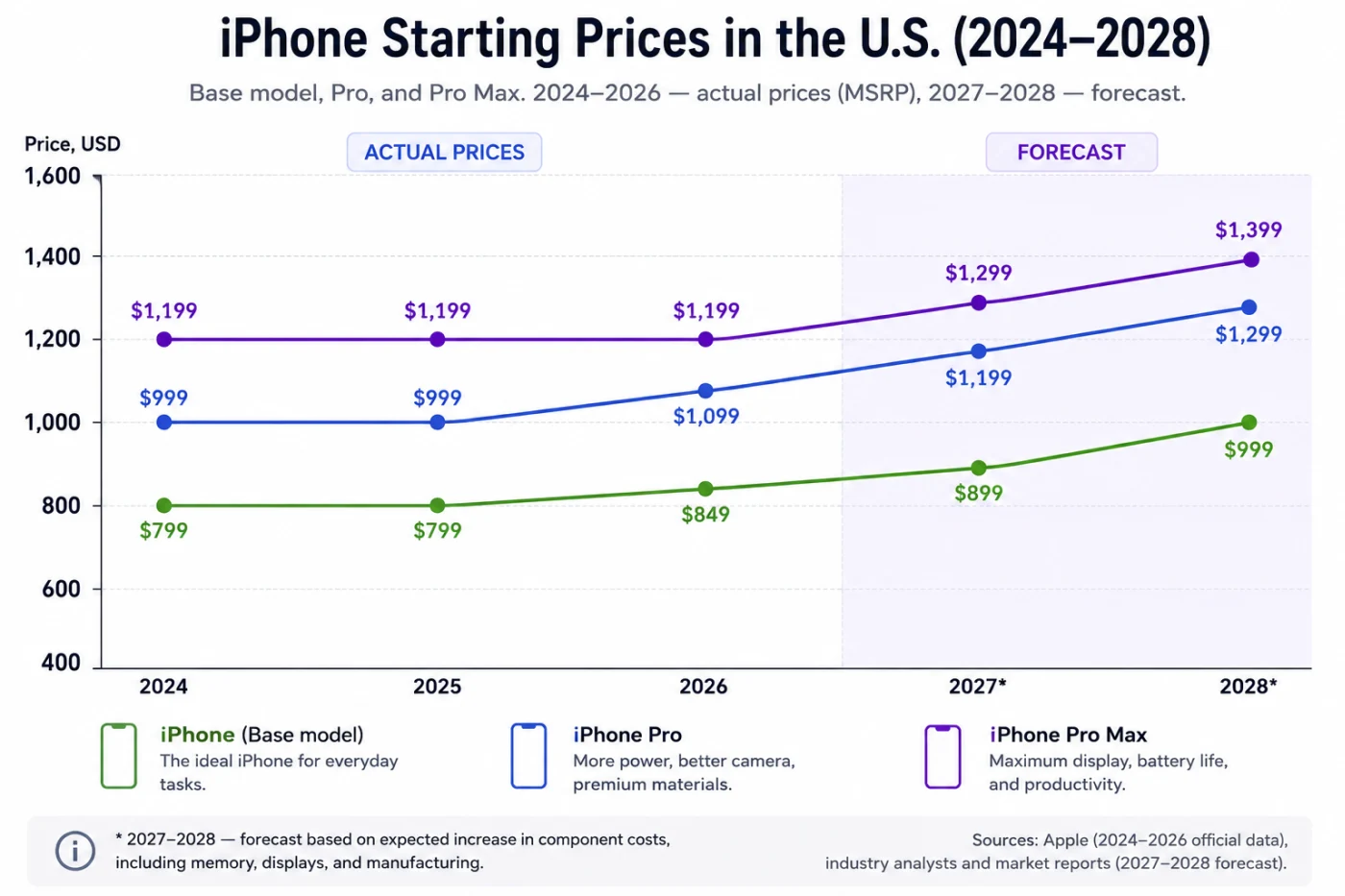
Normally, waiting makes sense because prices on the current lineup tend to drop once a new model launches. But right now, the industry is dealing with something that has nothing to do with Apple’s usual release cycle: a global shortage of memory chips that’s expected to keep prices elevated for years, not months. Every phone maker sources the same components, so this isn’t an Apple-only problem — it’s hitting the entire market at once.
That changes the math. In a normal year, waiting costs you nothing but patience. This year, waiting could mean paying more for the exact same phone, or paying a premium for a new model that launches into a more expensive supply chain than it would have a year ago.
The Case for Buying Now
If you need a phone in the next few months, there’s a real argument for buying before prices climb further rather than after. Current-generation stock is priced under today’s conditions. Once a new model ships and the next wave of cost increases works its way through the supply chain, that pricing advantage disappears — and it may not come back with the usual post-launch discounts, since older stock could get pulled or repriced instead of marked down.
The Case for Waiting (and Why It’s Weaker Than Usual)
The traditional argument for waiting is that you’ll either get a better phone for the same money, or the same phone for less. That still applies in theory. But the “less money” part is far less certain than in a typical year — if component costs keep rising, next year’s model could simply launch more expensive, full stop, with no discount window on the outgoing generation to offset it.
If you don’t need a phone urgently and you specifically want the newest hardware regardless of price, waiting still makes sense — that hasn’t changed. But if price is a real factor in your decision, this is the one year where “just wait for the new one” isn’t automatically the safer bet.
Bottom Line
If budget matters and you need a phone soon, buying now — ahead of the next round of price increases — is the more reasonable move this year. This is one of the rare years where the usual “wait for the next launch” advice doesn’t hold up as well as it normally does.
iPhone 17 Series Compared: Which One Should You Actually Buy?
Apple’s current lineup covers a lot of ground — from the budget-friendly 17e up to the Pro Max. Here’s how they stack up, and why the base iPhone 17 is the one most people should walk out with.
The Lineup at a Glance
– iPhone 17e — the budget entry point into the current generation
– iPhone 17 — the standard model, and the one this guide recommends for most buyers
– iPhone Air — the thin, lightweight option
– iPhone 17 Pro — the step up in camera and battery performance
– iPhone 17 Pro Max — the largest screen and battery, top-tier camera system
Why the iPhone 17 Is the Safe, Smart Pick
The standard iPhone 17 picked up upgrades this generation that used to be Pro-exclusive, including a 120Hz display — something base iPhones had lacked for years. Combined with a solid camera setup and improved battery life, it closes most of the gap that used to justify paying extra for the Pro model.
That makes the iPhone 17 the most balanced phone in the lineup: it doesn’t force you to compromise on the things people actually notice day-to-day (a smooth screen, decent battery, a camera that’s good enough for almost everyone), and it doesn’t ask you to pay Pro pricing for features you may never use.
Where the Pro and Pro Max Actually Earn Their Price
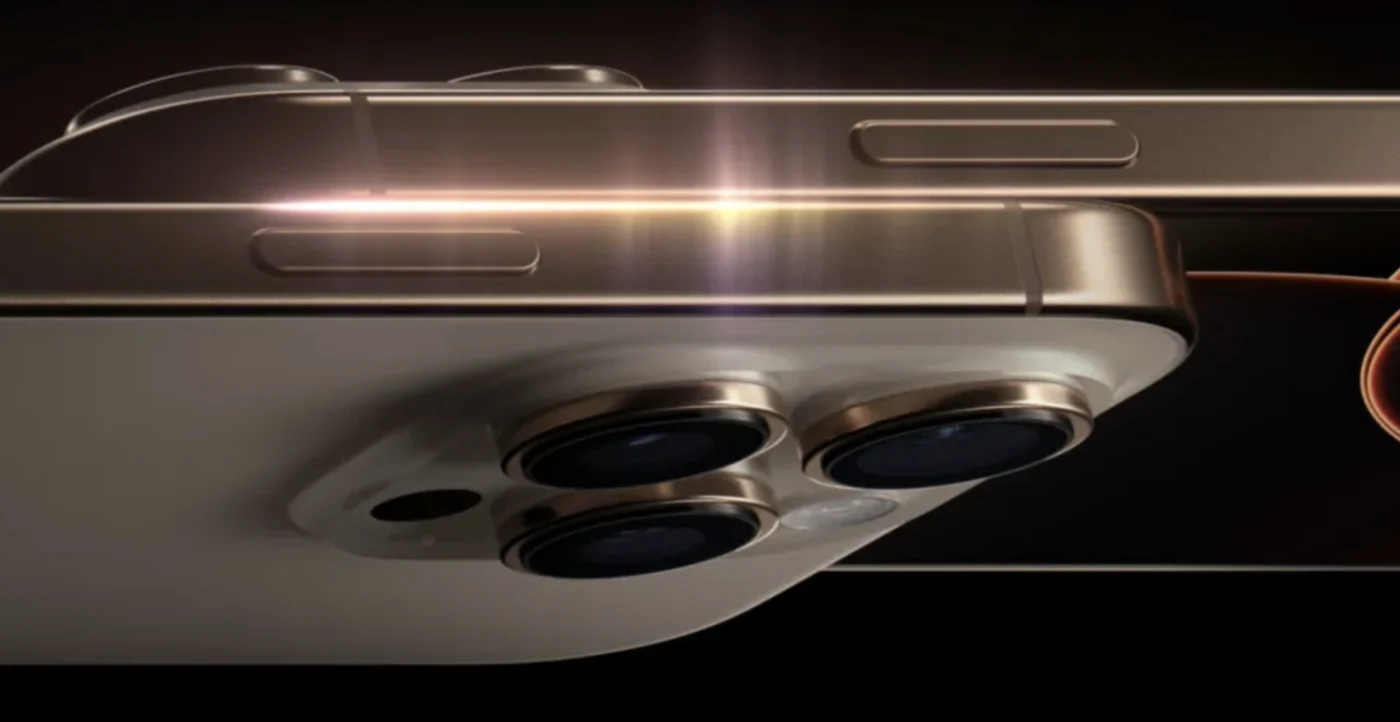
The Pro and Pro Max models make the most sense if camera quality and battery life are non-negotiable for you — heavy photographers, video creators, or anyone who’s tired of charging their phone mid-afternoon. The Pro Max in particular offers the longest battery life and the largest display in the lineup, which matters if you spend a lot of time on your phone for work or media.
Where the Air and 17e Fit In
The iPhone Air trades some battery capacity for a genuinely thin, light design — a reasonable tradeoff if how the phone feels in your hand matters more to you than squeezing out every last hour of battery life.
The 17e is for buyers who want into the Apple ecosystem at the lowest possible price and are willing to accept a more basic spec sheet to get there.
How Much Storage Should You Get?
Regardless of which model you choose, 256GB should be treated as the practical minimum in 2026. Photo and video file sizes have grown enough that 128GB fills up faster than most people expect, especially if you shoot 4K video or use the phone as your primary camera.
Bottom Line
For most buyers, the iPhone 17 hits the sweet spot this generation — you’re no longer giving up the features that used to require paying for Pro. Save the upgrade to Pro or Pro Max for people who specifically need the camera or battery gains; everyone else will be happy with the standard model.
iPhone 17e — $599
For: lowest-cost entry into Apple
Recommended
iPhone 17 — $799
For: most buyers — best price-to-feature balance
iPhone Air — $999
For: anyone who prioritizes thin and light
iPhone 17 Pro — $1,099
For: photo/video work, long battery life
iPhone 17 Pro Max — $1,199
For: maxed-out screen and battery
Більше новин в телеграмі