Unpacked Timeline Confirmed: Samsung’s Aggressive Early Start
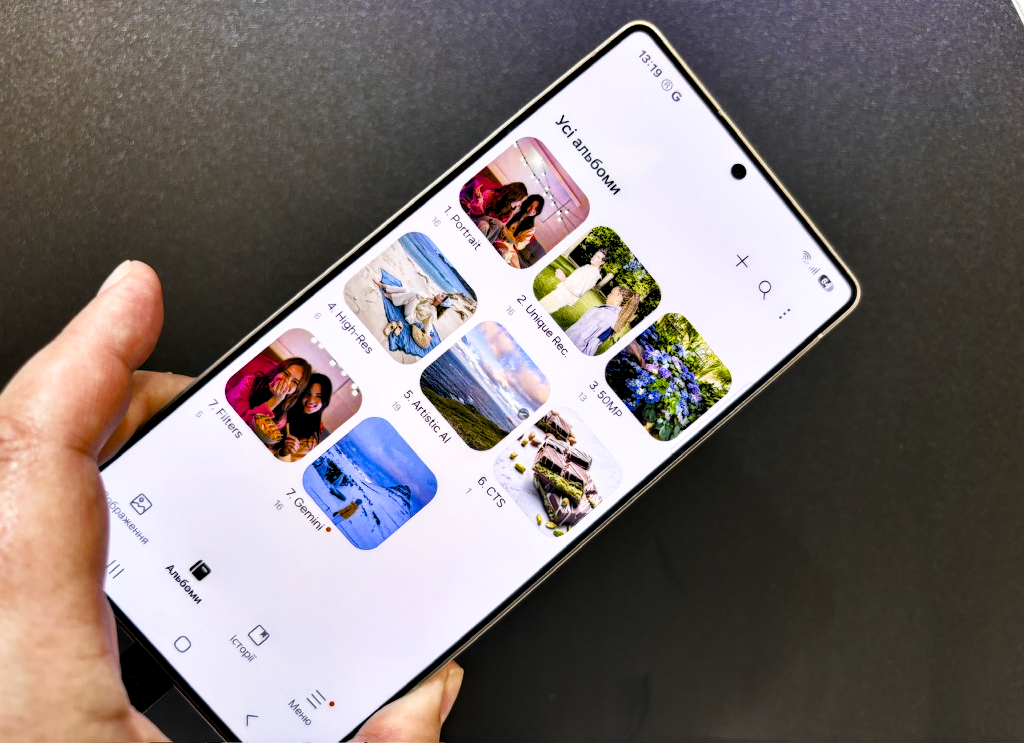
Samsung has finalized its early-2026 release calendar, focusing on a major shift to kick off the flagship season earlier than usual. The central device in this strategy is the new flagship, the Samsung Galaxy S26 Ultra.
While official press releases are still pending, the internal timeline aligns with earlier industry predictions, providing crucial clarity on when consumers can expect the device.
Key Announcement Dates You Need to Know
Samsung aims to host its major Galaxy Unpacked event in the second week of January 2026, positioning the S26 Ultra to dominate the early-year news cycle.
| Event / Region | Expected Date / Period | Detail |
| Global Unpacked Event | Second Week of January 2026 (e.g., January 7–10) | The specific date will be confirmed 2–3 weeks prior, but the timeframe is firm. |
| Pre-orders Open | Immediately following the Unpacked event | Pre-orders typically last 1–2 weeks and often include promotional bundles. |
| First Wave Sales Start | Second half of January | Includes the US, South Korea, and Western Europe. The first Android flagship of 2026 hits the market. |
| Second Wave Sales Start | Late January – Early February | Includes Eastern Europe (like Ukraine) and other regions. |
What is known about the Galaxy S26 Ultra presentation date
The expected timeframe is the second week of January, though Samsung usually keeps flexibility depending on logistics and software readiness. Pre-orders should open within weeks after the announcement, and real sales are expected in the second half of January. The exact Unpacked date will be revealed 2–3 weeks beforehand.
This means the first major Android flagship of 2026 will reach the market very early in the year.
Regional rollout: who gets the phone first
The rollout sequence remains traditional: the US, South Korea and Western Europe will be first. Eastern Europe, including Ukraine, typically follows 1–2 weeks later. As a result, Galaxy S26 Ultra may appear in Ukrainian stores by late January or early February.
Some regions may receive promotional bundles during the initial launch window — Samsung often offers increased storage or accessory credits for Ultra models.
Why Samsung Chose January 2026 for the Galaxy S26 Ultra Launch: A Precise Analysis
Samsung’s decision to launch the Galaxy S26 Ultra in January 2026 is no longer a strategic experiment but a cemented organizational standard, driven by several key imperatives that maximize competitive advantage and revenue streams.
1. Countering Apple’s Dominance and Market Hijacking
The primary and most significant driver is the need to seize the narrative early.
- Seizing the News Cycle: By launching in January, Samsung secures media attention and consumer focus for the first quarter (Q1). This effectively hijacks the flagship conversation from competitors and counters the residual attention generated by the previous year’s iPhone launch (iPhone 17 series).
- Setting the Benchmark: The S26 Ultra becomes the default benchmark for all subsequent 2026 Android flagships. Any device launched later in the year must be compared to Samsung’s standard in terms of camera, performance, and display technology.
2. Deepening Partnership with Qualcomm and Early Chip Integration
Samsung maintains a close, strategic relationship with Qualcomm, often gaining preferential access to the latest chipsets.
- First-Mover Advantage with Snapdragon 8 Gen 4: Launching in January allows the Galaxy S26 Ultra to be among the very first devices globally to feature the newest top-tier silicon (e.g., the anticipated Snapdragon 8 Gen 4 or an exclusive “for Galaxy” variant).
- Optimizing Supply Chains: By finalizing chip orders and integrating hardware earlier, Samsung optimizes its supply chain for high-volume production, ensuring that flagship components are secured before competitors can fully ramp up their own 2026 lineups.
3. Capturing Holiday and Early-Year Consumer Spending
Despite launching after the traditional December holidays, an early January launch is perfectly timed to capture specific consumer behaviors:
- Post-Holiday Purchases: Consumers often receive gift money or bonuses during the holiday period, making January an ideal month for high-value discretionary tech purchases.
- Financial Reporting: A January launch ensures that the entire first quarter (Q1) benefits from flagship sales, providing a significant boost to Samsung’s financial performance reports for the start of the year.
4. Technical Readiness and Product Maturity
The complexity of modern flagships dictates a structured, early release schedule.
- Extended Software Optimization: The integration of new, custom components—such as the advanced 200-MP computational photography modules and proprietary cooling solutions—requires extensive pre-release software tuning. Launching in January provides a rigorous testing window that ensures the device is stable and optimized upon release, reducing early-batch software issues.
- Manufacturing Lock-In: To meet the anticipated sales volume, large-scale production must commence in the late fall of the previous year (Q4 2025). The January launch date is the natural conclusion of a highly accelerated manufacturing and testing cycle
Більше новин в телеграмі