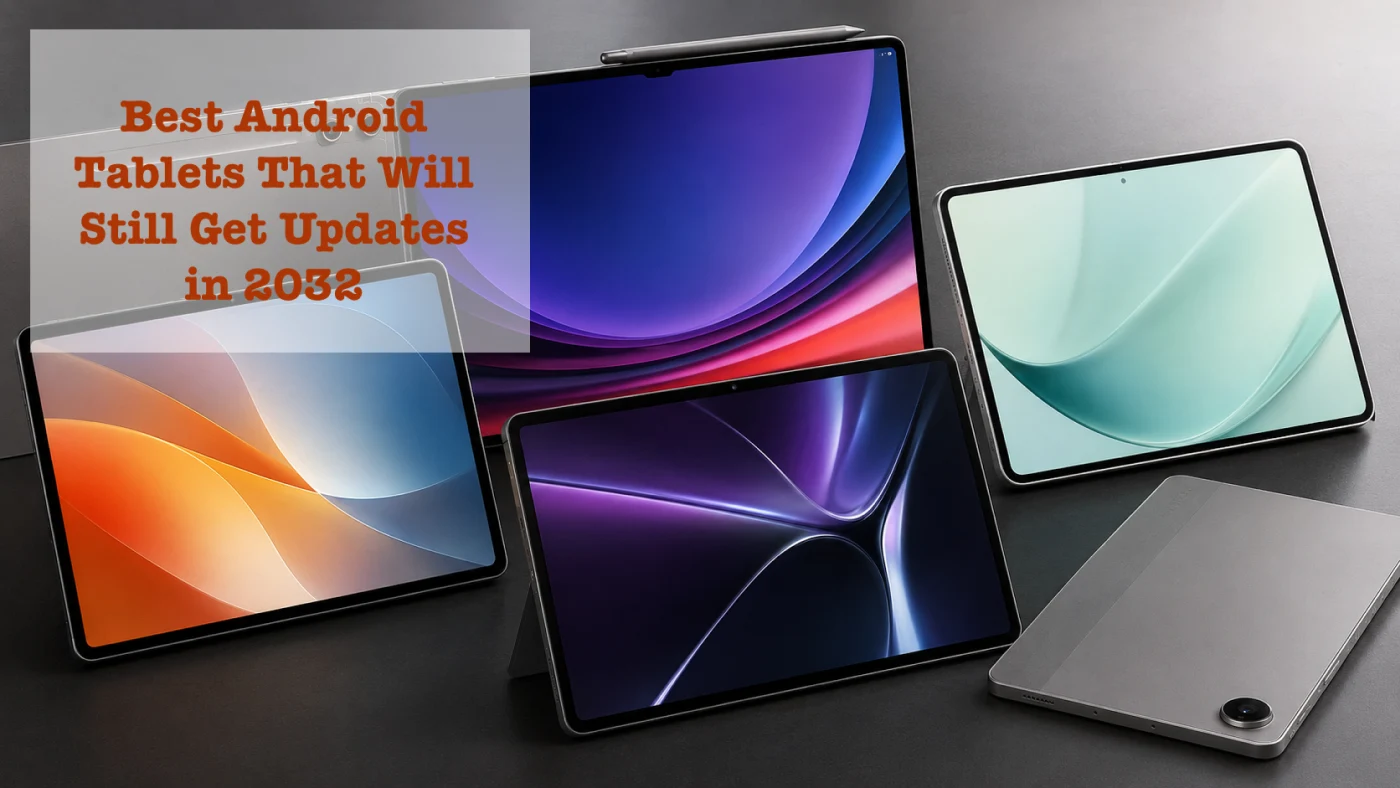
If you’re dropping $600, $1,000, or more on a tablet, you want it to last. Not just physically — a tablet can have a great screen and battery and still become a security risk in three years if the manufacturer stops sending it updates. Software support is the spec nobody talks about at checkout, and it’s arguably more important than the processor.
Here’s what to actually look for, and which tablets are worth your money if you want one that’s still getting patched in 2032.
Why software support matters more than you think
Every Android update does two things: it patches security holes, and it keeps your apps compatible with the latest Android version. Skip enough updates and your tablet starts locking you out of newer apps, running into compatibility bugs, or worse — sitting exposed to known vulnerabilities that never get fixed.
Manufacturers now compete on this the way they used to compete on megapixels. Some brands promise 3 years of OS updates. Others are promising 6 or 7. That gap is the difference between replacing your tablet in 2029 versus still using it comfortably in 2032.
Samsung Galaxy Tab S11 Ultra — the longest support on the market, full stop
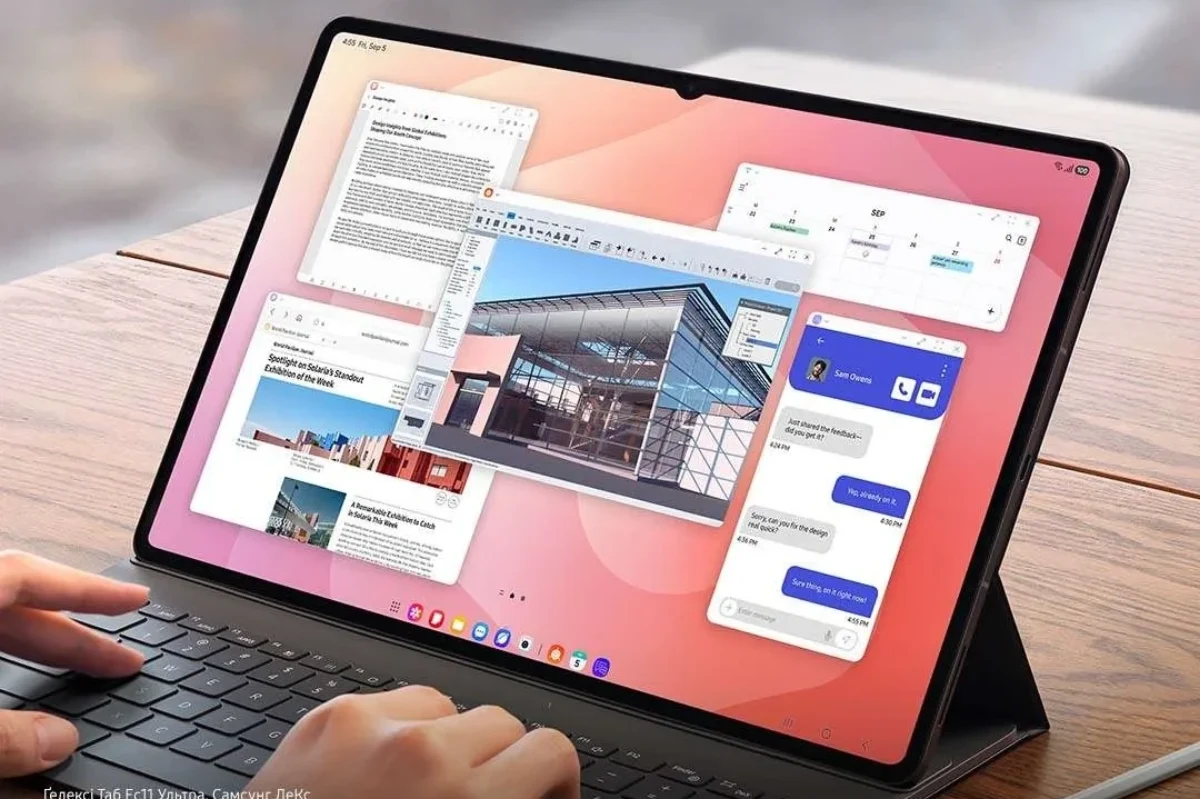
Samsung is now promising 7 years of OS updates and security patches on its flagship tablet, matching what it already does for its top-tier phones. The Tab S11 Ultra launched on Android 16 with One UI 8, which means it’s covered well into 2032 — and that’s a real commitment, not a marketing footnote, since Samsung applies the same policy to the standard Galaxy Tab S11 and several of its phones too.
What you’re getting:
- 14.6″ AMOLED display, 120Hz, up to 1,600 nits
- 12GB or 16GB RAM, up to 1TB storage
- 11,600mAh battery with 45W fast charging
- Dual rear camera (13MP + 8MP ultra-wide), 12MP front camera
Price: Starts around $1,099–$1,199 at Samsung.com, Best Buy, and major carriers, with frequent trade-in deals that knock the price down significantly.
This is the safe pick if longevity is your top priority and you don’t mind flagship pricing — full US retail availability, easy financing, and a support timeline nobody else in Android currently beats.
Honor MagicPad 4 — long support, but check before you buy
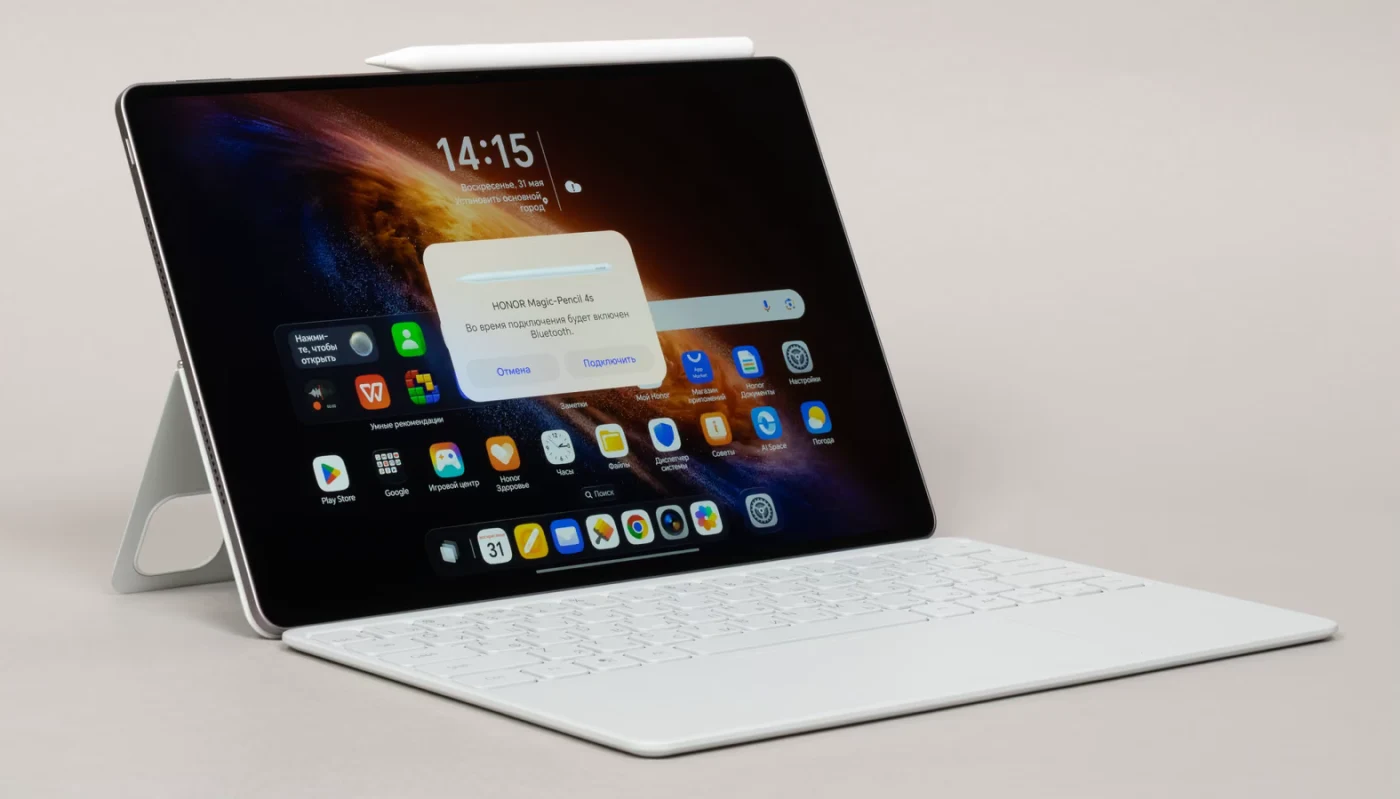
Honor is promising 6 years of OS and security updates, with security patches arriving quarterly. It ships on MagicOS 10 (Android 16) with a genuinely nice 12.3″ OLED display running at 165Hz.
The catch for US buyers: Honor devices don’t ship with Google Mobile Services out of the box in most regions, meaning no Google Play Store, Gmail, or Maps pre-installed. There are workarounds, but if you rely on Google’s ecosystem day-to-day, factor that in before ordering — this isn’t a US carrier device, and buying one usually means importing it.
What you’re getting:
- 12.3″ OLED, 165Hz, up to 2,400 nits peak brightness
- Snapdragon 8 Gen 5
- 12GB or 16GB RAM
Price: Roughly $1,000–$1,150 through importers, since it’s not sold through official US retail channels.
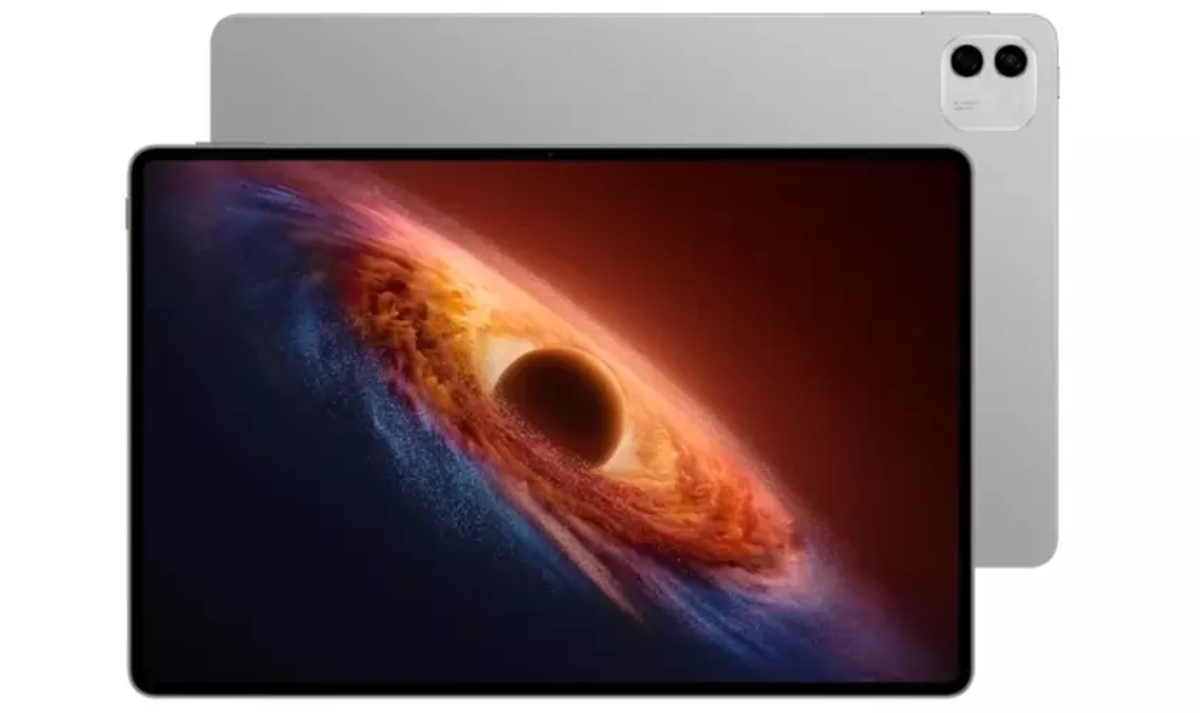
Xiaomi Pad 8 Pro — strong hardware, patchy US availability
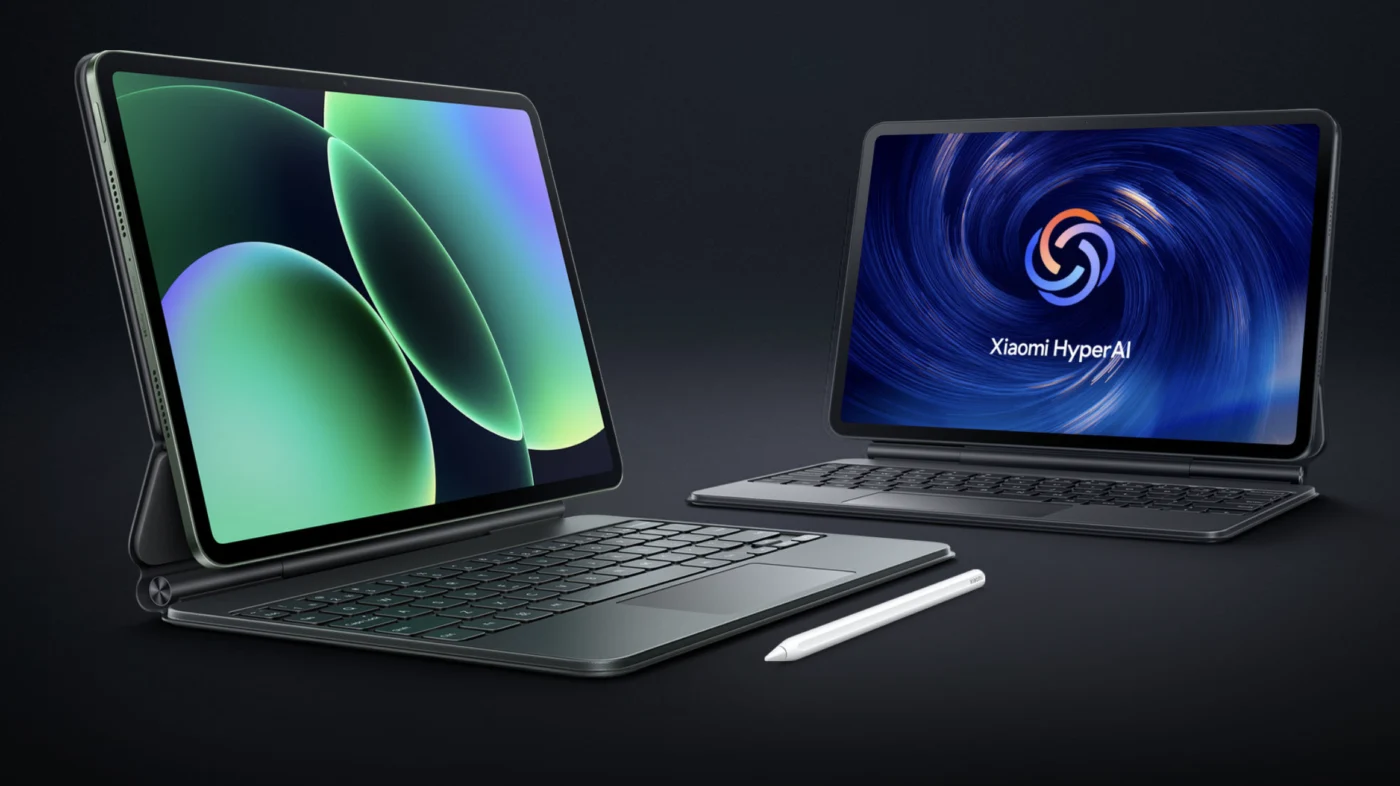
Xiaomi is offering 4 major Android version upgrades plus 6 years of security patches — OS updates through roughly 2030, security patches through 2032. It’s a genuinely well-built tablet: Snapdragon 8 Elite chip, a bright 144Hz display, and a 9,200mAh battery with 67W charging.
The catch: Xiaomi doesn’t officially sell tablets through US retail. You’ll find the Pad 8 Pro through import resellers (some listings put it around $500–$600), but you’re buying outside the normal warranty and support channel American buyers are used to.
OnePlus Pad Go 2 — the budget pick, with one big asterisk
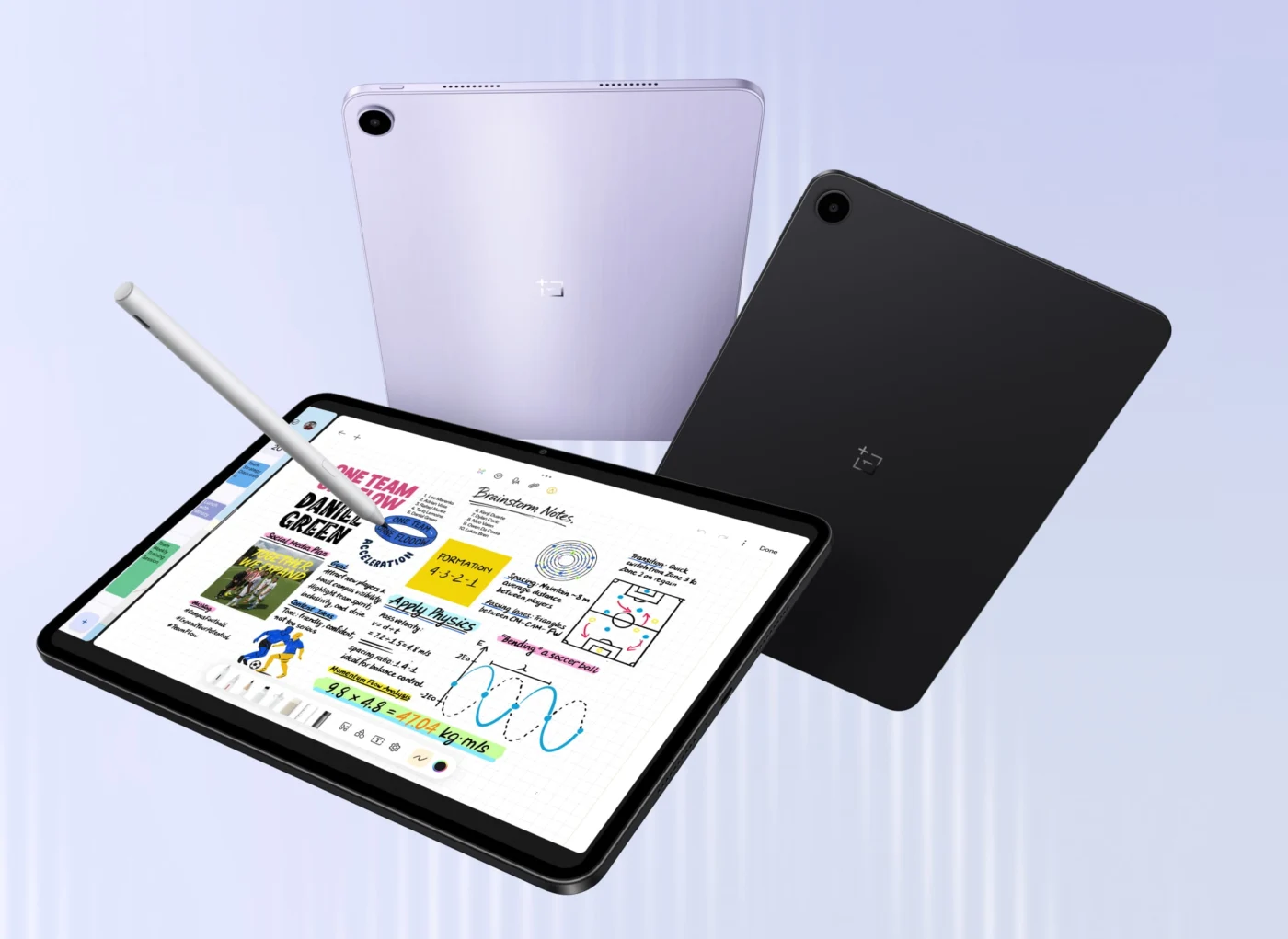
OnePlus backs the Pad Go 2 with 5 years of Android updates and 6 years of security patches, extending support out to roughly 2031. It’s the cheapest tablet on this list by a wide margin — MediaTek Dimensity chip, a big 12.1″ display, and a massive 10,050mAh battery.
The asterisk: OnePlus has confirmed it’s winding down new product launches in the US and Europe entirely, shifting its focus to China, with Realme picking up some of that international presence instead. The company says existing devices will keep getting warranty service and software updates as promised — but that’s a pledge from a company actively exiting your market, not a guarantee backed by an ongoing local retail presence.
Price: Around $250–$350, making it easily the most affordable tablet in this roundup.
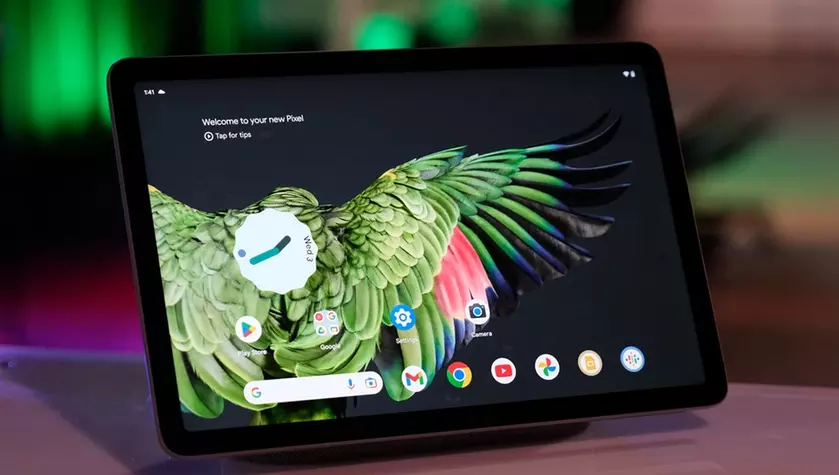
Google Pixel Tablet — shortest runway of the bunch
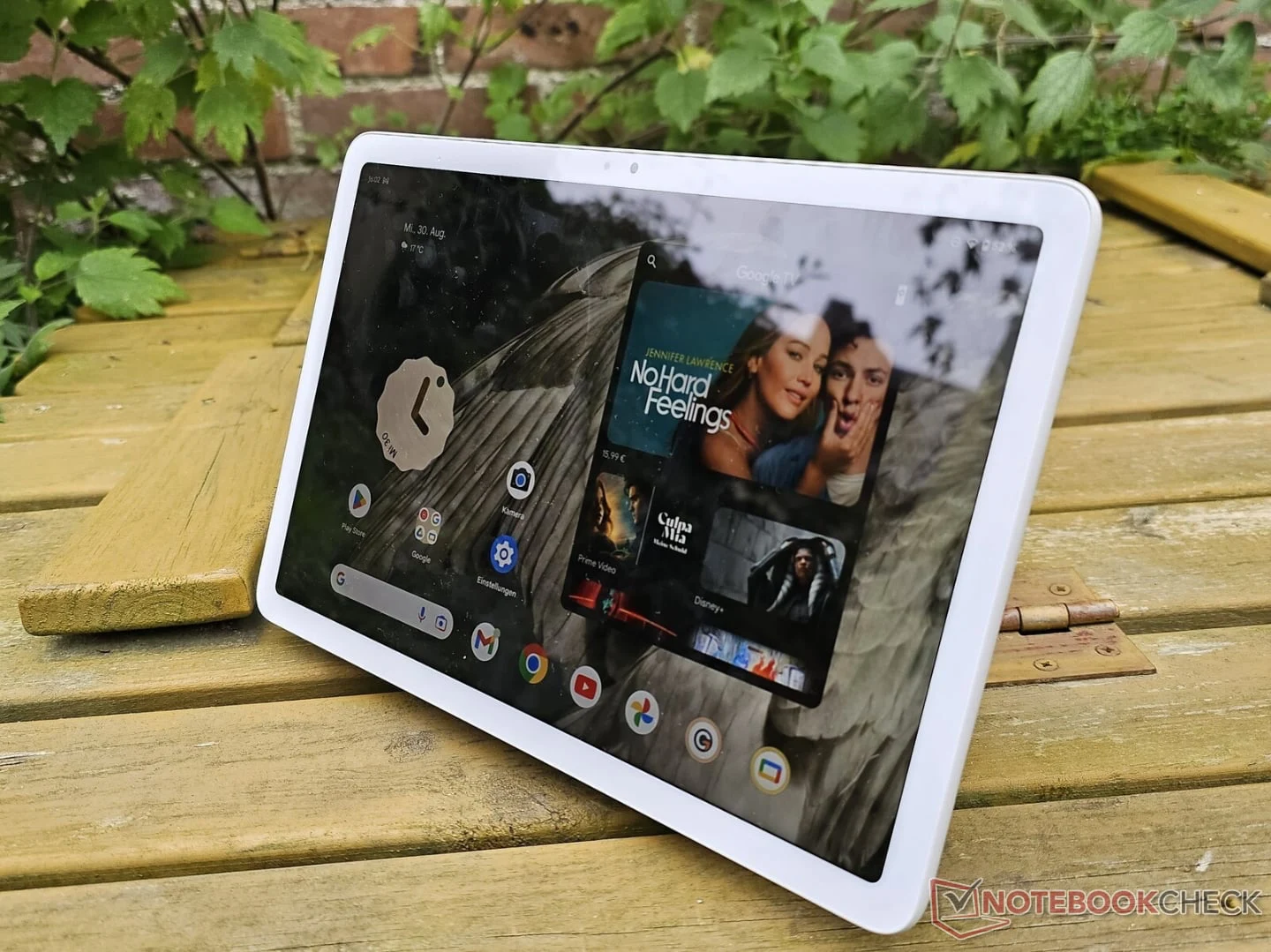
The Pixel Tablet originally shipped with just 3 years of OS updates and 5 years of security patches. Google extended that in 2026, adding 2 more years of OS updates — but even with the extension, support runs out around June 2028, well short of everything else on this list.
Price: Roughly $399–$499 at the Google Store, Best Buy, and Amazon — full US retail availability and a real ecosystem win if you’re already on Pixel phones, just don’t expect it to last as long.
Quick comparison
| Tablet | OS Updates | Security Patches | Supported Until | US Price | Officially Sold in US? |
| Samsung Galaxy Tab S11 Ultra | 7 years | 7 years | 2032 | $1,099–$1,199 | Yes |
| Honor MagicPad 4 | 6 years | 6 years (quarterly) | ~2032 | ~$1,000–$1,150 | No (import only) |
| Xiaomi Pad 8 Pro | 4 major versions | 6 years | 2032 (security) | ~$500–$600 | No (import only) |
| OnePlus Pad Go 2 | 5 years | 6 years | 2031 | ~$250–$350 | Yes, for now |
| Google Pixel Tablet | 5 years | — | 2028 | $399–$499 | Yes |
Which one should you actually buy
- Want the longest support with zero compromises and don’t mind paying flagship price → Samsung Galaxy Tab S11 Ultra. It’s the only tablet here with full official US availability, carrier financing, and the longest support commitment on the market.
- Want the best display for the money and don’t need Google apps out of the box → Honor MagicPad 4, but go in knowing you’re importing it and working around the Google Services gap.
- Want a genuine iPad Air competitor with great hardware and are comfortable buying import → Xiaomi Pad 8 Pro.
- Want the cheapest option that still gets years of security patches → OnePlus Pad Go 2, understanding the company is stepping back from the US market.
- Already own Pixel phones and value the ecosystem over max longevity → Pixel Tablet, but budget for a replacement sooner than the others.
One more thing: hardware affects whether those update promises actually hold up
A manufacturer’s promised update timeline is only as good as the hardware backing it. Tablets with less RAM are more likely to see updates arrive late, get feature-limited, or quietly get dropped near the end of the promised window — squeezing a heavier, newer version of Android onto a chip with limited memory headroom gets harder every year. When comparing tablets on this list, 8GB of RAM is the bare minimum worth considering; 12GB–16GB gives you real insurance that the later years of that support window aren’t just a number on a spec sheet.
Bottom line
If “still getting updates in 2032” is your actual bar, the Samsung Galaxy Tab S11 Ultra is the only tablet on this list that hits it with full US retail backing, generous RAM, and zero import hassle. The Honor MagicPad 4 and Xiaomi Pad 8 Pro get there too on paper, but both require buying gray-market and working around ecosystem gaps. Everything else — OnePlus included — either falls short on the timeline or comes with real questions about whether the company will still be around to keep that promise.
Get breaking news on WhatsApp
Більше новин в телеграмі