The Commissioner of the Metropolitan Police, Sir Mark Rowley, recently highlighted a dramatic shift in street crime trends: moped thieves who once targeted iPhones and discarded Android devices are now doing the exact opposite.
This reversal is driven by recent, radical upgrades to mobile operating system security frameworks, according to latest reports from the Metropolitan Police.
Why the iPhone became “toxic” to thieves
Historically, iPhones were the primary target for snatch-and-grab thieves due to their high resale value and sought-after replacement parts. However, Apple and law enforcement have effectively closed the main loopholes:
- Hardware-level kill switches: The Met Police now shares stolen device serial numbers and IMEIs directly with Apple. This allows devices to be remotely bricked at the hardware level.
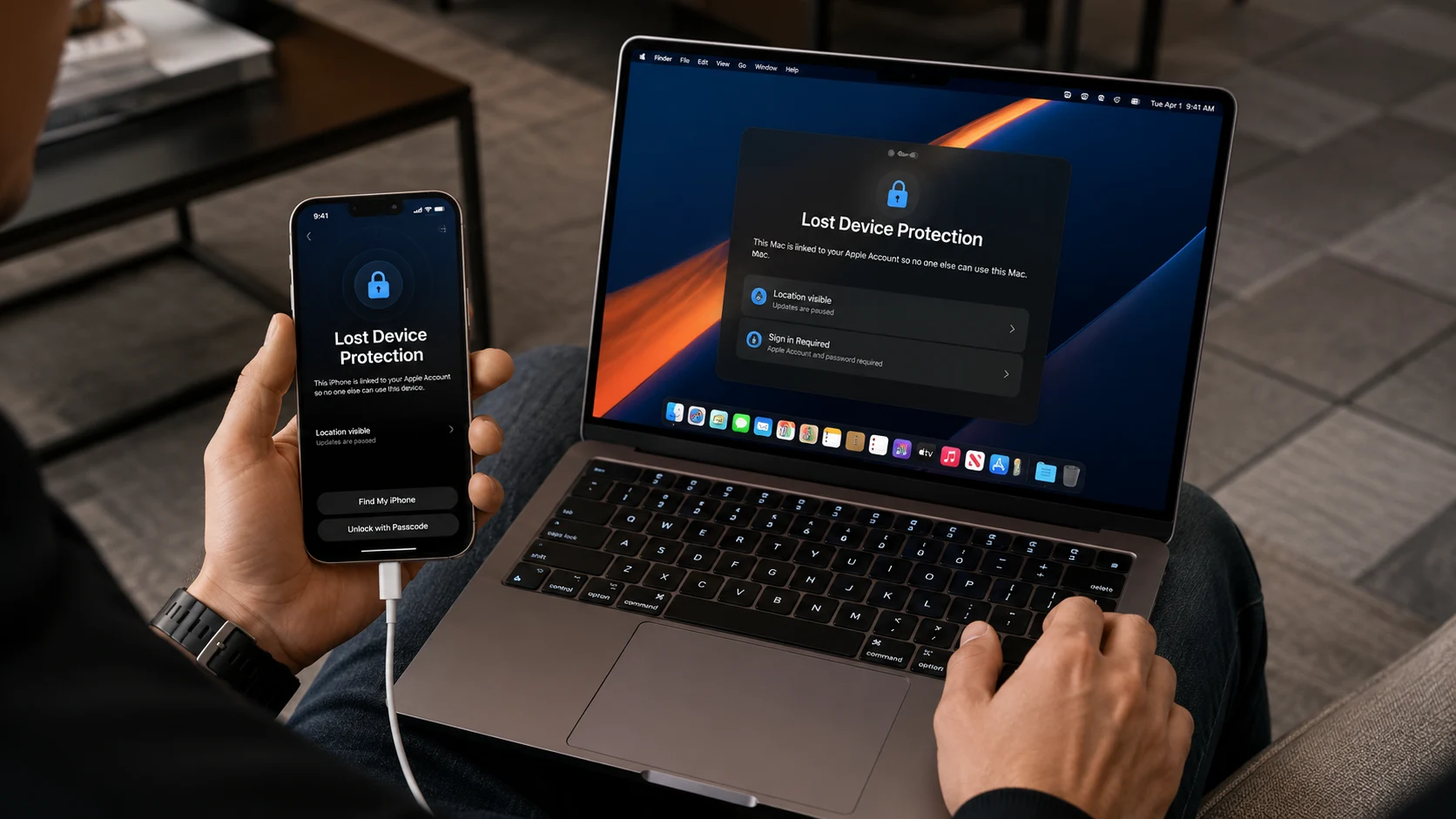
- Flawless factory reset protection: Criminals previously used specialized dark-web software to force factory resets. Apple has patched these vulnerabilities, meaning that without the owner’s credentials, the hardware becomes a useless brick that cannot be activated on any network globally.
- Stolen Device Protection: This feature, now enabled by default, detects when a phone is away from familiar locations (like home or work). It introduces a one-hour security delay for critical settings changes and mandates Face ID instead of a passcode, preventing thieves from altering iCloud links.
- Component pairing: Part-harvesting has become increasingly difficult as key components (displays, batteries, cameras) are digitally paired to the specific logic board.
Consequently, as highlighted in comprehensive coverage by The Guardian, the global success rate for activating stolen iPhones has plummeted, making the trade unprofitable. In central London boroughs like Westminster, phone-snatching statistics have dropped significantly.
Why Android is now in the crosshairs
As Apple tightened its ecosystem, moped gangs shifted their focus toward Android devices, particularly high-end flagship models. Several factors drive this trend:
- Bypassable security locks: On many Android devices, it remains relatively easier to bypass Factory Reset Protection (FRP) using custom firmware or third-party servicing software.
- The black market for components: Screens and logic boards for popular Android models lack strict digital component pairing. This makes them much easier to sell to rogue repair shops or export abroad; UK police have tracked established smuggling routes moving stolen devices from London to North Africa.
The road ahead
Sir Mark Rowley has issued a clear challenge to tech giants, particularly Google and Samsung, demanding security measures that match Apple’s standards. Backed by initiatives from the UK Home Office, the police are calling for mandatory two-factor authentication for device resets, hardware-level component tracking, and automated global IMEI data sharing.
While Google has begun rolling out AI-driven features like Theft Detection Lock—which uses accelerometer data to detect the sudden, violent motion of a phone being snatched on the move and instantly locks the screen, as detailed on the Google Keyword Blog—implementing these protections uniformly across thousands of fragmented Android models remains a much slower process than in Apple’s closed ecosystem.
Більше новин в телеграмі