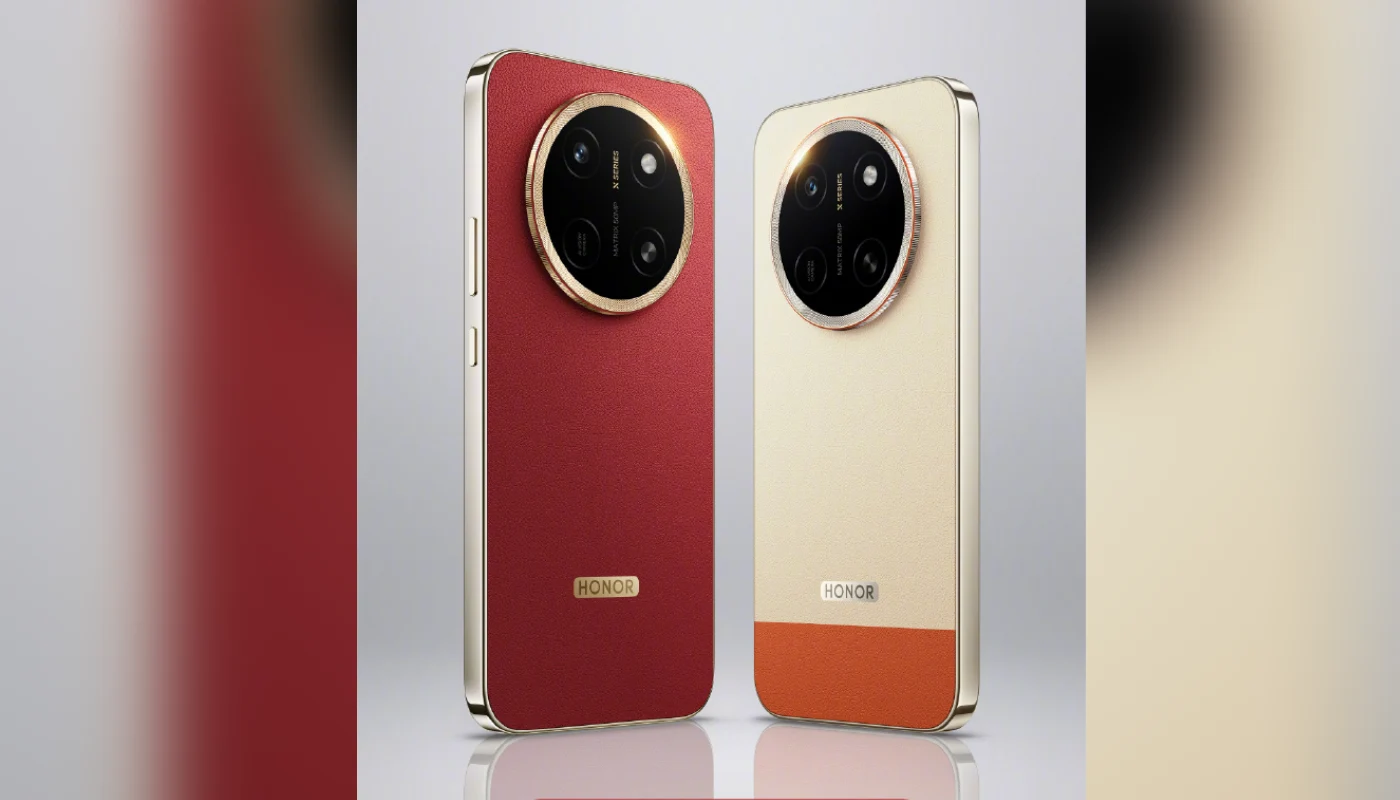
When shopping for a mid-range smartphone, we have come to expect a certain level of predictability: a slightly better screen, a marginally faster processor, and the industry-standard 5,000 mAh battery. However, the new Honor X80 Pro Max completely shatters these conventions. On paper, this device represents a genuine engineering challenge, pairing unprecedented battery life with some very unexpected hardware trade-offs.
11,000 mAh in a Standard Form Factor
The defining technical highlight of the Honor X80 Pro Max is its massive 11,000 mAh battery. Currently, this is the highest capacity available in the mid-range segment, where mainstream options from competitors (such as the Samsung Galaxy A57 or Xiaomi Redmi Note 14 Pro) typically max out at 5,000 mAh.
Engineers managed to pack this immense capacity into a chassis just 8.1 mm thick and weighing 203 grams by leveraging a silicon-carbon (Si/C) battery architecture. Since this is not a traditional lithium-ion cell, a significant caveat remains: while Si/C technology enables much higher energy density in a compact space, there is currently no long-term, real-world data regarding its longevity, daily endurance under heavy workflows, or degradation rates over time.
To prevent endless charging cycles, the device features 90W proprietary wired fast charging. Another practical inclusion is 27W wired reverse charging, allowing the smartphone to function as a dedicated power bank to juice up other gadgets via a Type-C cable.
The device is not yet officially listed on Honor’s global website. All current technical data and Geekbench performance metrics stem from leaks on the Chinese social network Weibo and early retailer inventory listings. In European and regional markets, the launch price for the 12GB RAM and 512GB storage configuration is projected to hover around $440 (approx. 18,000 UAH).
Snapdragon 6 Gen 5 Performance and Geekbench 6 Benchmarks
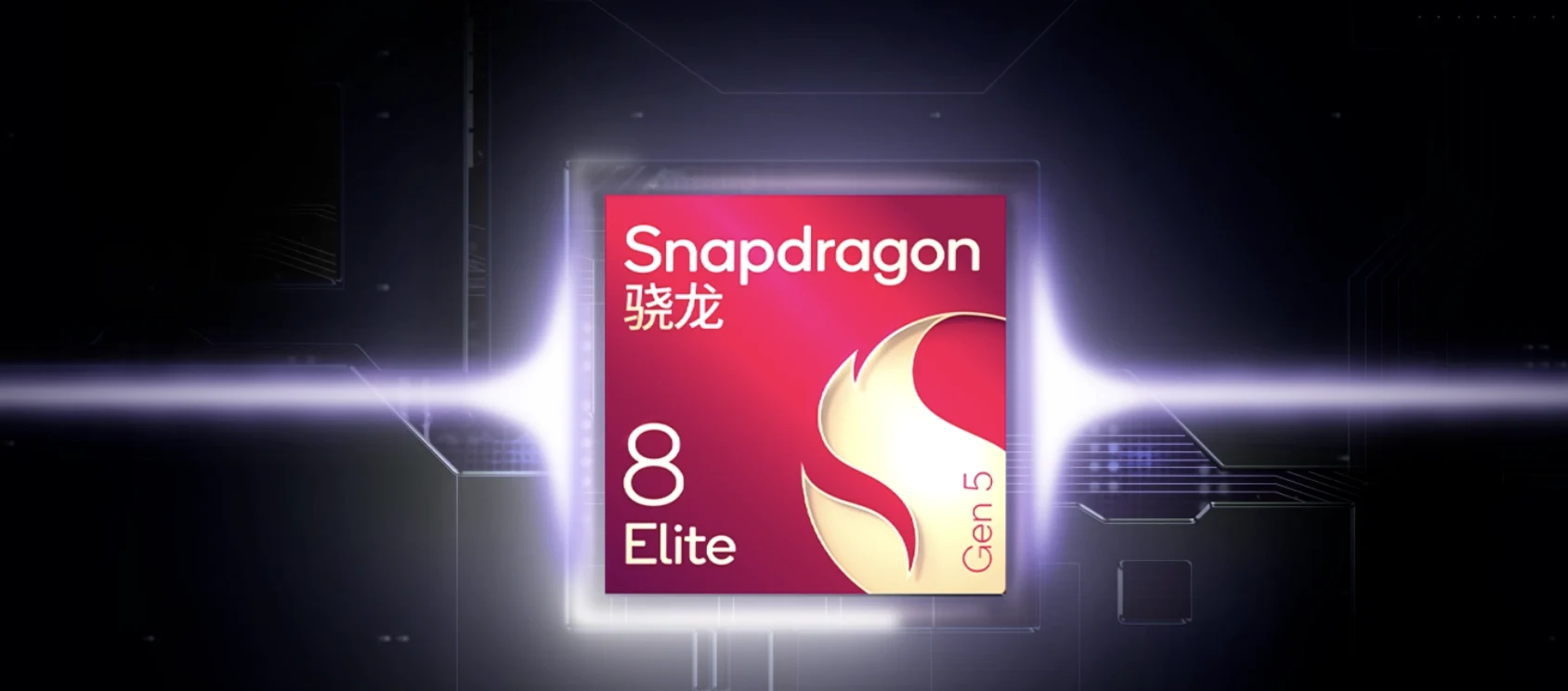
The smartphone debuts Qualcomm’s new 4nm Snapdragon 6 Gen 5 platform (model SM6850), paired with the Adreno 812 graphics chip. According to technical database leaks from Geekbench 6, the processor delivers the following scores:
- Single-Core Score: 1,095 points
- Multi-Core Score: 3,355 points
These benchmarks indicate that Qualcomm focused on efficiency rather than raw, peak processing power. The chipset relies on a 4+4 architecture: four performance cores clocked up to 2.6 GHz and four efficiency cores running up to 2.0 GHz. The primary objective of this setup is to ensure low thermal output and minimal power draw during everyday tasks. The international variant comes equipped with 12GB of RAM and 512GB of onboard storage. Note that storage expansion is not an option, as the device lacks a MicroSD card slot.
A Display Engineered to Minimize Eye Strain
The display stands out as one of the device’s strongest hardware attributes. The smartphone features a large 6.8-inch AMOLED / LTPS panel boasting a crisp 1.5K resolution (2788×1280 pixels) and a density of 451 ppi.
The screen outputs over a billion colors (10-bit matrix), supports HDR, and hits a peak brightness of up to 2,000 nits, ensuring excellent legibility under direct sunlight. More importantly for long-term health, it incorporates a high 3840 Hz PWM dimming frequency alongside DC Dimming. For those who browse or read in total darkness before sleep, this significantly reduces screen flicker and minimizes eye fatigue.
The Flip Side: Camera Capabilities Analyzed
The most drastic cost-cutting measure on the Honor X80 Pro Max is its camera department. The manufacturer completely abandoned multi-camera arrays, omitting both an ultra-wide lens for landscapes and a dedicated macro sensor. The rear module houses just a single 50 MP sensor (f/1.88). While engineers retained Optical Image Stabilization (OIS) and 4K video capture—which preserves image clarity in low-light environments—the camera setup remains highly limited in terms of versatility.
The 8 MP (f/2.0) front-facing camera serves a strictly uutilitarian purpose. Video recording on the selfie camera is capped at 1080p at 30 fps, with modest overall detail. It is clearly tailored for basic video calls and remote work meetings rather than content creation or high-quality photography.
Market Comparison: Mid-Range Competitors
To contextualize the strengths and weaknesses of this newcomer, here is how its core specifications stack up against current mid-range rivals—Samsung’s ultra-slim sub-flagship and Xiaomi’s balanced everyday solution:
| Technical Specification | Honor X80 Pro Max | Samsung Galaxy A57 (2026) | Xiaomi Redmi Note 14 Pro |
| Processor (Graphics) | Snapdragon 6 Gen 5 (Adreno 812) | Samsung Exynos 1680 (Xclipse 550) | MediaTek Dimensity 7300 (Mali-G615 MC2) |
| Geekbench 6 (Single / Multi) | 1,095 / 3,355 points | ~1,150 / 3,600 points | ~1,050 / 3,000 points |
| Display | 6.8″ AMOLED, 1.5K (2788×1280), 3840 Hz PWM | 6.7″ Super AMOLED+, FHD+ (2340×1080) | 6.67″ AMOLED, 1.5K (2712×1220) |
| RAM / Storage | 12 GB / 512 GB | 8 GB / 256 GB | 12 GB / 512 GB |
| Battery / Charging | 11,000 mAh (Si/C) / 90W | 5,000 mAh / 45W | 5,000 mAh / 67W |
| Reverse Charging (Power Bank) | Yes (27W) | No | No |
| Main Camera | 50 MP (f/1.88, OIS) | 50 MP (OIS) + 12 MP + 5 MP | 50 MP (OIS) + 8 MP + 2 MP |
| Front Camera | 8 MP (f/2.0, 1080p) | 12 MP (f/2.2, 4K) | 16 MP (f/2.4, 1080p) |
| Ingress Protection | IP68 / IP69K + SGS Drop Resistance | IP68 | IP68 |
| Wireless Connectivity | Wi-Fi 7, Bluetooth v6.0 | Wi-Fi 6E, Bluetooth v6.0 | Wi-Fi 6E, Bluetooth v5.4 |
| 3.5 mm Audio Jack | Yes | No | No |
| Dimensions & Weight | 162.2×77.6×8.1 mm, 203 g | 160.5×75.2×6.9 mm, 179 g | 161.4×74.1×8.2 mm, 190 g |
The Finer Details:
- Robust Environmental Protection: Despite its build compromises, the chassis achieves top-tier IP68/IP69K water and dust resistance (capable of withstanding high-pressure, hot water jets) alongside an SGS drop-resistance certification.
- Legacy Audio Support: While the broader market continues to phase out analog audio ports, the 3.5 mm headphone jack remains present here.
- Cutting-Edge Wireless Standards: The smartphone features modern Wi-Fi 7 and Bluetooth v6.0 support, which remains a rarity within this price bracket.
Hardware and Design Compromises
The competitive price point relative to the massive battery capacity requires several definitive structural and performance concessions:
- Budget Chassis Materials: Despite its rigorous ingress ratings, both the frame and the back panel are made entirely of basic matte plastic, resulting in a less premium tactile experience in the hand.
- Fixed Internal Storage: There is no MicroSD card slot. While the built-in 512GB allocation is generous, expanding your local storage capacity post-purchase is physically impossible.
- Thermal Throttling Under Gaming Loads: The Adreno 812 GPU is not optimized for sustained, high-end 3D gaming at maximum settings. The chipset aggressively throttles clock speeds to keep chassis temperatures low, causing noticeable frame rate (FPS) drops during demanding tasks.
Conclusion
The Honor X80 Pro Max is a highly specialized device. It is not built for mobile photography enthusiasts or selfie creators. Instead, it serves as a rugged, pragmatic work tool for users whose priority is staying online for 3 to 4 days without an outlet, while benefiting from an eye-safe display, fast networking, and a resilient build. It is effectively a digital utility vehicle packaged in an ordinary, unassuming form factor.
Due to a high volume of automated spam bots, comments on this article are currently closed. To join the discussion and share your thoughts, please visit our official community Telegram channel.
Більше новин в телеграмі