Xiaomi Redmi Note 15 Pro+ 5G: my impressions
I like Xiaomi smartphones. Compared to many other brands, they offer solid value for the money. My first Xiaomi was the Redmi Note 7, and I really liked it. This brand has a few serious drawbacks, which I’ll mention later in the article. For now, these are my personal impressions.
Design and build
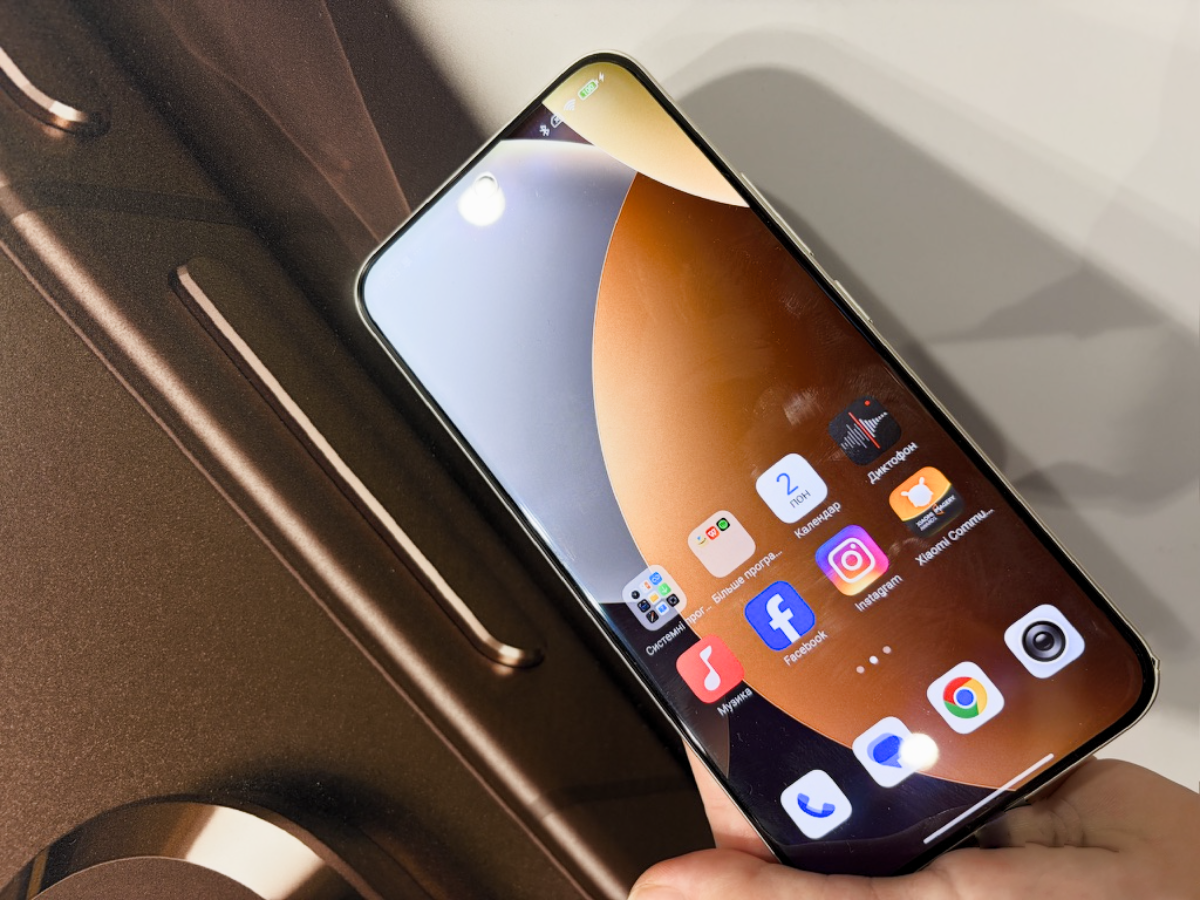
I usually try not to focus too much on appearance. Color choices rarely matter in real life. But this phone didn’t just feel fine — it felt right. It’s comfortable to hold and doesn’t come across as a typical mid-range device. In hand, it feels closer to something more premium. If not for a few issues I’ll mention later, the build itself would be hard to criticize.
It’s relatively light at 208 g, with dimensions of 163.34 × 78.31 × 8.47 mm. It sits comfortably in the hand. I would have liked a one-hand reach feature similar to what Apple offers, making it easier to reach the top of the screen, but that’s not available here. What is available, though, is a long list of AI features:
AI features
AI portrait mode;
AI voice recording;
AI video tools;
AI beauty mode;
AI creative assistant;
AI sky replacement;
AI translation;
AI writing tools;
AI search;
AI speech recognition;
AI image expansion;
AI object removal Pro;
AI reflection removal;
AI image enhancement;
AI dynamic wallpapers;
Circle to Search;
Gemini.
Even though I actively use AI features, I don’t recommend sharing personal data with them. Storing sensitive or confidential information on a smartphone is also something I would avoid. We’ve covered this topic separately before.
Cameras
When it comes to cameras, it’s easy to compare how colors look in real life versus how the Xiaomi Redmi Note 15 Pro+ captures them.
The camera is more than sufficient for Instagram and TikTok. It only falls short if you want to record 4K video at 60 fps — that option isn’t available here. Otherwise, photos look natural, with good detail. Video footage is clean in well-lit conditions.
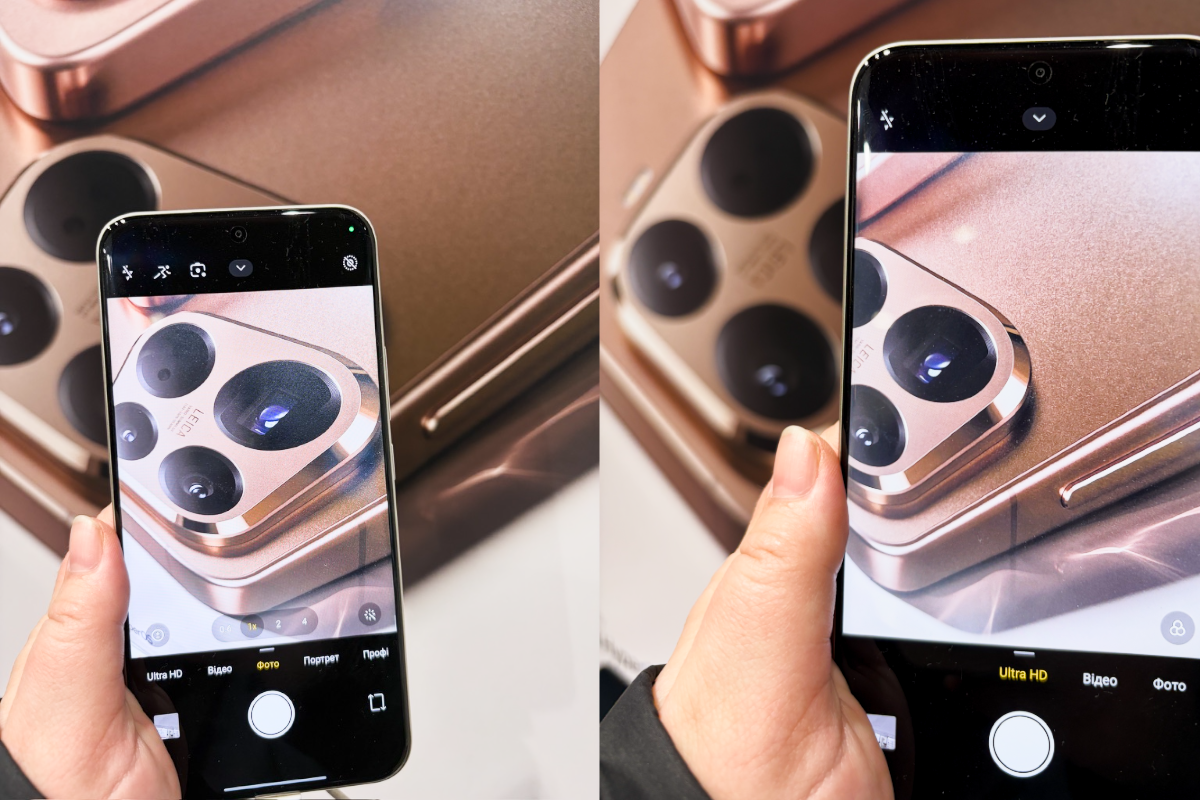
Xiaomi Redmi Note 15 Pro+ 5G camera sample. Photo: uitech.com.ua
Today, most modern cameras deliver the expected results in good lighting, as long as the settings are adjusted properly.
Camera specs | |
| Main camera | 200 MP + 8 MP |
| Aperture | f/1.7 + f/2.2 |
| Max video resolution | 4K UHD (3840×2160) |
| Optical stabilization | Yes |
| Focus | Autofocus |
| Front camera | 32 MP, f/2.2 |
If you’re looking for a direct replacement for an iPhone, this isn’t it. Xiaomi may borrow some visual ideas, but the system works very differently in everyday use.
Connectivity and eSIM
One important addition is eSIM support. This is especially convenient for people who use multiple numbers or travel frequently. Switching carriers is easy, which is a big plus.
Signal strength has been solid. In places where my iPhone struggled, this phone maintained a stable connection. That said, I still occasionally press on-screen buttons with my ear during calls. While Xiaomi claims the proximity sensor has been improved, I didn’t notice a dramatic difference.
Thermal performance
The phone warms up during extended video recording. I expect similar behavior in gaming scenarios. That said, it never became unusable or uncomfortable to hold. I didn’t manage to push it into heavy throttling, although I didn’t run dedicated stress tests.
It’s also worth noting that I tested this phone during winter. How it performs in summer heat, above 28°C (82°F), remains an open question.
Display
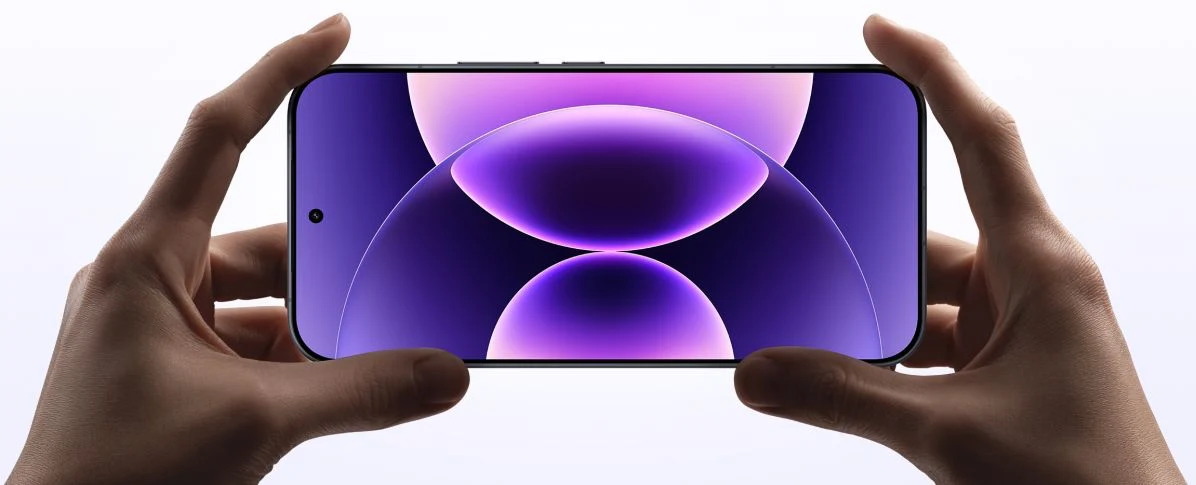
The display is one of the phone’s strong points. An AMOLED panel, 120 Hz refresh rate, and 447 ppi result in a smooth and pleasant viewing experience. YouTube and Netflix look great. Social media apps perform without any issues.
Color accuracy matters to me. On iPhone, I’m comfortable with the tuning. On some Samsung devices, colors often feel overly saturated. With the Xiaomi Redmi Note 15 Pro+, the balance feels right. Colors look natural, without excessive vibrancy.
Face unlock
Face unlock is available, but I don’t plan to use it. It’s not comparable to Apple’s Face ID and works as a simpler alternative. Apple’s approach to facial recognition is still unmatched. The company has also renewed its partnership with the firm behind Face ID technology, so significant updates are likely ahead.
Overall impressions and drawbacks
Overall, the phone left a positive impression. Still, there are clear downsides.
Advertising. There’s simply too much of it. Accidentally tapping an ad and installing unwanted apps is easy.
Proximity sensor. It doesn’t work perfectly — closer to about 75% reliability.
Software experience. It’s smooth, but often feels too reminiscent of Apple’s design language.
No 4K at 60 fps. I shoot a lot of video, and this limitation matters to me.
One more interesting detail I didn’t mention earlier: the phone can be rinsed under running water. Some even claim hot water is fine. I understand this isn’t a $2,000 device, but it’s still not something I’d casually risk. If you’ve tested this yourself, feel free to share your experience in the comments.
Більше новин в телеграмі