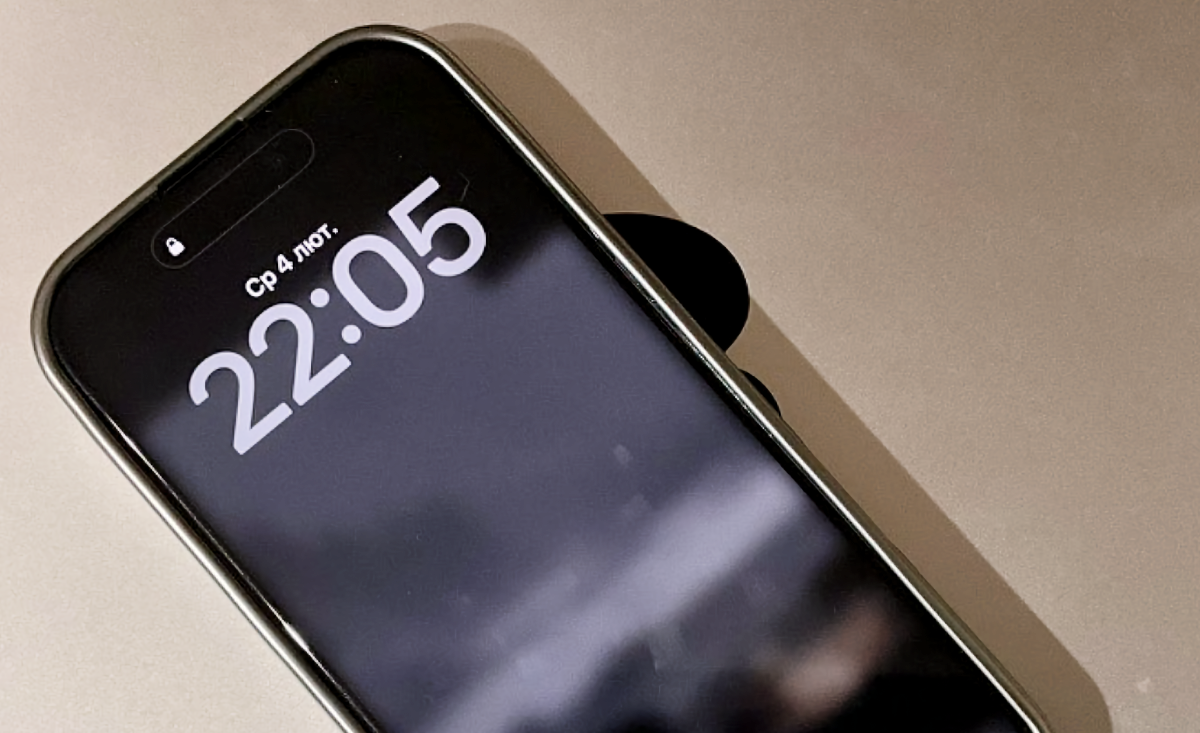
iPhone 17: a major upgrade for the base model
I have been using the iPhone 17 for a month as my primary device. It handles video, social media, spreadsheets, photography, and video recording every day. What follows is practical, real-world experience with the base model, not a spec-sheet review.
The iPhone 17 represents a clear step forward specifically for the standard version. Apple changed almost everything this year to make the device feel more balanced and comfortable. Setting aside the current issues with iOS 26, the phone now feels closer to a Pro model — minus one camera.
The most important changes are the 120 Hz display, revised camera behavior, proper landscape shooting with the front camera, consistent performance, and improved physical balance. Together, these factors create a noticeably different experience, which explains why many users are upgrading even without planning to.
What makes the iPhone 17 feel close to Pro
The display is the first thing that stands out. A 120 Hz refresh rate in the base model significantly changes how the phone feels in daily use.
Scrolling, gestures, animations, and reading text all appear smoother and more relaxed. This is not a first-day impression — the difference becomes most noticeable after hours of use. Color reproduction remains natural. Compared to other phones I use for work, the iPhone display feels easier on the eyes, without exaggerated contrast or saturation.
iPhone 17 cameras: numbers versus real use
The iPhone 17 is a base model, and that context matters when evaluating the cameras. Apple made meaningful updates to the standard camera modules this generation.
The 48 MP main camera (f/1.6) and 12 MP ultra-wide now produce brighter, sharper images without aggressive color processing. In good lighting, image quality is consistently strong at most distances.
There is no extreme zoom, but for everyday shooting the system is more than sufficient. Photos and video look clean, with minimal digital noise.
- RAW capture. With Blackmagic Cam, RAW photos are possible, but files are large, storage fills quickly, and post-processing is required;
- multi-camera workflows. Apple Creator Studio allows easy multi-camera video setups on an iPad, using the iPhone as one of the cameras — especially useful for solo creators;
- front camera. A 12 MP sensor with autofocus. Landscape recording finally works correctly, without awkward cropping, which matters for video calls and content;
- low-light scenes. Challenges remain, but manual control through apps like Moment or ProCamera produces reliable results.
Performance and ergonomics
Performance does not try to impress, but it is consistently stable. There are no micro-stutters, random pauses, or multitasking issues.
It is worth noting that iPhone 13 and iPhone 15 still feel fast. However, the iPhone 17 maintains smoother behavior over longer sessions. The lighter body and improved weight distribution also make the phone more comfortable to use throughout the day.
System issues: iOS 26
Any noticeable issues during daily use are related to iOS 26 rather than the hardware. The device does not overheat and shows no signs of performance degradation.
Occasionally, the lower part of the display may stop responding to touch. Some interface elements can disappear in Dark Mode. The keyboard may behave inconsistently. These issues are reported across multiple iPhone models running iOS 26 and are software-related.
Who the iPhone 17 makes sense for
The iPhone 17 is well suited for users who rely heavily on their phone every day and value a comfortable, predictable experience. The 120 Hz display plays a central role here.
Camera and video are the second major factor. If front-facing video, video calls, and landscape recording matter to you, the base iPhone no longer feels limited. The updated hardware also provides a reasonable margin for future updates.
If you are satisfied with an iPhone 13 or iPhone 15, upgrading is not essential. In that case, moving to the iPhone 17 is a matter of preference rather than necessity. Still, this is clearly one of the strongest base-model updates Apple has delivered in recent years.
Більше новин в телеграмі