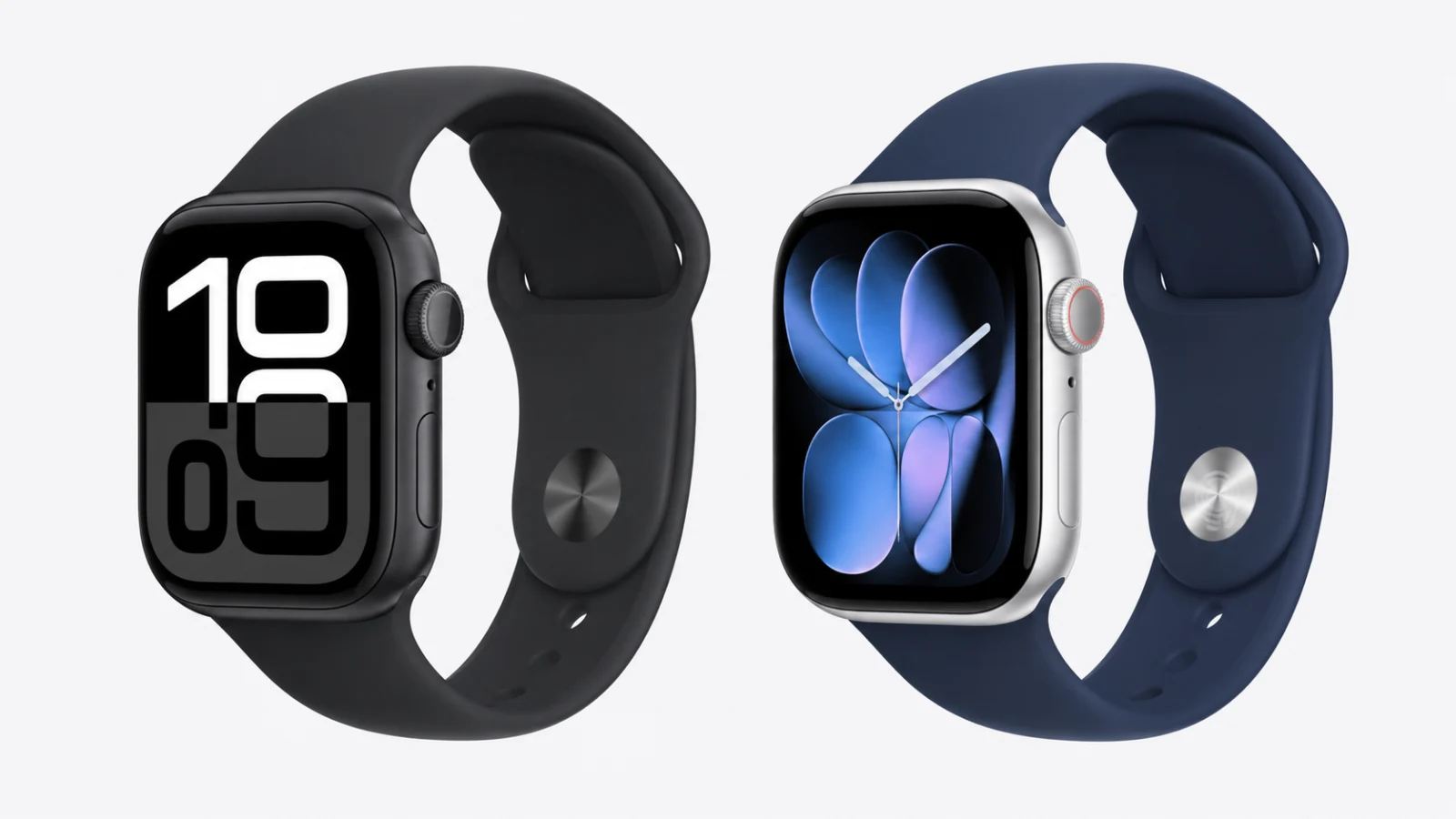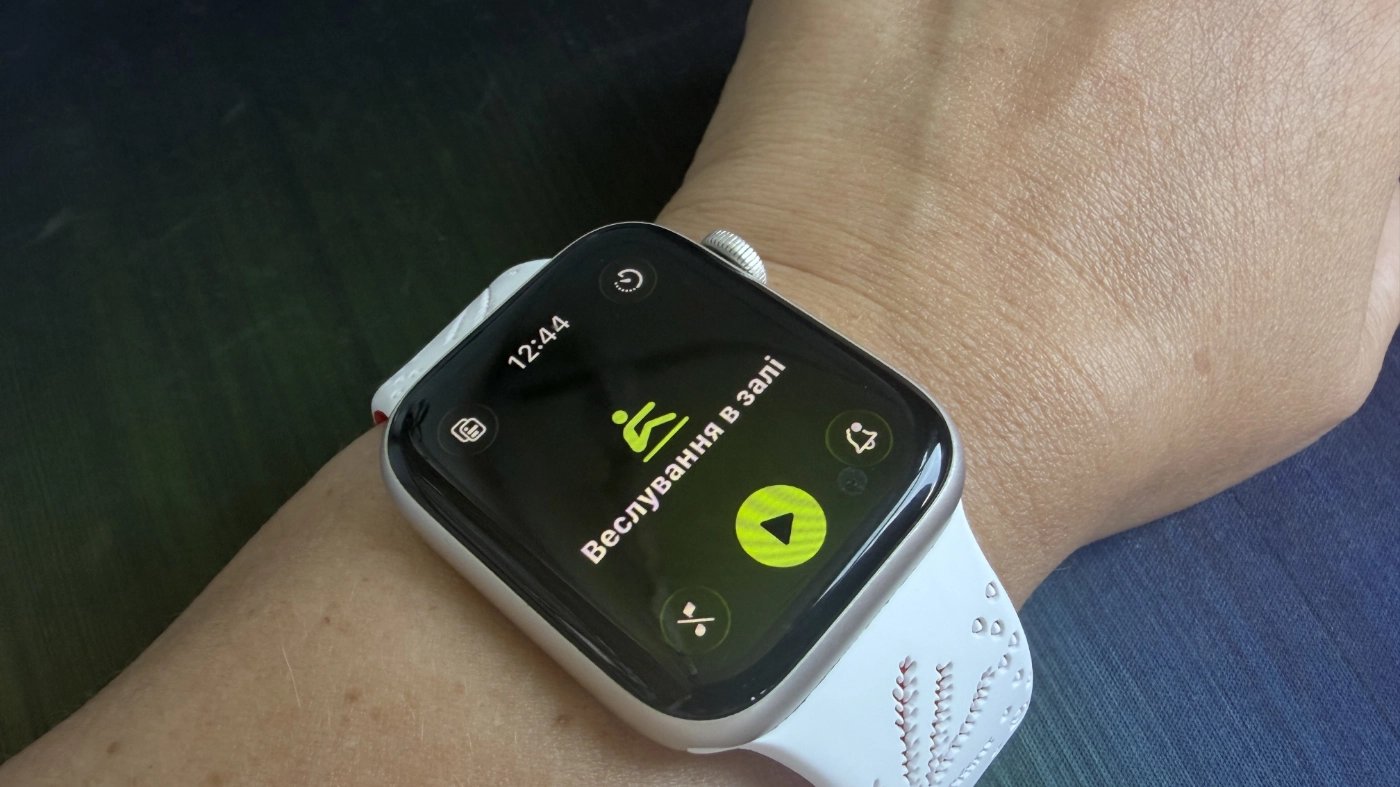

For those who regularly use Apple Watch during workouts or long-distance cycling trips, the ecosystem’s updated sports functionality comes as a significant shift. Apple has introduced an advanced monitoring system that effectively phases out the need for expensive, single-purpose gadgets. The tight integration between the watch and the smartphone completely eliminates the necessity for separate onboard hardware, turning a handlebar-mounted phone into the primary information hub for the ride.
The main driver of this shift is real-time data delivery. When a cycling workout is launched on the watch, all metrics automatically mirror onto the smartphone’s large screen via Live Activity. This provides a full-screen interface, eliminating the need to constantly look down at the wrist while moving.
Interface Ergonomics and Handlebar Data Display
The ride-tracking screen is divided into several clear metrics zones. Current and average speed, distance covered, workout duration, as well as maps and navigation routes can all be monitored in real time. Thanks to high contrast, the data remains easily readable even under direct sunlight, contributing to a safer ride.
The interface is fully optimized for speed. Large touch targets allow users to pause workouts, end sessions, or swipe through screens effortlessly, even while wearing heavy cycling gloves. After finishing, the entire ride history automatically syncs to the Fitness app, displaying detailed charts to analyze progress for both casual city rides and long-distance endurance training.
Advanced Metric Monitoring: From Casual to Pro
Beyond basic speed tracking and routing, the system now supports advanced athletic metrics. It monitors Heart Rate Zones, helping control exertion levels and maintain the target heart rate for optimal fat burn or endurance training. The screen also displays current elevation and elevation gain charts, which are indispensable for mountain trails and rugged terrain.
For in-depth analysis, the app structures the gathered data by miles or splits. This allows for a detailed breakdown of each segment of the route, identifying areas with the most significant speed drops or capturing peak efficiency on flat stretches.

Third-Party Sensor Support and FTP Calculation
A crucial step for serious training is the native support for third-party Bluetooth sensors. The watch and smartphone can now connect directly to professional power meters, speed sensors, and cadence sensors. The system automatically calculates Functional Threshold Power (FTP)—the maximum workload a cyclist can maintain steadily for one hour. Previously, such computations required dedicated, expensive hardware.
Utilizing FTP data enables the system to automatically map out personalized Power Zones. This helps distribute effort precisely during long endurance rides, preventing premature muscle fatigue, and matches the training methodologies used by professional racers.
Conclusion: Can the Apple Ecosystem Replace Dedicated Cycling Computers?
For most casual riders and advanced enthusiasts, pairing an iPhone with an Apple Watch completely covers the need for standalone devices, saving hundreds of dollars. A large smartphone screen on the handlebars, cadence sensor support, and on-the-go FTP calculations deliver a comprehensive analytical toolkit without additional costs. This serves as an excellent turn-key solution for daily workouts and mid-range distances, where the only notable challenge remains smartphone battery life with the screen constantly active during multi-hour tours.
Comments on the website are closed. To share feedback and join the discussion, please visit our Telegram channel community.
Більше новин в телеграмі