
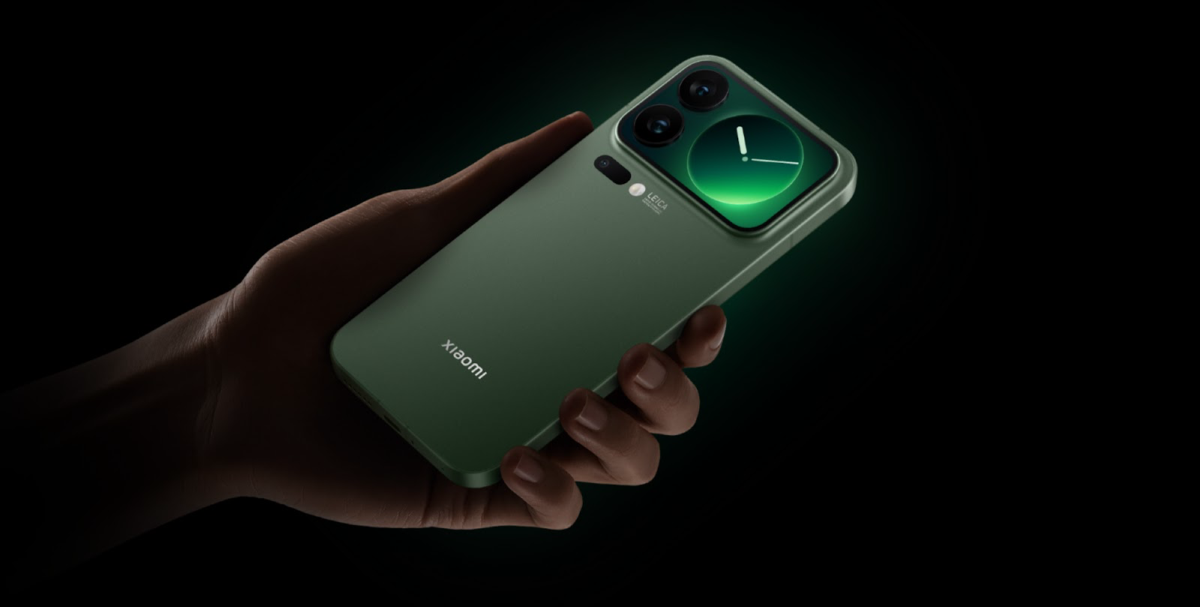
The European market receives Xiaomi 17 with a delay after its Chinese debut, but with a confirmed launch date — February 28. The company is not expanding the lineup to the full Chinese range, limiting availability to the base version and the Ultra model. This is not a new strategy for Xiaomi, but this time the decision has a different context due to the technological specifics of the Pro version.
The Xiaomi 17 series in China attracted attention not only because of the new Snapdragon 8 Elite Gen 5 and HyperOS 3, but also because of its dual-display architecture. The secondary screen became the element that shifted perception of the flagship from a purely “powerful smartphone” to a more functional tool for photography, notifications, and quick interaction scenarios.
February 28: What the European Sales Start Means
The official February 28 date represents the actual start of sales, not just a presentation. This is significant because in recent years Xiaomi has often separated global announcements from real retail availability.
For Europe, Xiaomi 17 and Xiaomi 17 Ultra have been confirmed. This means consumers will have two clear configurations: a standard flagship and a fully equipped Ultra version with enhanced camera capabilities and memory options.
At the same time, the absence of the Pro model in the official European lineup raises discussion, as it was the technological centerpiece of the series.
Rear Secondary Display: A Functional Tool, Not a Design Element
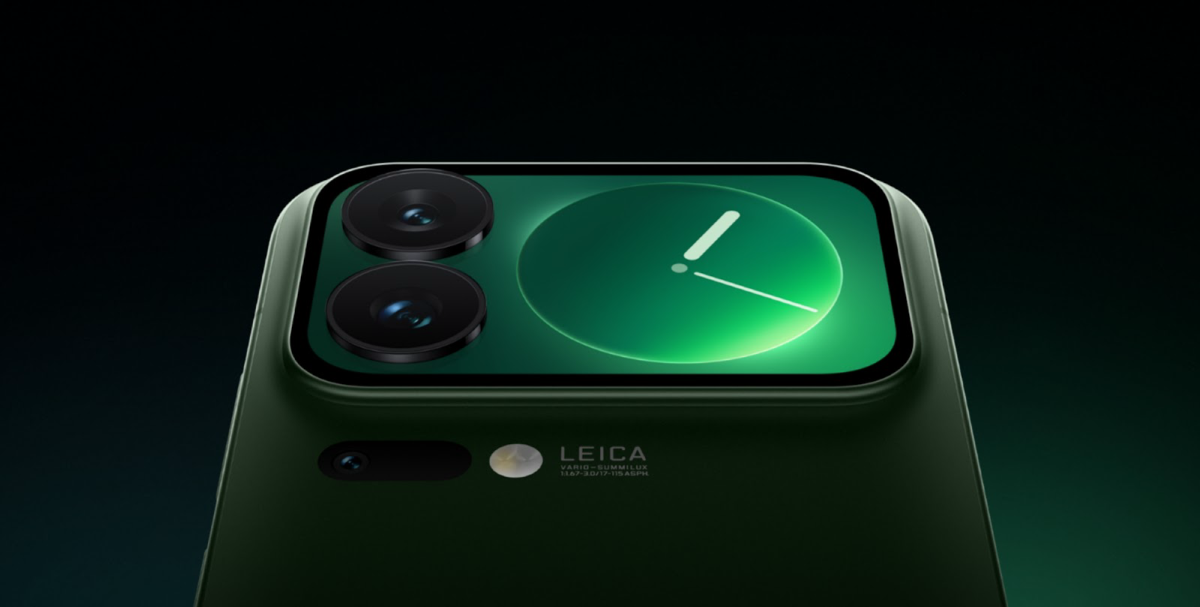
Rear secondary display. Photo c.mi.com
In the Chinese version of Xiaomi 17 Pro, the secondary display is positioned on the back panel next to the camera module. It is not decorative — it is fully integrated into the system and functions as an operational interface element.
The second screen allows users to utilize the main camera system for selfies without relying on a separate front sensor. Users can preview the frame on the rear display, improving selfie and video quality.
Beyond photography, the display shows notifications, widgets, music controls, and quick status updates. It effectively serves as a secondary quick-access panel without activating the main screen.
If this feature is not available in European models due to the absence of the Pro version, users will receive a traditional flagship configuration without this additional layer of interaction.
Technical Foundation: Snapdragon 8 Elite Gen 5 and HyperOS 3
All Xiaomi 17 models are powered by Snapdragon 8 Elite Gen 5. This is a next-generation flagship chipset focused on CPU performance, energy efficiency, and AI processing.
HyperOS 3 is based on Android 16 and redesigns animations, resource management, and notification handling. This version introduces support for a dynamic interactive area and improved integration of the secondary display in the Pro model.
For European users, this means a modern platform with full Google services support and a global firmware version without regional limitations.
Pricing and Market Positioning
The expected starting price of Xiaomi 17 in Europe is €999 for the 12/256 GB configuration. Xiaomi 17 Ultra starts at €1499 for the 16/512 GB version.
This places the models in direct competition with premium Android flagships of 2026. The difference between versions lies not only in memory capacity but also in camera hardware and body materials.
The absence of the Pro version may influence how the lineup is perceived in Europe, as it demonstrated the most innovative design approach.
February 28 marks the actual launch of Xiaomi 17 in Europe, though not a full replication of the Chinese lineup. European buyers will receive a powerful flagship and its Ultra version, but without the dual-display model if the official list remains unchanged.
The defining features of the series remain the secondary screen in the Pro model and the dynamic interface zone in HyperOS 3. These elements represent a shift in interaction logic rather than simply a performance upgrade.
The European market response will determine whether the base and Ultra versions are sufficient to maintain Xiaomi’s competitive position in the premium segment in 2026.
More news on Telegram


Більше новин в телеграмі