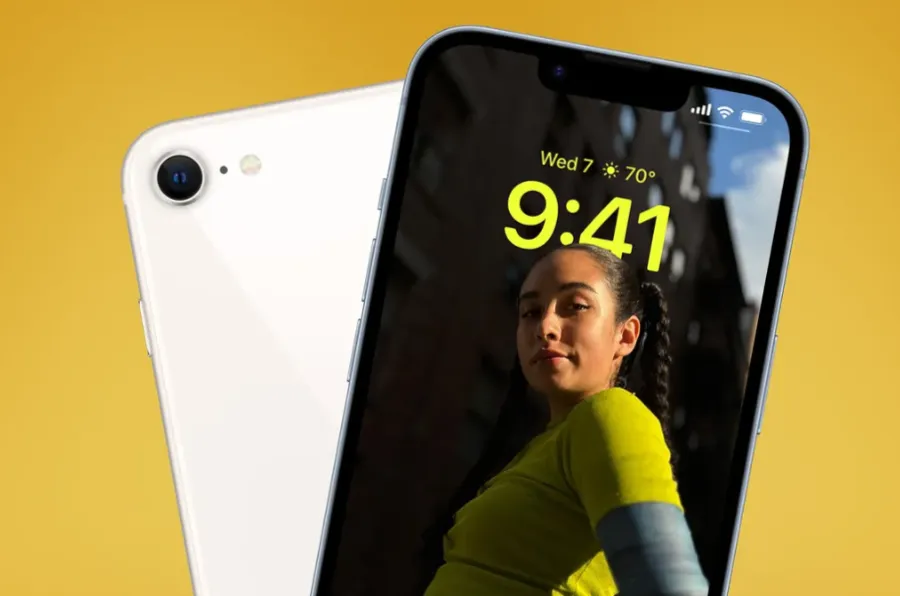

Apple is preparing its next major update to the iPhone operating system. The upcoming release — informally known as iOS 27 — is expected to arrive in 2025 and could become one of the most significant updates in recent years. While Apple occasionally breaks strict version-naming logic, users care about something far more practical: Will my iPhone get the new OS?
Why Apple Remains the Industry Leader in Long-Term Device Support
Among all smartphone manufacturers, Apple still holds the strongest position when it comes to long-term software support. Most iPhones receive major iOS updates for 5–6 years, and some models remain supported even longer.
For example, the iPhone 6S — released in 2015 — received updates until 2021, an unmatched record in the mobile industry.
Compared to Android manufacturers:
- many provide only 2–3 years of OS updates (rarely 4);
- mid-range devices often stop receiving support after 1.5–2 years;
- companies frequently end updates once a new generation is released.
Apple does the opposite:
- updates all compatible models on the same day;
- continues supporting devices long after sales end;
- maintains stable performance even on older hardware;
- releases security patches for models that no longer get major iOS versions.
This is why software longevity matters much more to iPhone owners — every new iOS release significantly extends the life of a device.
iOS 27: voice AI, health, gallery, and connectivity — what to expect
How Apple Decides Which Models to Support
Apple’s strategy has been consistent: keep devices updated as long as the hardware allows, but gradually remove older chipsets.
The transition to iOS 26 highlighted the boundary: iPhone XR, XS and XS Max — powered by the A12 chip — received the update but lost access to several features. This makes it increasingly likely that A12-based models will fall out of the iOS 27 support list.
Apple evaluates several factors:
- the SoC generation and ML performance;
- real-world popularity of the device;
- RAM capacity and storage type;
- ability to handle new OS-level features, especially AI and graphics.
Insider List: iPhones Expected to Receive iOS 27
Based on early industry reports, the following iPhone models should be compatible with iOS 27:
- iPhone 17 / 17 Pro / 17 Pro Max
- iPhone Air
- iPhone 16e
- iPhone 16 / 16 Plus / 16 Pro / 16 Pro Max
- iPhone 15 / 15 Plus / 15 Pro / 15 Pro Max
- iPhone 14 / 14 Plus / 14 Pro / 14 Pro Max
- iPhone SE (3rd generation)
- iPhone 13 / 13 mini / 13 Pro / 13 Pro Max
- iPhone 12 / 12 mini / 12 Pro / 12 Pro Max
- iPhone SE (2nd generation)
In short: all iPhones released from 2019 onward remain within the support window.
Which iPhones Are Likely to Lose Support
Models expected to drop out of the update list:
- iPhone 11 / 11 Pro / 11 Pro Max
- iPhone XR
- iPhone XS / XS Max
- iPhone X
- iPhone 8 / 8 Plus
- iPhone SE (1st generation)
These devices already show hardware limitations, especially in machine-learning tasks and memory bandwidth.
What Happens to Unsupported Models
Even if your iPhone does not receive iOS 27, Apple will still provide:
- security patches;
- urgent bug fixes;
- updates for core system components.
This means older devices can still remain usable and safe — just without new system-level features.
Conclusion
iOS 27 marks the next evolutionary step for the iPhone lineup — and a natural point where older models reach the end of their update cycle.
If you own an iPhone 11 or newer, you’re safe: the update should arrive next year.
If your device runs on an A12 chip or earlier, you may need to consider upgrading.
Recently, it became known that Xiaomi has extended software support to up to five years for some smartphones and tablets.
Xiaomi extends smartphone and tablet support to 5 years — full device list
Більше новин в телеграмі