
iOS 27: voice AI, health, gallery, and connectivity — what to expect
Are you waiting for the new iOS 27?
Let’s be honest: most users haven’t even updated to iOS 26. The reason is simple and has nothing to do with laziness — people have stopped trusting the system. There is a persistent feeling that after an update the battery will perform worse and familiar apps will become less convenient.
Yes, these are two main concerns, but in reality they both come down to one thing — usability. What does convenience really mean, and do we actually need all these updates?
When you switch from Windows to Mac, you notice it almost immediately. Buttons are different, logic changes, familiar actions work in another way. It’s irritating. But after a month, when you sit down at Windows again, it suddenly feels less logical than before.
Perhaps this is why Apple updates look so minimalistic. The company changes user habits very carefully, trying not to break the sense of control.
For example, icons get updated or new emojis are added. Is that really worth discussing? Or talking about a new iPhone color when most users will put a case on it anyway?
I don’t think so.
That’s why, among all the leaks about iOS 27, we’ll focus only on what can truly affect everyday use, not cosmetic changes like the color of iMessage.
Apple brings Gemini on board
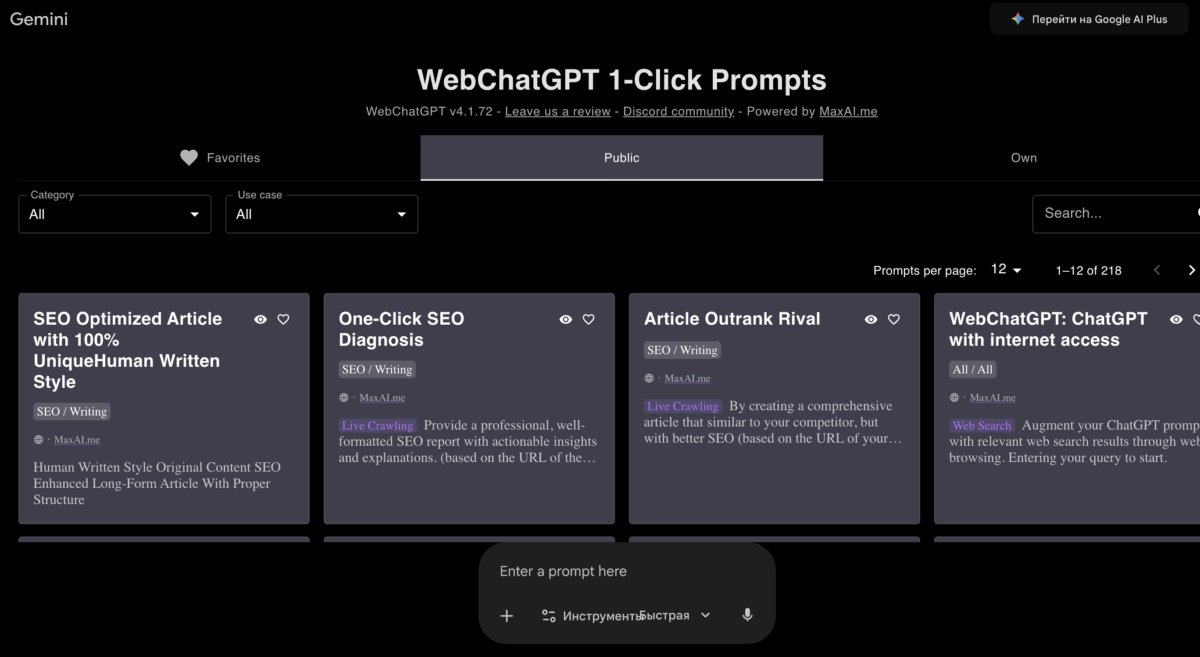
This is the most important topic. It’s unlikely that anything truly meaningful will appear as early as iOS 26.4. Most likely, the key changes are reserved for iOS 27, which will be presented at WWDC this summer.
But what does this mean for users, if we set aside the billions companies pay each other?
Gemini can speak Ukrainian, and for me this is critical. The phrase “Time to take your medicine,” which Siri pronounces in a barely recognizable way, is genuinely irritating. Siri still doesn’t support Ukrainian properly, can’t pronounce it correctly, and doesn’t understand dictation. I can’t ask it to write a command in Ukrainian — the system simply says it doesn’t understand me.
As a result, I have to use either Russian or English. But even then, Siri distorts Ukrainian names and can’t read them correctly. That’s why I hope that as early as this summer I’ll be able to use a voice assistant in a normal language thanks to Gemini.
Do I need AI on my smartphone? Honestly — only for dictation. But there’s an important nuance: I want Apple to be responsible for it. It’s a system I still trust.
I don’t want to use third-party AI apps because I don’t understand where exactly they send my data. Just recently, there was information about dozens of AI apps collecting and sharing user requests with third parties. I don’t want to be part of that system.
Apple Health+ and health features
There are rumors that Apple Health will receive a major update. But whether it will actually be significant remains an open question.
What would I want? Point the camera at food, and the system automatically calculates calories and builds my daily meal plan. It suggests recipes, tracks activity, and simultaneously monitors blood pressure and glucose levels.
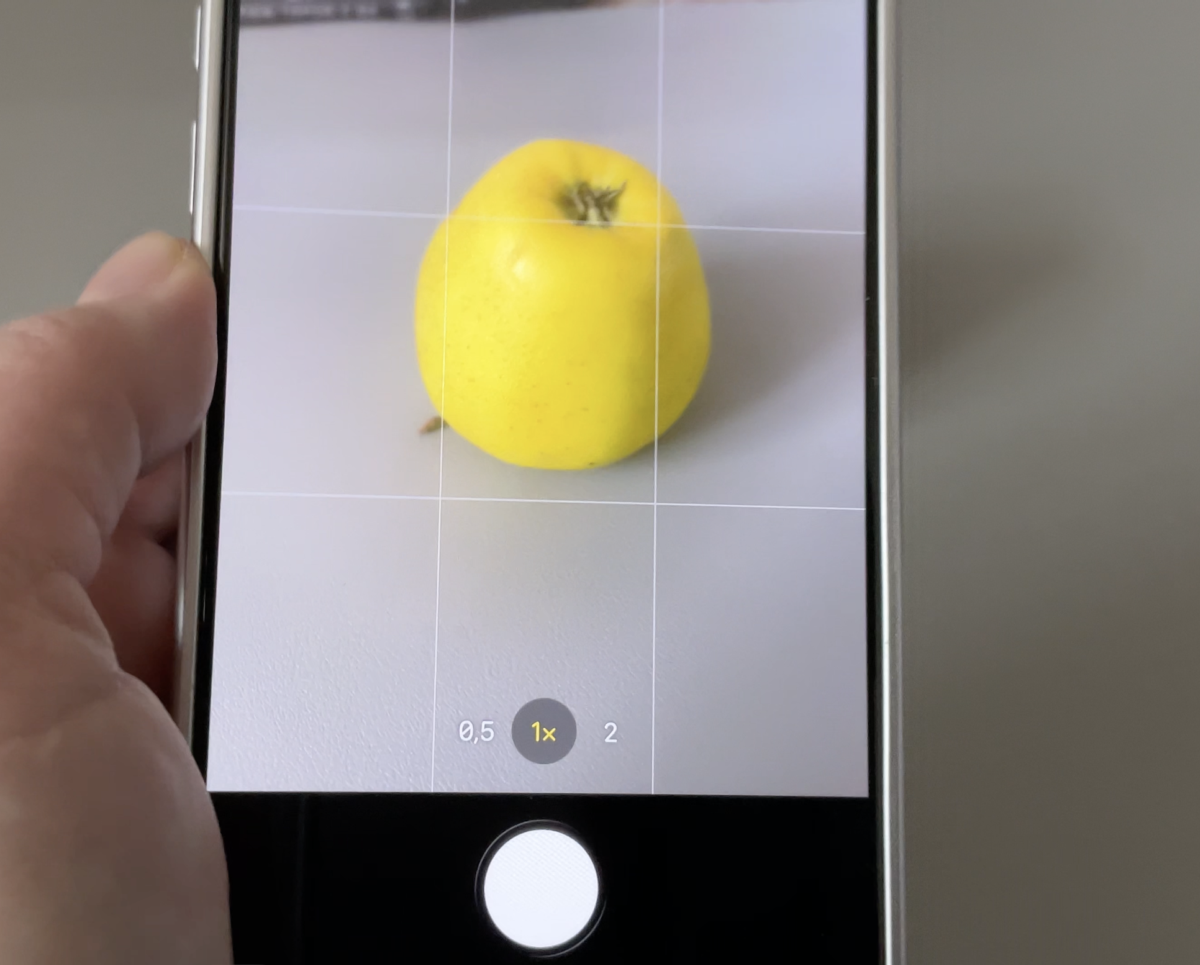
Do such apps already exist? Apparently, yes. But I don’t want to hand over my medical data to unknown corporations. I want this data to be processed locally. And once again, we return to the issue of trust and data leaks.
If Apple can truly integrate AI with tracking weight, heart rate, blood pressure, and other metrics, it would be a meaningful step. Perhaps then I could trust the company even more.
Gallery updates
New photo sorting by albums, people, and objects is expected. It sounds logical, but in practice the system still behaves strangely.
My gallery contains over 180,000 photos. When I ask it to find, for example, Samsung smartphones — which I have plenty of — the iPhone shows an empty screen. In other words, a device that should theoretically handle this task simply doesn’t.
This is exactly the case where new filters aren’t needed — stable performance of existing features is.
The most painful issue — connectivity
As unpleasant as it is to admit, my budget Samsung Galaxy A34 holds mobile signal, Wi-Fi, and overall connectivity better than the iPhone 15 and even the iPhone 17, despite their updated modules.
If Apple wants a future not only in the US but also in other regions, it will need to seriously rethink connectivity performance. There are rumors about satellite 5G, but for now even regular 5G in Ukraine remains unstable. During Kyivstar tests, there were moments when not only 5G but even basic network access was unavailable.
What else is on the horizon
There are also talks about the iPhone Fold and its separate system. We’ll see whether Apple is truly ready for this format.
New features for AirPods may appear as well, but there are no details yet.
Personal experience with iOS 26
Looking back at iOS 26.2, I can say it performs worse than iOS 18 but remains generally stable. What annoys me most is that in some apps the signature translucent interface turns into black patches. Sometimes the screen flickers during video playback, but it passes quickly.
After installing all updates, apps work as expected. Battery life remains at around five hours of screen time. The phone heats up less during video recording, although this might simply be due to freezing temperatures outside.
Overall, iOS 26 doesn’t irritate me. And that’s already something. But I never install beta versions — they ruin devices.
Write in the comments: have you updated or not? How does iOS 26 perform on your devices?
Більше новин в телеграмі




One thought on “iOS 27: voice AI, health, gallery, and connectivity — what to expect”