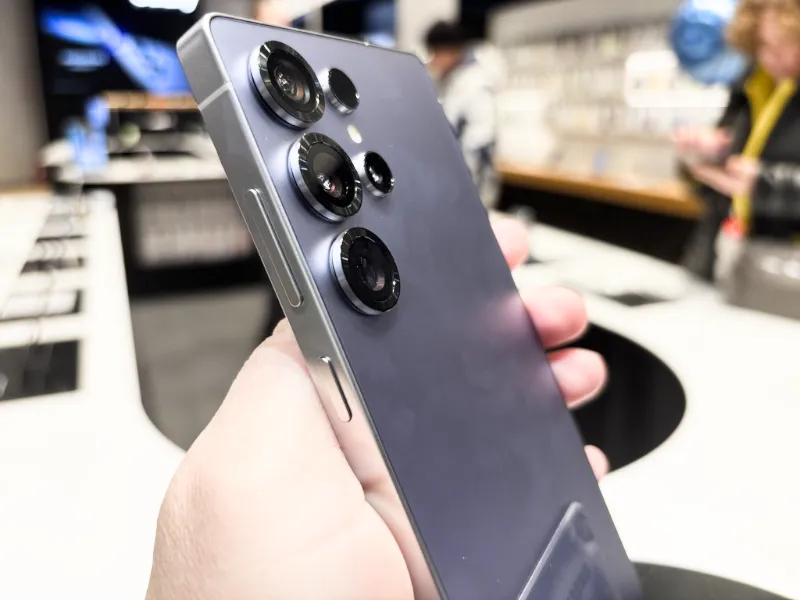
Samsung’s decision not to upgrade the cameras in the Galaxy S25 series has sparked significant discussion among tech enthusiasts. Many expected at least a minor upgrade, but instead, Samsung chose to maintain the same camera hardware as in the S24 lineup. Why? The answer lies in market dynamics, cost efficiency, and the lack of real competition forcing innovation.
The Absence of Competition
One of the key reasons behind Samsung’s decision is the absence of significant competition in the Android flagship market. With Huawei struggling due to sanctions and other Chinese brands focusing on budget and mid-range segments, Samsung remains the dominant premium Android brand. Without a strong rival pushing camera advancements, Samsung had little incentive to invest heavily in camera improvements.
Cost Efficiency and Profit Margins
Developing new camera technology is expensive. R&D costs, supply chain adjustments, and manufacturing refinements add to the overall price of the device. By keeping the same sensors and focusing on software-based improvements, Samsung maximizes its profit margins while still offering competitive photography features through AI enhancements and image processing refinements.
Shifting Priorities: AI and Performance
Instead of a hardware upgrade, Samsung has directed its resources toward AI-driven photography enhancements, better image processing, and improved computational photography. The company is betting on software to make up for the lack of new hardware, much like Apple has done in recent years. The S25 series features upgraded processing power and AI-driven optimizations that enhance night mode, zoom capabilities, and portrait photography without requiring new lenses or sensors.
Consumer Expectations and Upgrade Cycles
Many users don’t upgrade their smartphones every year, and Samsung knows it. The S24 series cameras are already competitive, and for most consumers, minor improvements wouldn’t be a strong selling point. Instead, Samsung focused on other aspects of the device, such as battery life, display technology, and AI-driven features, to entice buyers.
Final Thoughts: A Strategic Decision
Samsung’s choice to skip camera upgrades in the Galaxy S25 series isn’t a sign of stagnation but a calculated move. With minimal pressure from competitors, strong existing camera hardware, and a shift toward AI-driven enhancements, Samsung ensures profitability while maintaining its leadership in the premium Android market. The real question now is: how long can they keep this strategy before consumers start demanding more?
Apple Wins Again: iPhone Rules the World
How Much You Overpay by Buying Cheap Smartphones with Short-Term Support
MacBook Air M4 (2025): Should You Wait or Buy Now?
Which Samsung Devices Will Receive the One UI 7 Update?
Більше новин в телеграмі