What seemed impossible just a few years ago is now becoming reality: file transfer between Android and iPhone through an AirDrop-compatible protocol may soon be available on all Snapdragon-powered smartphones. Qualcomm has officially confirmed that it is working on integrating a technology that will enable fast wireless file sharing between the two platforms.
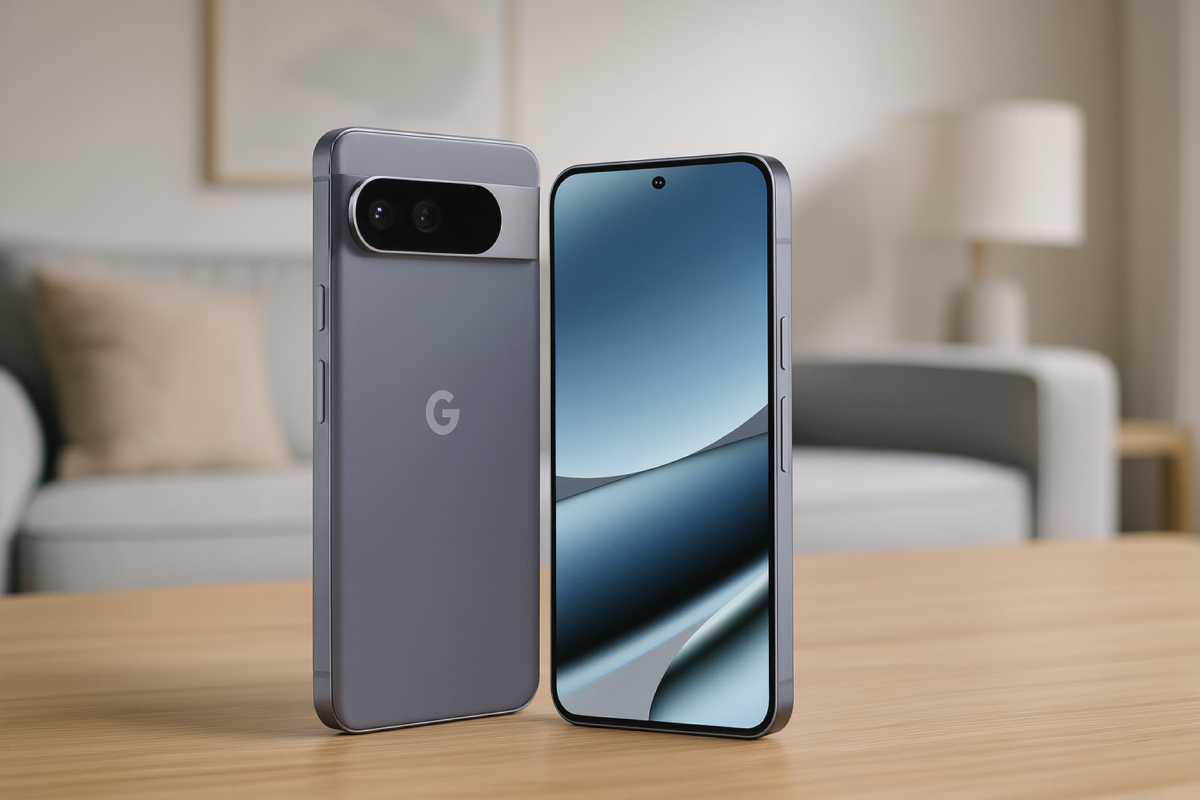
This means that the feature implemented by Google on the Pixel 10 through Quick Share will soon stop being an exclusive option and could become available on millions of Android devices.
What Exactly Qualcomm Confirmed
An official comment from Snapdragon appeared on social media:
“We look forward to users being able to enjoy this feature after it launches on Snapdragon in the near future.”
This is the key phrase: the company is not just expressing support for the idea, but is actively working on integrating AirDrop-compatible sharing into its own ecosystem. This is not an AirDrop alternative — it is true cross-platform file transfer between Android and iOS using shared protocols.
Why This Matters for Android Users
Until now, sending photos or videos between iPhone and Android without losing quality has been difficult. The choice was limited to:
- messengers with compression,
- cloud services,
- cables or third-party apps.
Support for AirDrop-compatible technology at the system level means:
- fast transfer of large files without internet access,
- Bluetooth + Wi-Fi Direct operation,
- no compression,
- native compatibility between Android and iPhone.
For most users, this will be the most noticeable improvement in smartphone convenience in years.
How It Works: Quick Share + AirDrop
After rebranding Nearby Share into Quick Share, Google merged Android’s protocol with Samsung’s protocol. The addition in Pixel 10 showed that Google went even further — enabling communication with AirDrop at the protocol level.
Qualcomm is moving in the same direction. If a manufacturer uses Snapdragon (Samsung, Xiaomi, OnePlus, Motorola, ASUS, Nothing, OPPO, vivo and many others), it will be able to activate compatibility via firmware.
What About MediaTek and Exynos?
This part is more complicated.
For AirDrop on Android to become a mass standard, several things are needed:
- updates from Google,
- support from Qualcomm,
- support from MediaTek,
- support from Samsung Exynos.
- So far, only Qualcomm has officially responded. This makes Snapdragon devices the first in line for full cross-platform sharing.
Smartphones powered by MediaTek and Exynos will have to wait for separate announcements from their manufacturers.
Apple moves closer to launching its first foldable iPhone
When to Expect the Launch
Qualcomm did not specify exact dates, but the phrase “in the near future” usually means:
first firmware builds — within a few months,
full rollout — alongside a major Android update or new Snapdragon launches.
Most likely, the feature will arrive first on flagships and later expand to mid-range and budget models. This is effectively the biggest breakthrough in Android-iOS interoperability in the last decade. If file transfer becomes universal, one of the main barriers preventing users from switching platforms will finally disappear.
This could:
- reduce the gap between Apple and Android ecosystems,
- speed up file sharing in mixed households and offices,
- decrease the relevance of third-party services and apps,
- create a new industry standard similar to USB-C.
AirDrop support on Android is not a marketing term and not a workaround created by enthusiasts. This is a real systemic step toward compatibility between two ecosystems — starting with the Pixel 10 and now officially confirmed by Qualcomm.
If MediaTek and Exynos manufacturers join as well, users will gain, for the first time, a truly universal way to exchange files between smartphones — whether they use Android or iPhone.
Більше новин в телеграмі