Should you buy the Google Pixel 10 Pro: honest pros and cons
The Google Pixel 10 Pro is often called one of the most controversial flagship phones of 2025. On the one hand, it’s a Google-made smartphone with long-term support, clean Android, and a signature Pixel camera. On the other, its price is creeping close to the iPhone Pro and the Galaxy S Ultra, while the hardware compromises become noticeable within the first weeks of use. That’s why the question “should you buy the Google Pixel 10 Pro?” comes up more often today than it did with previous Pixel generations.
This phone is hard to judge in a simple “good or bad” way, because it isn’t built for the mass market. The Pixel 10 Pro is aimed at people who value Android stability, photography without aggressive processing, and a compact form factor. At the same time, it doesn’t try to compete for the title of the most powerful or the most versatile flagship on the market.
Android updates and the clean Pixel Experience
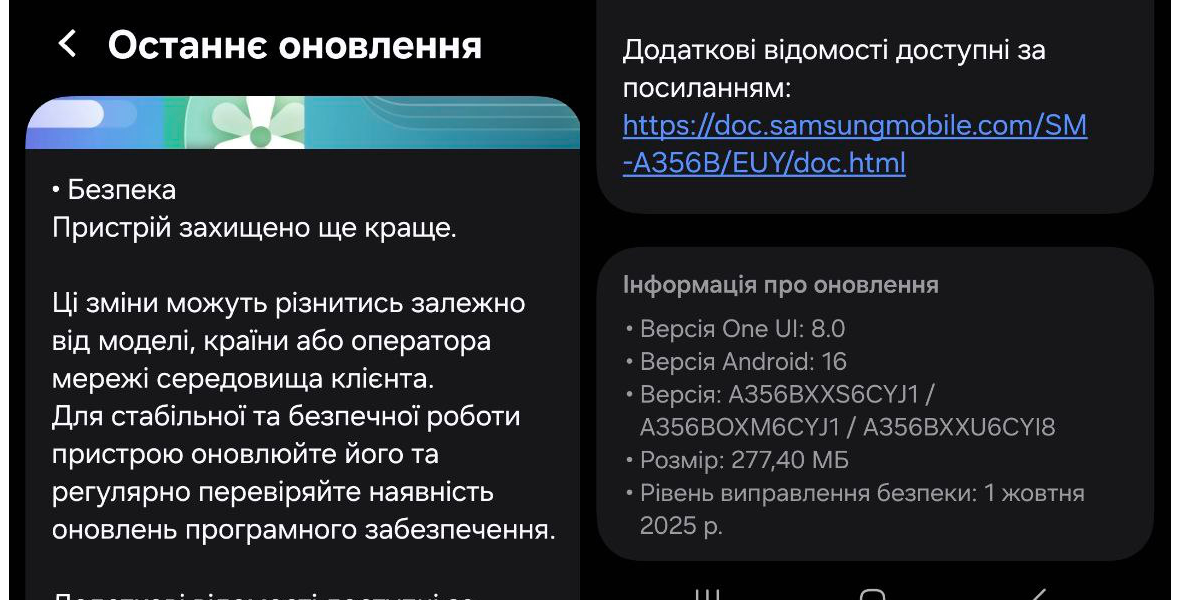
One of the main reasons to buy the Google Pixel 10 Pro is software support. The phone gets seven years of Android updates and security patches starting with Android 16, putting it among market leaders for long-term support. For many users, that means the device will stay current noticeably longer than most Android competitors.
It’s also worth highlighting the Pixel Experience: “clean Android” without ad services, duplicate apps, or heavy skins. The interface feels fast, stable, and predictable, which matters a lot if you rely on your smartphone as a primary daily and work tool. That combination of long Android support and minimalism is exactly why many people choose Pixel even with hardware trade-offs.
Design, size, and in-hand feel
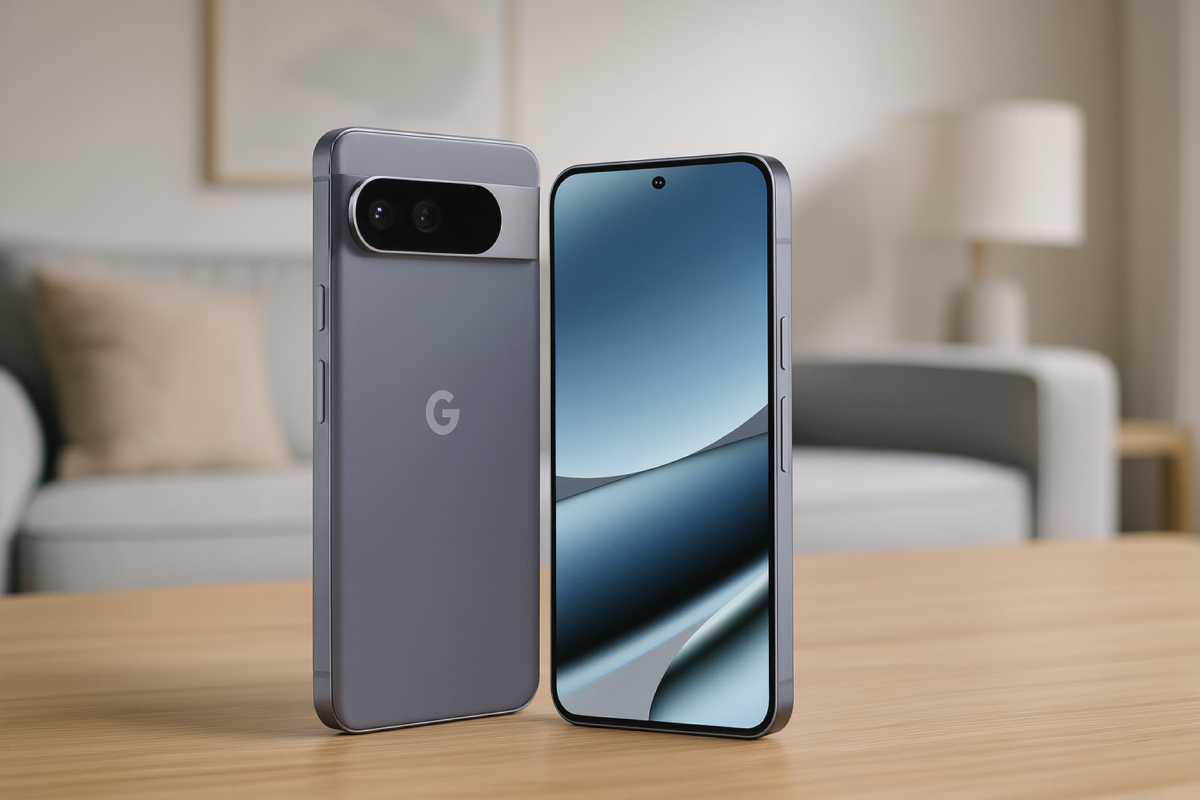
The Google Pixel 10 Pro remains one of the few compact flagships on the market. It sits comfortably in the hand, doesn’t feel overly wide or heavy, and works well for one-handed use. That’s a big plus for anyone tired of large, heavy phones with oversized displays.
The materials clearly target the premium segment: a metal frame, matte Gorilla Glass Victus 2, and Pixel’s recognizable horizontal camera bar. It looks distinctive and doesn’t blend in with dozens of similar-looking Android flagships. That said, the glossy frame can pick up visible marks quickly, which is worth keeping in mind if you plan to use it without a case.
Google Tensor G5 performance and heat
The biggest questions around the Google Pixel 10 Pro are about performance. The Google Tensor G5 falls behind Apple and Qualcomm’s top chips in benchmarks and under real sustained load. In everyday tasks the phone can feel smooth, but over longer sessions the heat and throttling become more noticeable.
That’s why the Pixel 10 Pro isn’t typically recommended as a gaming phone or for consistently heavy workloads like long video editing sessions or demanding games. It’s a flagship built for stable, calmer use where the focus is more on system optimization than peak horsepower. If maximum Android performance is your priority, competing flagships will look more convincing.
Google Pixel 10 Pro camera: realistic photos without overprocessing
The Pixel camera remains one of the phone’s strongest points. The Google Pixel 10 Pro produces natural-looking shots with accurate colors and without the heavy skin smoothing that’s common on some competitors. That “honest” processing is exactly why many photographers and users who dislike artificial-looking results keep coming back to Pixel.
The camera setup looks well-balanced: a main sensor, an ultrawide, and a telephoto with 5x optical zoom. In terms of photo quality, the Pixel 10 Pro can genuinely compete with the iPhone, especially in challenging lighting. Still, it’s not automatically the single best camera phone in the world — it’s a consistently strong camera system without surprises.
File sharing, AirDrop, and Quick Share
A common question is whether the Google Pixel 10 Pro supports AirDrop. Classic AirDrop as Apple users know it isn’t available here because it’s a closed Apple technology. However, Pixel uses Quick Share, which in newer Android versions can work with AirDrop in a compatibility-style workflow between Android and iPhone.
With the right settings, the Pixel 10 Pro can send files to an iPhone, iPad, or Mac directly over Wi-Fi and Bluetooth. The downside is that this process is less automatic than sharing between two iPhones and often requires manual confirmation. If you live deep inside Apple’s ecosystem, this may feel like a daily convenience trade-off.
What’s in the box, storage, and price
The Google Pixel 10 Pro keeps a minimalist in-box bundle even by flagship standards. In the box you only get a Type-C cable, with no charging brick or accessories. At a premium price point, that can feel especially frustrating.
Storage is another thing to consider. The 128 GB Pixel 10 Pro version can become limiting quickly, especially with photos, videos, and long-term Android support in mind. Many consider 256 GB the more reasonable starting point, but that pushes the final cost even higher.
Bottom line: who the Google Pixel 10 Pro is for
The Google Pixel 10 Pro isn’t a universal flagship and it isn’t a “competition killer.” It’s a smartphone for people who deliberately choose clean Android, long updates, a compact design, and a signature Pixel camera. At the same time, weaker peak performance, heat under load, and a sparse bundle make it less appealing to a broader audience.
If you want the most powerful Android phone or seamless Apple ecosystem integration, the Pixel 10 Pro may disappoint. But if stability, photography, and long-term software support from Google matter most to you, this phone still has a clear audience even in a crowded flagship market.
Більше новин в телеграмі