
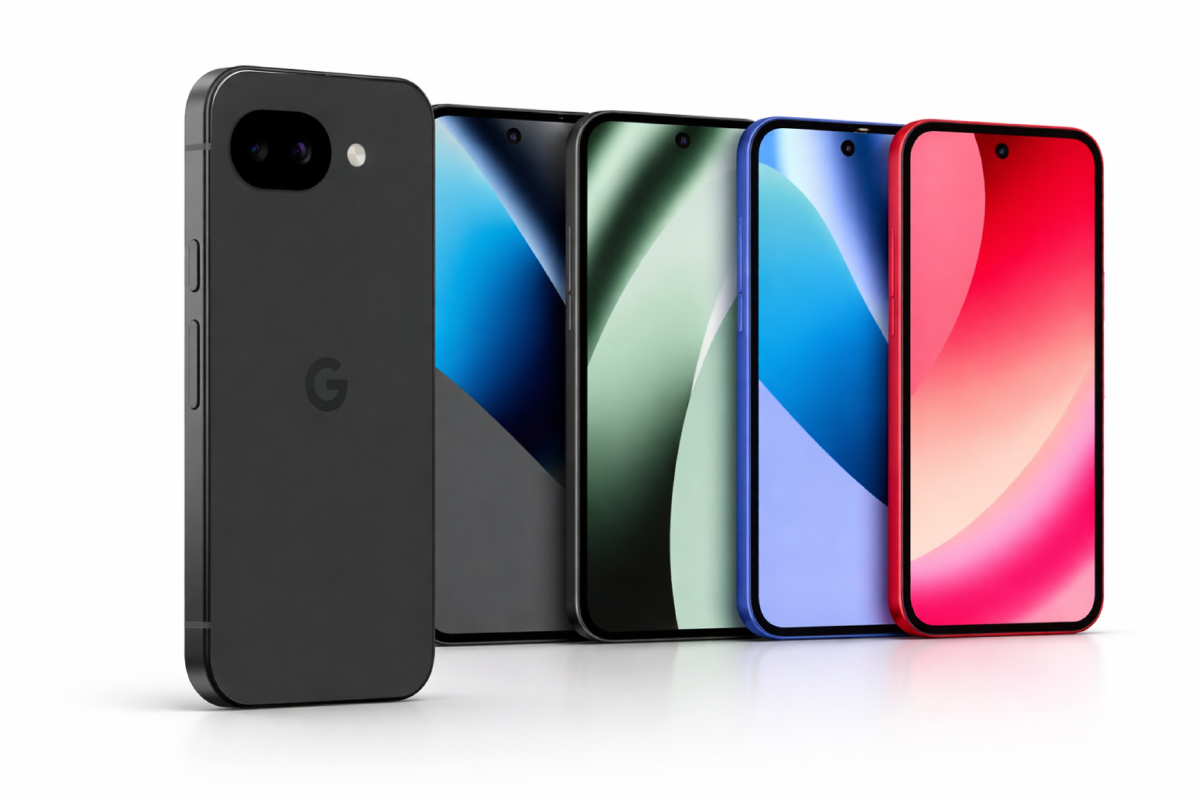
Google’s “a” series has always had a special статус. These are smartphones for people who don’t want to overpay for unnecessary flash, but still expect a clean Android experience and the best camera in the segment. The recently unveiled Google Pixel 10a is no exception. It’s a mid-range device that this year impresses not only with software, but also with meaningful hardware upgrades.
Design: Saying Goodbye to the Iconic “Bar”
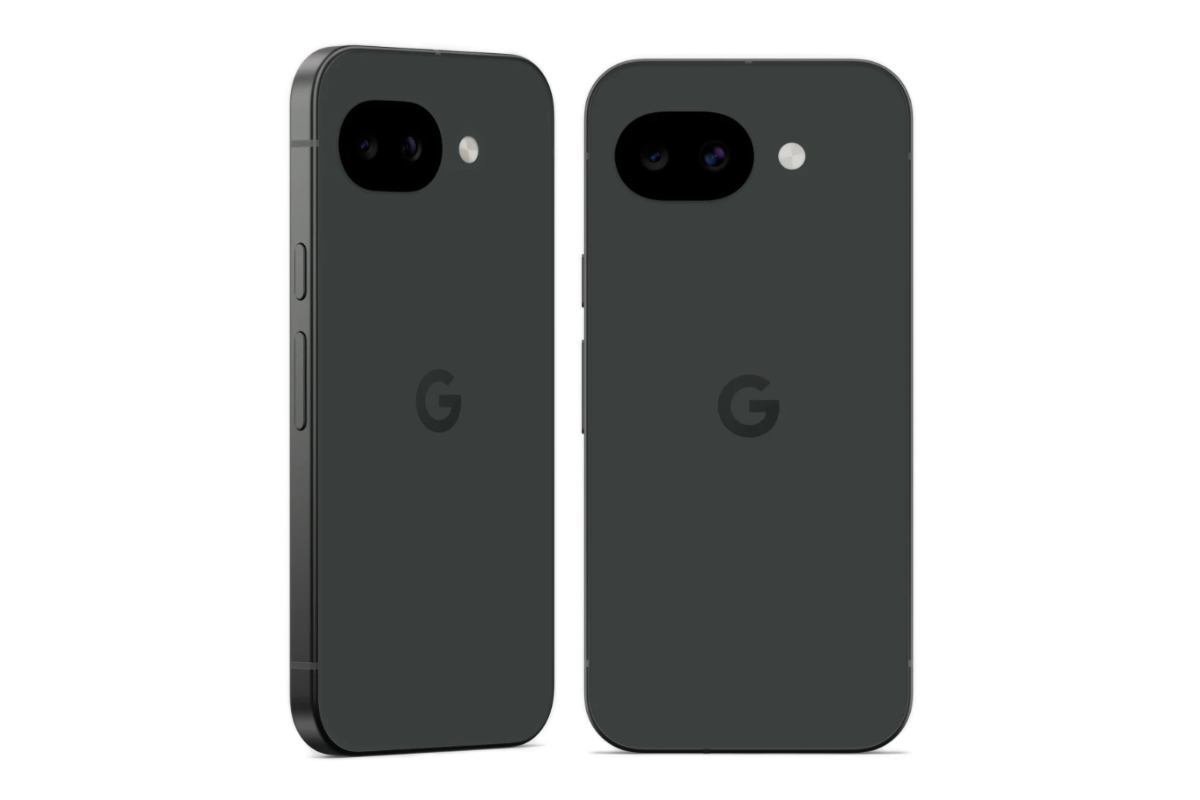
The first thing you notice is that Google has changed its signature look. The familiar Camera Bar that stretched across the entire back panel is now gone. What I genuinely like is the new camera module. It now sits completely flush with the body. I haven’t held the phone in my hands yet, but it looks like everything has been smoothed out. The phone shouldn’t wobble on a table while typing anymore.
The body now features full IP68 protection, and instead of the older Gorilla Glass 3, Google has switched to the newer Gorilla Glass 7i. That’s a significant step forward in terms of durability.
Display: Much More Interesting This Time
The Pixel 10a display has received several important upgrades that bring it much closer to flagship territory. Google has essentially narrowed the gap between its budget line and premium models — this is now a full Actua Display.
- Brightness (the main upgrade): Peak brightness now reaches 2000 nits. This means that even under direct sunlight, text and visuals remain clear and easy to read.
- Finally, true 120Hz: This ensures very smooth animations and scrolling. The phone feels faster than its raw specs might suggest.
- Materials and protection: The screen uses Plastic OLED (pOLED). This refers to the flexible substrate technology, which makes the panel thinner and more impact-resistant. The plastic base not only maintains vibrant colors, but also helps reduce bezel thickness slightly.
- Size: The 6.3-inch display hits the sweet spot — comfortable for one-handed use. The 2424×1080 resolution delivers a crisp and detailed image.
Google has finally stopped cutting corners on displays in its more affordable models. The difference between the standard Pixel 10 and the 10a is now much smaller.
Performance and AI Magic
At the heart of the device is the new Google Tensor G4 processor. It may not break synthetic benchmark records, but that’s not its main strength. Its real power lies in artificial intelligence. AI in Pixel smartphones isn’t just a feature — it’s the core brain of the device.
Here’s what AI can actually do in everyday use:
- Photo and video magic. Magic Editor lets you move a person in a photo or remove unwanted objects. Best Take swaps faces in group shots if someone blinked. Photo Unblur restores clarity to blurry images.
- Communication. Live Translate translates conversations and messages in real time without an internet connection. Call Screen can answer unknown numbers on your behalf.
- Audio tools. Audio Magic Eraser separates voices from background noise in videos.
- Resource optimization. AI “freezes” rarely used apps, freeing up system power.
Why does this matter? Previously, many of these features required an internet connection. Now Tensor G4 handles them directly on the device.
Cameras: Why Is It the Best Camera Phone for the Money?
Cameras are the heart of any Pixel. This year, Google focused on improved ergonomics and smarter processing. The 48MP main sensor combined with Google’s algorithms produces images that are hard to distinguish from professional shots.
- The camera module is completely flat. The phone no longer rocks on a table.
- Main sensor (48MP) with optical image stabilization (OIS) and a 13MP ultra-wide camera with a 120-degree field of view.
- Ultra-fast HDR+ processing, improved Night Sight (seeing better in low light), and Real Tone for natural skin tones.
- Sharp 2x–5x zoom shots without a dedicated telephoto lens thanks to Super Res Zoom.
- Real Tone. Google updated its algorithms to accurately capture a wide range of skin tones without washed-out or grayish faces.
- Cinematic Blur. Background blur in video now looks more refined, mimicking professional cinema cameras with smooth subject focus.
- Improved Night Sight. The Pixel 10a captures more accurate nighttime colors, avoiding the yellow tint from streetlights.
- Instant HDR+ processing. Press the shutter and within a fraction of a second you see the final image — no waiting.
Yes, these features are exactly why people value Google Pixel devices.
Battery Life and Record Software Support
The smartphone features a 5100mAh battery, 45W fast charging, and Qi wireless charging. What does that translate to? Around 30+ hours of regular use. Up to 120 hours (5 days) in Extreme Battery Saver mode. In real-world terms, that means a full day of heavy usage or one and a half to two days with moderate use. Will it always match those numbers? We’ll see.
With 45W charging, the phone can reach 50% in about 30 minutes.
Important: To achieve those speeds, you’ll need Google’s 45W USB-C power adapter (or a compatible PD charger), which is sold separately.
What Drains the Battery the Most?
1. The 120Hz, 2000-nit display
High brightness outdoors or constant scrolling at 120Hz can noticeably reduce battery life. Brightness is often a bigger drain than the processor itself.
2. Tensor’s characteristics
Google’s Tensor chips have never been the most energy-efficient under heavy load. Gaming or extended 4K recording can cause heat buildup, and once the device heats up, power consumption rises significantly.
3. Usage habits
- Work scenario: Messaging apps, email, and light browsing — it should comfortably last the day.
- Content scenario: Streaming YouTube over 5G or recording social media videos — the 5100mAh battery may run out by late afternoon.
4. Modem activity
In areas with unstable network coverage, the phone constantly searches for signal. This is one of the largest sources of battery drain. Even a large battery can’t compensate if the modem is working at full power.
That’s why 5100mAh feels like the new minimum for modern smartphones, especially camera-focused devices used heavily for photo and video.
The real standout feature, however, is software support: 7 years of security and OS updates, all the way to 2033. Many manufacturers are now extending support periods. Why? Maybe hardware innovation has slowed down. Maybe everyone is trying to catch up with Apple. That’s just my personal take. Longer support also means the device may retain its value better over time.
So what’s the final word on the battery?
- Display: 120Hz and 2000 nits are major power consumers.
- Processor: Tensor chips can heat up under load.
- Usage scenario: Heavy 5G streaming can drain the battery by evening.
- Modem: Poor signal increases power consumption significantly.
Should You Buy It?
The Google Pixel 10a offers a balanced package. You get a premium display, top-tier camera capabilities, and the latest software at around $499.
Official pricing in Europe:
- 128GB version — €549
- 256GB version — €649
Important pricing notes:
- Early launch promotions in several European markets allow buyers to get the 256GB version for the price of the base model.
- Google Store offers trade-in discounts for older devices, sometimes significantly reducing the final price.
- As expected, the 45W power adapter is not included and must be purchased separately.
This feels like a well-executed refinement that makes the Pixel 10a one of the strongest mid-range smartphones of 2026.
More interesting articles
Більше новин в телеграмі





One thought on “Google Pixel 10a: The New Mid-Range King We’ve Been Waiting For”