Huawei put a fan inside a smartphone — and it actually makes sense
Huawei is not trying to build “just another flagship.” Leaks about the Mate 80 Wind Chaser reveal a detail that explains the entire idea — a built-in cooling fan inside the корпус. This is not an accessory and not a gaming-only version. It is part of the core design.
Smartphones have been stuck with the same limitation for years. Performance keeps increasing, but after a few minutes of heavy use, it drops. Not because the chip is weak, but because of heat. That’s why active cooling no longer looks unusual — it looks overdue.
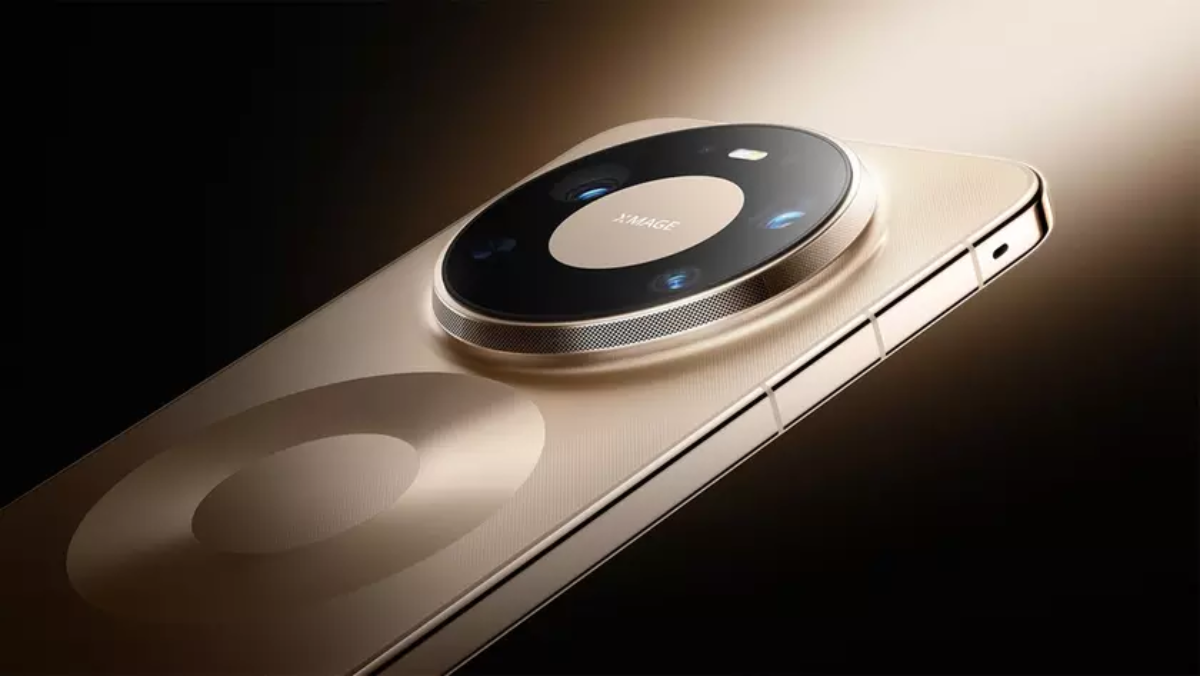
Mate 80 Wind Chaser doesn’t hide it — the camera gives it away
At first glance, the phone looks like a typical flagship. But the camera module changes that impression. Around it, there is a wide ring with fine perforation, and those holes are not decorative.
They are used to pull air into the device. This is the entry point for the entire cooling system. Inside, a compact turbine moves air through the body, pushing heat out instead of letting it build up.
- perforation around the camera is used for air intake;
- a compact internal fan moves air inside the device;
- the system works alongside traditional heat dissipation;
- heat is expelled instead of being trapped inside;
- cooling becomes partially open rather than sealed.
This is the key difference. The phone is no longer a sealed device where heat just spreads across components. It actively exchanges air with the environment.
Why this matters in real use
When a smartphone overheats, it doesn’t fail — it slows down. Clock speeds drop, frame rates become unstable, and the camera limits recording time. This happens even in expensive flagship devices.
With active cooling, the behavior changes. If temperature stays under control, the processor doesn’t need to throttle. That means consistent performance in situations where time usually becomes the limiting factor.
- games keep stable frame rates over time;
- video recording lasts longer without thermal limits;
- photo processing is not slowed by heat;
- AI features run more consistently;
- fewer sudden drops in performance.
The phone doesn’t reduce performance after a few minutes. Games don’t start lagging, and video recording doesn’t stop because of heat. It behaves the same at the start and after extended use.
But air is not the only thing entering the phone
Where there are openings, there is dust. This is not theoretical — it is a direct consequence of the design. Air always carries particles, especially outdoors or in urban environments.
Over time, dust can accumulate inside the device. This raises a practical question: what happens to the fan after months of use? Without filtration or protection, it becomes a potential point of wear.
- dust enters вместе with airflow;
- the device is no longer fully sealed;
- particles can settle on internal components;
- cooling efficiency may decrease over time;
- cleaning or protection becomes necessary.
Dust will build up inside the phone. It can reduce cooling performance and affect long-term reliability. The real question is how Huawei plans to deal with this.
The bigger concern — water and everyday use
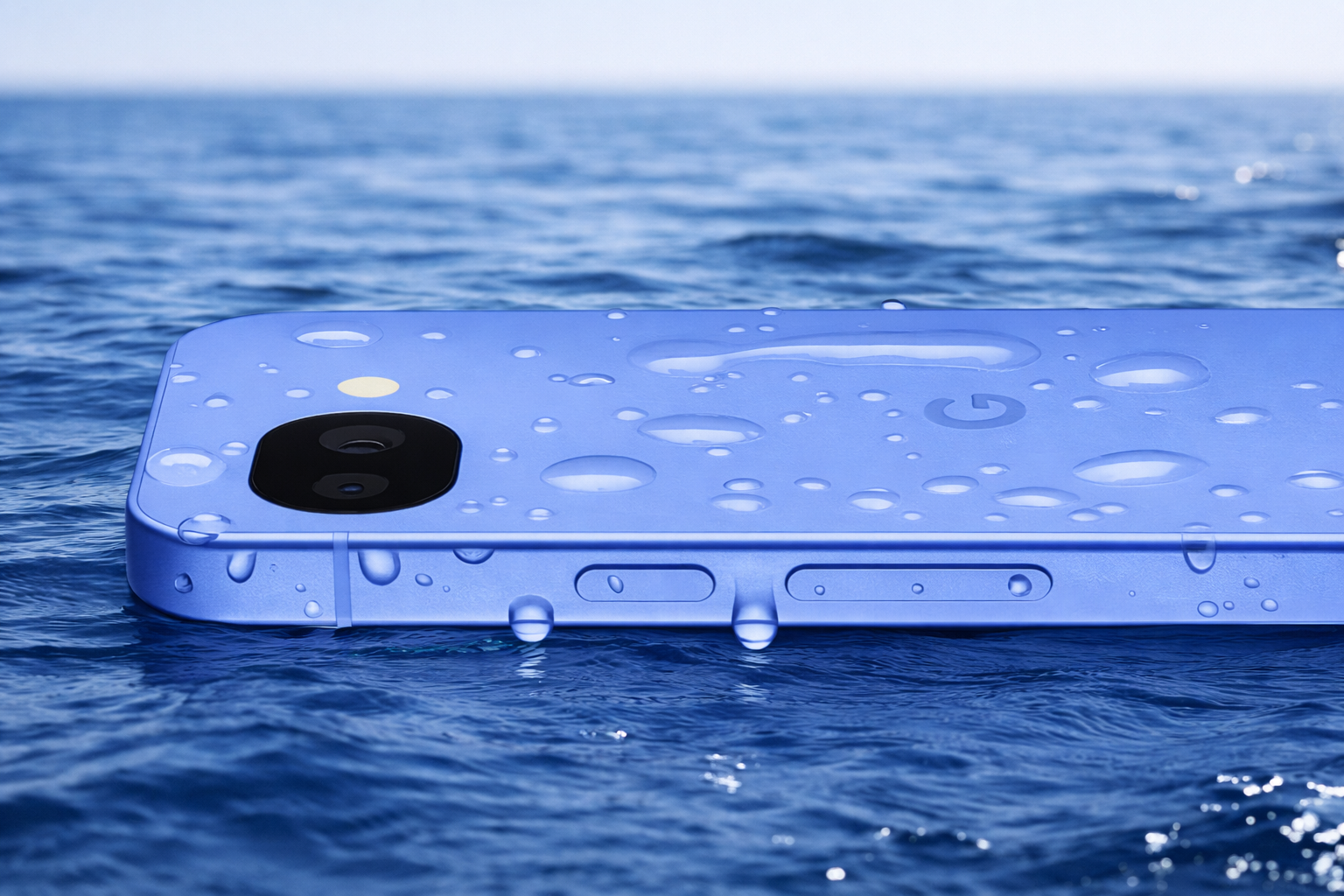
Modern flagship phones are built to be sealed. Water splashes, dust, and everyday exposure are usually not a problem. Ventilation openings change that completely.
Even if Huawei adds some level of protection, the design becomes more complex. Any opening in the body is a potential entry point for moisture. What matters is not the specification, but how it behaves in real conditions.
- ventilation complicates water resistance;
- the body is no longer fully sealed;
- reliability depends more on usage conditions;
- there may be limits in everyday scenarios;
- real-world durability becomes critical.
This doesn’t make the idea bad. But it introduces clear trade-offs that cannot be ignored.
Mate 80 Wind Chaser is solving a specific problem
This device is not about visual impact or gimmicks. It addresses a specific limitation — why flagship phones cannot sustain peak performance over time. The answer is heat, not processing power.
A fan is a simple solution that has been used in other devices for decades. Smartphones avoided it because of size and design constraints. Huawei is choosing not to avoid it anymore.
Whether it works depends on execution. But the idea itself is not random. That is why this device is already getting attention before its official announcement.
More interesting articles
Більше новин в телеграмі