While everyone’s busy arguing over whether the Pixel 11 Pro Fold’s smaller battery is a dealbreaker, Google quietly dropped something far more interesting — and it has nothing to do with foldable screens.
It’s called PhotoScan, and if it works the way Google says it does, your phone’s camera could soon tell you more about what’s happening inside your body than a $400 smartwatch strapped to your wrist ever could.
So what exactly is PhotoScan?
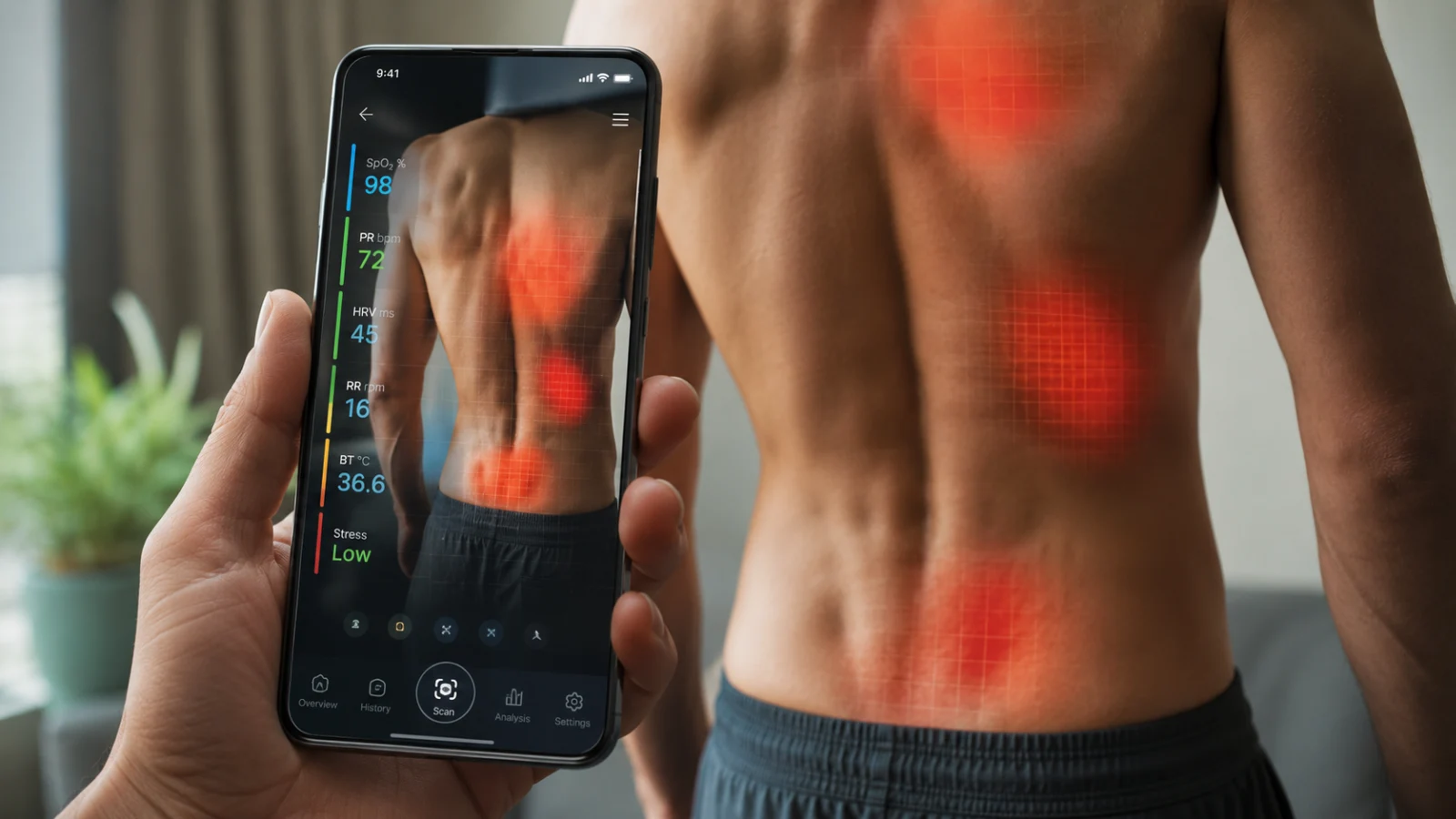
PhotoScan is a research project out of Google that uses AI to estimate your body composition — fat, muscle, bone — from nothing but a regular photo. No sensors. No wearable. No blood draw. Just your phone’s camera.
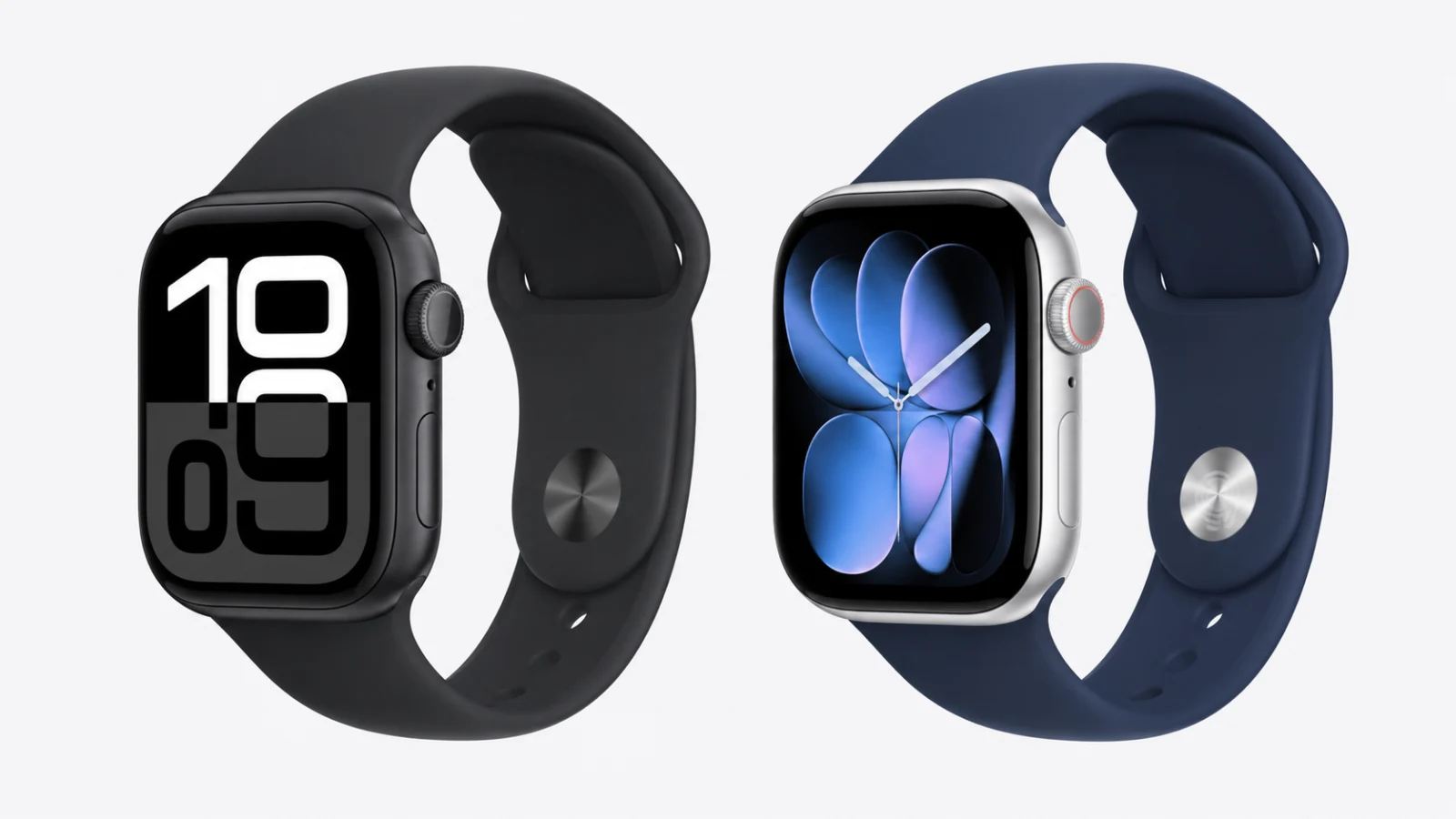
Google claims the accuracy comes close to a DXA scan, the gold-standard medical imaging test doctors use to measure body composition, and that it actually outperforms the bioelectrical impedance sensors built into devices like the Samsung Galaxy Watch Ultra 2 — the tech those watches use to estimate your body fat percentage right now.
That’s a bold claim. Here’s why it matters more than it sounds.
The number that should make you pay attention
An estimated 26.5% of adults worldwide are insulin resistant, according to a 2025 global systematic review — roughly one in four people on the planet, in some countries as high as 44-46%.
It gets worse when you look at younger adults. Research from the University of Alabama at Birmingham, using national health survey data, found that 40% of American adults aged 18 to 44 are insulin resistant — a group most people assume is too young to worry about it.
Zoom out further and the picture is even bigger: as of 2022, roughly 537 million adults worldwide were living with diabetes, a number projected to climb to 643 million by 2030. About 90% of those cases are type 2 diabetes — the kind that’s driven, in large part, by unmanaged insulin resistance.
Here’s the part that makes this dangerous: insulin resistance rarely comes with obvious symptoms in its early stages. You can feel completely fine while your body is quietly losing its ability to regulate blood sugar — until it isn’t fine anymore.
Who this could actually help
- People at risk who can’t afford regular lab work — a phone camera is free; DXA scans and blood panels aren’t.
- Anyone trying to lose fat or build muscle — instead of just watching a number on the scale, you’d see how your fat-to-muscle ratio is actually shifting.
- People without a smartwatch — unlike wrist-based sensors, PhotoScan doesn’t need any extra hardware at all.
- Older adults and people in physical rehab, who need to track muscle loss (sarcopenia), not just body weight.
- People in areas with limited healthcare access, where DXA machines exist only in major hospitals, if at all.
How Google says it actually works
Google trained the model by matching ordinary photos of people against real DXA scan results and other clinical data, then fed that dataset into a deep learning system. The AI learned to associate visual patterns in photos with the underlying body composition measurements from the scans.
According to Google’s researchers, the model reached what they describe as strong agreement with DXA results for body fat percentage — and showed similarly promising accuracy for predicting insulin resistance risk specifically.
What features this could unlock
PhotoScan isn’t a public product yet, but based on how Google describes it, here’s what it’s laying the groundwork for:
- Body fat percentage estimation — from a photo, with no scale or sensor required.
- Fat, muscle, and bone composition breakdown — a far more detailed picture than weight or BMI alone.
- Insulin resistance risk prediction — an early warning system before symptoms show up.
- Progress tracking over time — regular scans could show how your body is actually changing during a diet or training program.
- Integration with Google’s broader health tools — including Insulin Resistance Trends, a feature Google just launched on the Pixel Watch 5 as part of its new Health Guardian suite. PhotoScan looks like a natural extension of that same push, minus the requirement to buy a watch.
The catch
This is still a research project — Google hasn’t said if or when PhotoScan will actually ship as a feature on Pixel phones. The company’s own framing is careful: the research “demonstrates the feasibility” of estimating body composition from a smartphone camera, not that it’s ready to launch.
Still, given that Google has already started rolling out AI health tools on the Pixel Watch, PhotoScan showing up on a future Pixel phone doesn’t feel like a stretch. And if it performs anywhere close to what Google is claiming, it could end up mattering a lot more to a lot more people than whatever millimeter Google shaved off its next foldable.
Source: This article is based on reporting by TechRadar. Insulin resistance and diabetes statistics are cited from independent research sources, including a 2025 global systematic review and a University of Alabama at Birmingham study based on NHANES data. This article was translated into English with the assistance of AI.
Більше новин в телеграмі