
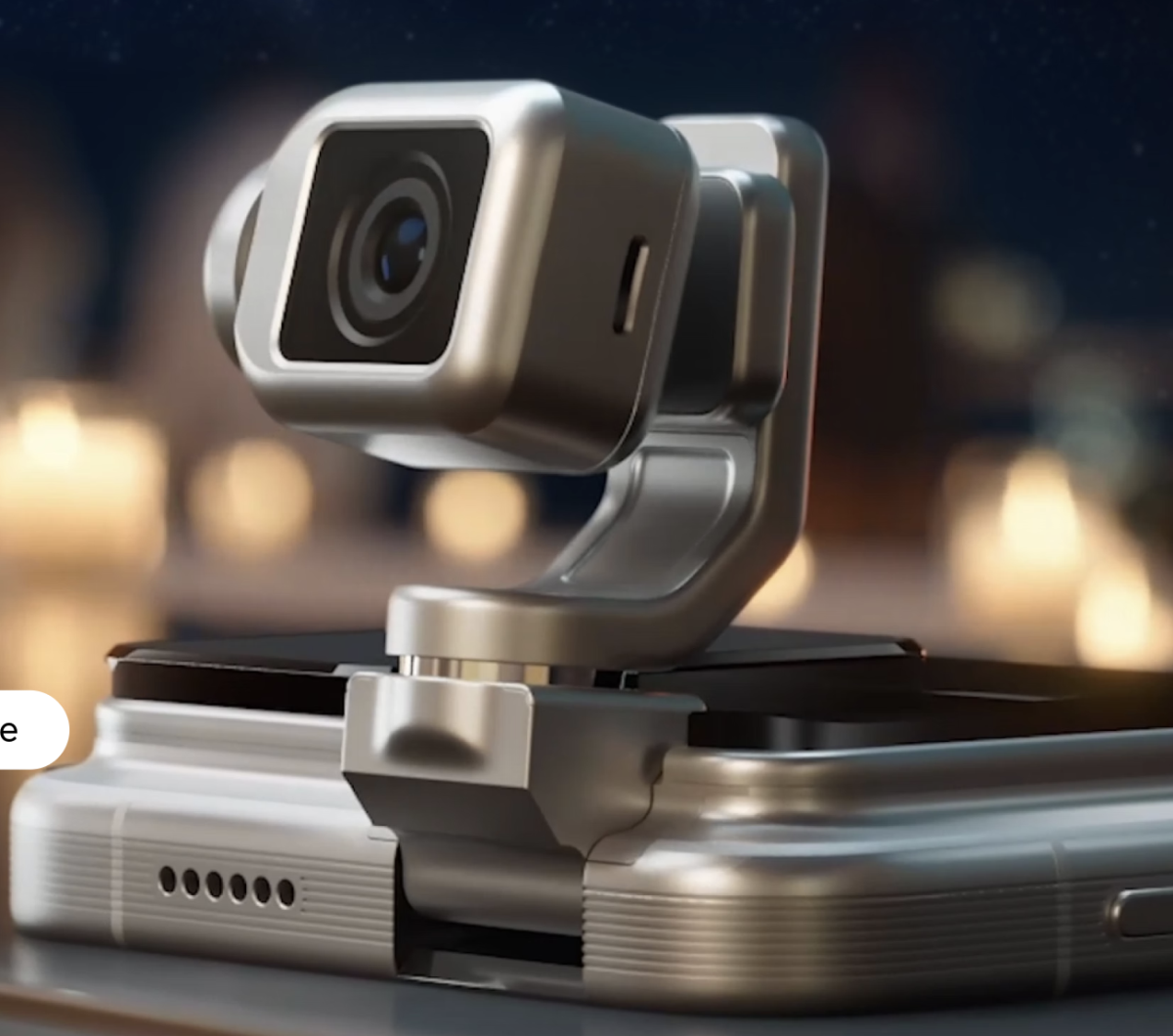
Honor Robot Phone at CES 2026: the smartphone where the camera became an AI robot
At CES 2026, didn’t bring a retail smartphone or even a finished concept, but a prototype that immediately sparked mixed reactions. Robot Phone looks like an attempt to bring physical movement back into smartphones — quite literally. While competitors rely on algorithms and AI image processing, Honor is showing a device where the camera actually moves in real space.
The company presented a smartphone that could, in the future, aim to become a universal filming device and possibly partially replace dedicated cameras — provided the software and functionality are developed properly.
What is Honor Robot Phone
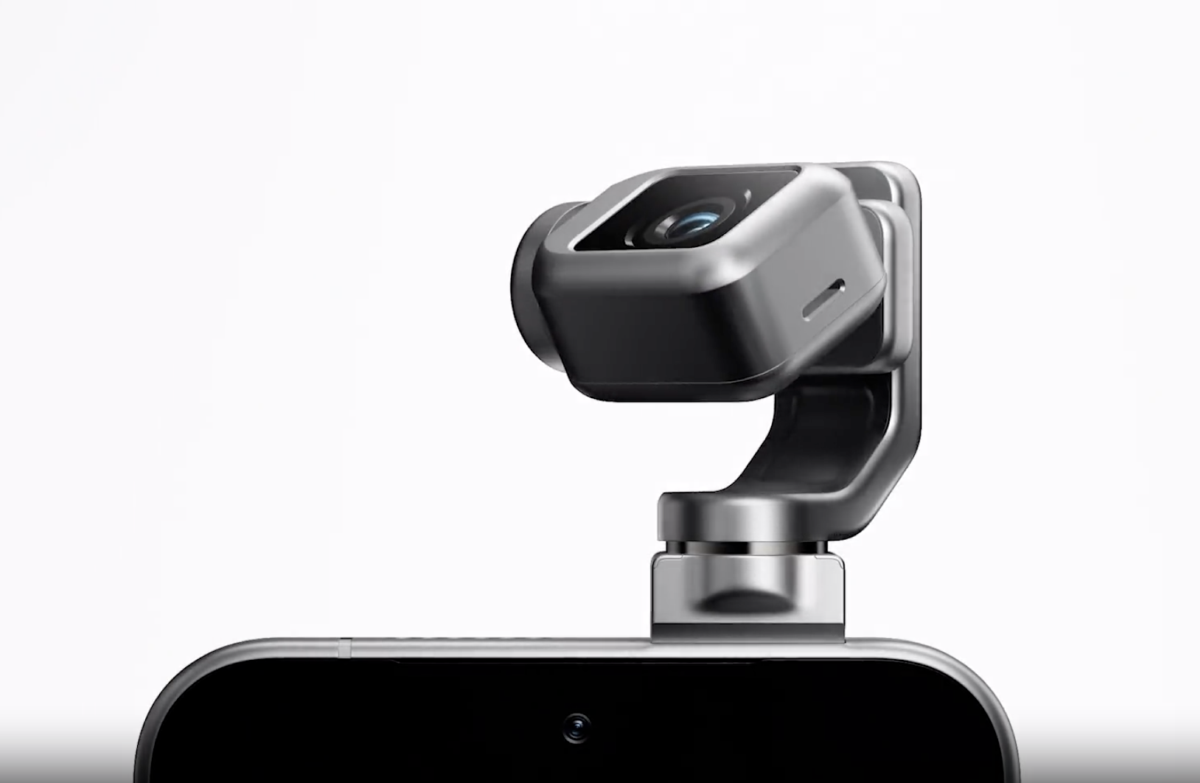
Honor Robot Phone is a prototype smartphone featuring a robotic camera mounted on a mechanical gimbal. The camera module is not fixed inside the body but placed on a moving platform that can change angles, rotate, and stabilize footage physically rather than purely through software.
This approach clearly sets it apart from most 2025–2026 flagships, where stabilization relies on a combination of OIS, EIS, and aggressive post-processing. Honor is effectively returning to the “mechanics plus optics” idea, long considered too complex for smartphones.
For users, this could mean a different level of video capture, especially while moving — but also new trade-offs in reliability, size, and power consumption.
Robotic camera: what it actually means
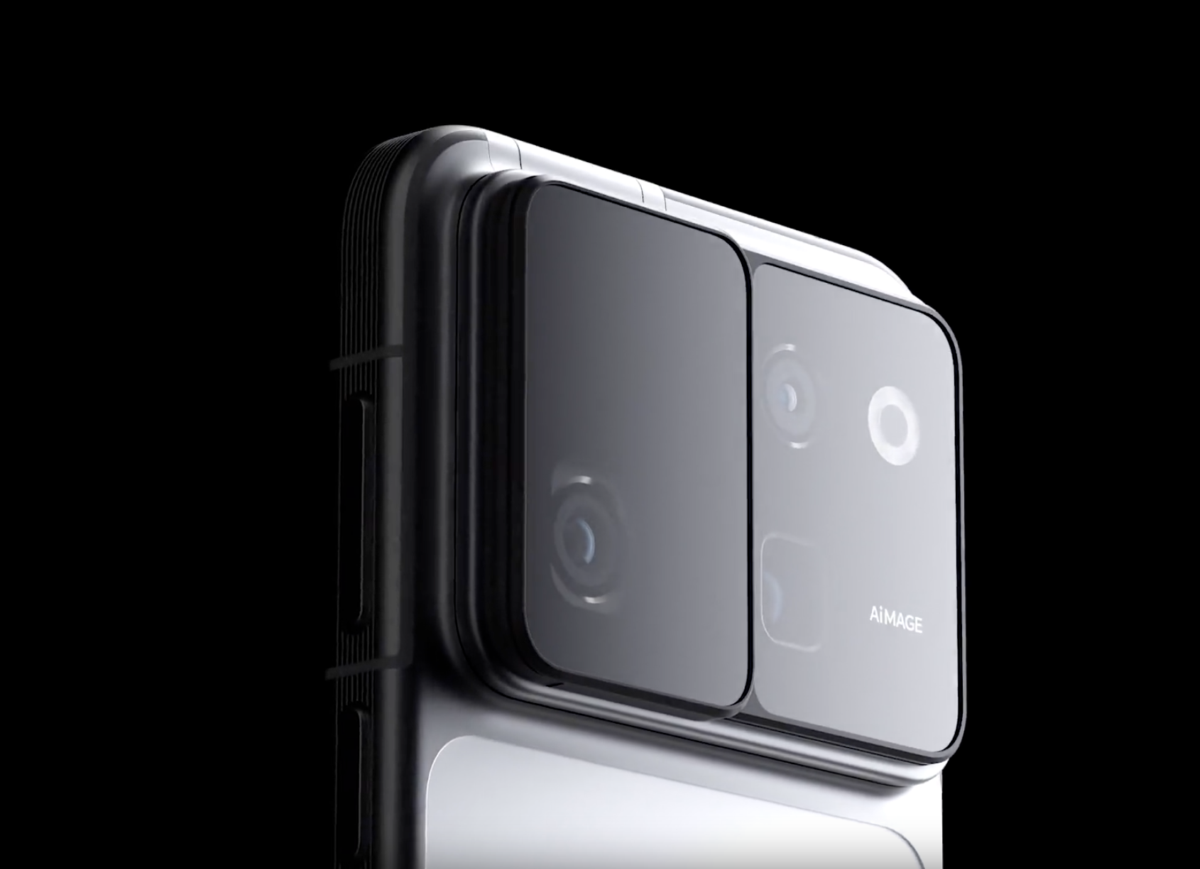
The core element of the device is a gimbal-mounted camera that can physically move independently of the phone’s body. Unlike traditional OIS, which compensates for micro-shakes, this system changes the camera’s position in space.
In practical terms, this could bring several benefits. First, more stable video while walking or shooting handheld without extra accessories. Second, automatic subject tracking even when the phone is placed on a table or used without a tripod.
At the same time, Honor did not demonstrate real-world performance in open testing. The prototype was displayed behind glass, making it impossible to evaluate response speed, mechanical noise, or tracking accuracy. The idea is compelling, but its real-world execution remains uncertain.
Specifications: what we know — and what we don’t
Honor deliberately avoids publishing a full list of technical specifications. There is no official information about the processor, camera sensor, video resolution, or battery capacity. This is typical for early prototypes, but it’s important to acknowledge what remains unknown.
Given the design, it’s reasonable to assume the device requires a powerful chip for video processing and tracking algorithms, as well as reinforced power delivery for moving components. This directly affects battery life, heat generation, and device thickness.
For users, the lack of specifications means one thing for now: it’s too early to judge Robot Phone as a complete smartphone. It should be viewed as a testing platform rather than an alternative to existing flagships.
Design and ergonomics: the cost of mechanics
A moving camera module inevitably complicates the design. The body appears bulkier than conventional smartphones, and the camera area draws immediate attention. This is clearly not a universal design for a broad audience.
From a practical standpoint, questions arise around dust resistance, water protection, and long-term durability. Every moving part is a potential point of failure.
That said, for a narrow group of users — video creators, vloggers, and those who shoot a lot of footage — this design could be justified if it genuinely replaces a gimbal or external camera.
AI and usage scenarios
Honor talks extensively about AI-driven scenarios, though details remain limited. These include automatic framing, human tracking, and adapting filming behavior for video calls, vlogging, and social media content.
If implemented well, this could result in a smartphone that effectively acts as its own camera operator. Without a live demonstration, however, it’s hard to judge how stable or practical this would be.
What’s next — and will there be a retail version?
CES 2026 served as a stage for showcasing an idea rather than a finished product. Honor may reveal a more complete version at MWC 2026, but even that would not guarantee a commercial launch.
The industry has seen many concepts that never made it beyond the prototype stage. Robot Phone should be viewed as a signal of the direction Honor is exploring.
If Honor proves the reliability and real-world value of its robotic camera, a new niche of video-focused smartphones could emerge. If not, Robot Phone will remain one of CES 2026’s most memorable experiments.
Editorial opinion
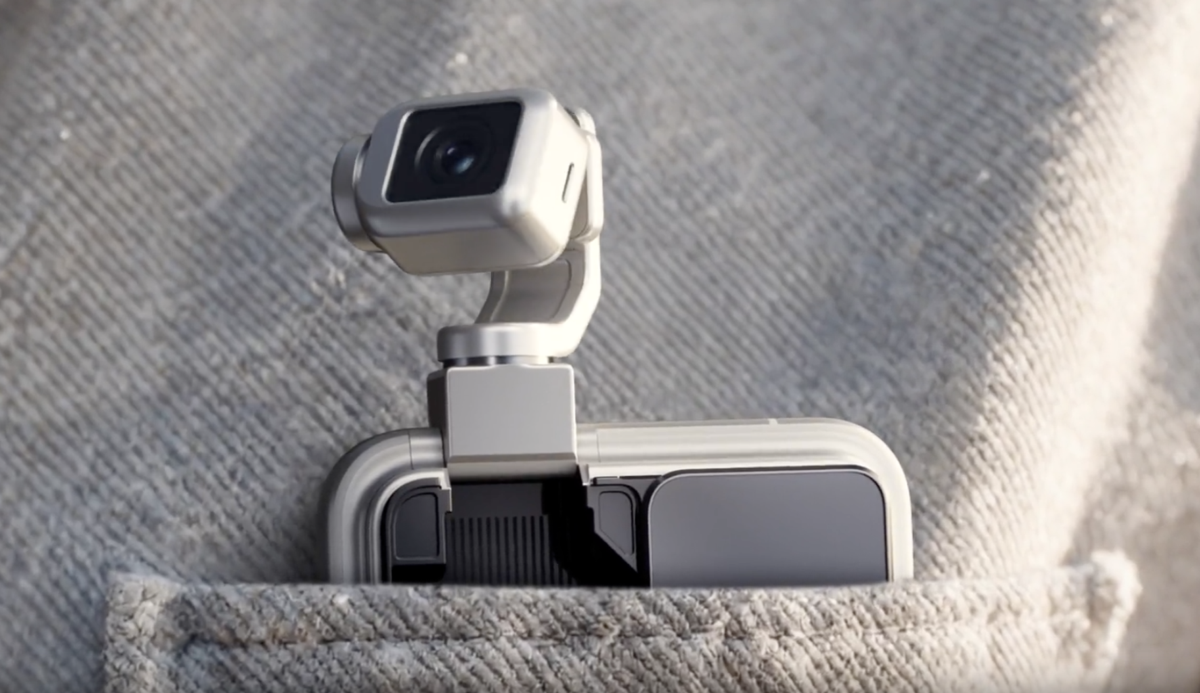
Judging by Honor’s promotional video, this is not just a pop-up camera. It’s a separate AI robot that physically emerges from the phone and appears to live alongside the user.
In Honor’s vision, the robot observes its surroundings, analyzes situations, follows people in a room, reacts to movement, and communicates via voice. In the video, it even acts as a baby monitor, responding when a child starts crying.
It’s important to note that all of this comes from a promotional video. These scenarios were not demonstrated live at CES 2026. This isn’t deception, but it isn’t a finished product either — it’s a vision.
Still, the idea feels genuinely interesting. Not because of flashy promises, but because of the approach: turning AI from a background feature into a physically present companion.
Would you want an AI robot like this living next to you — watching, listening, and reacting — or would that already feel like crossing a personal boundary?
Більше новин в телеграмі





One thought on “Honor Robot Phone at CES 2026: when a smartphone camera starts living next to you”