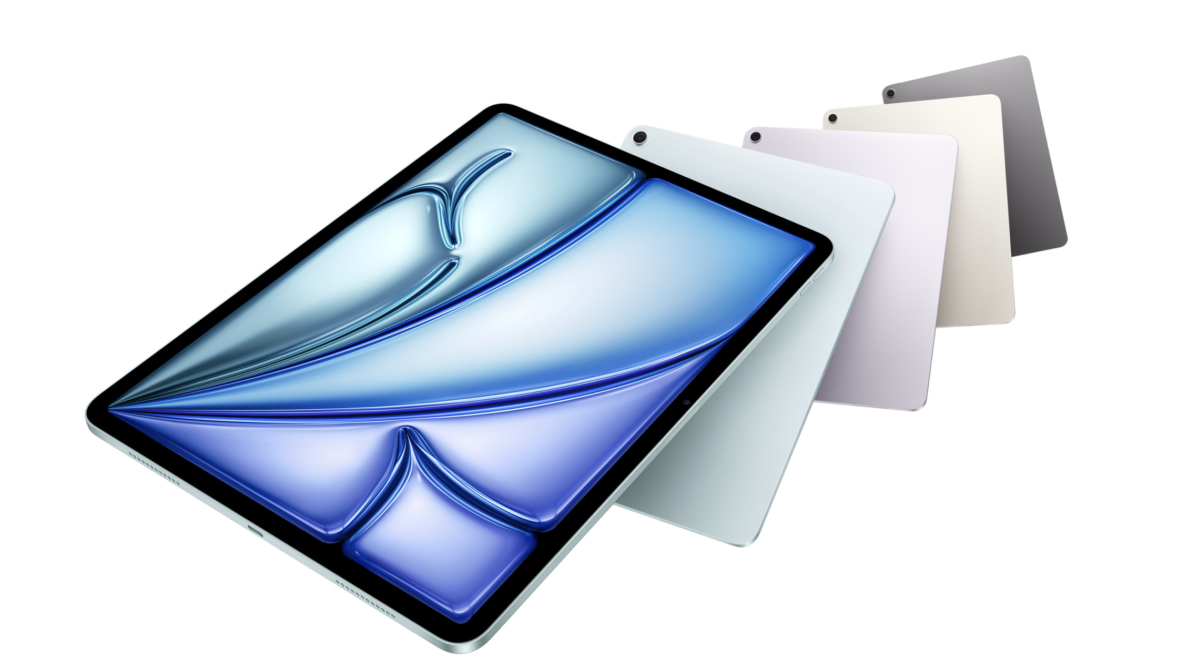
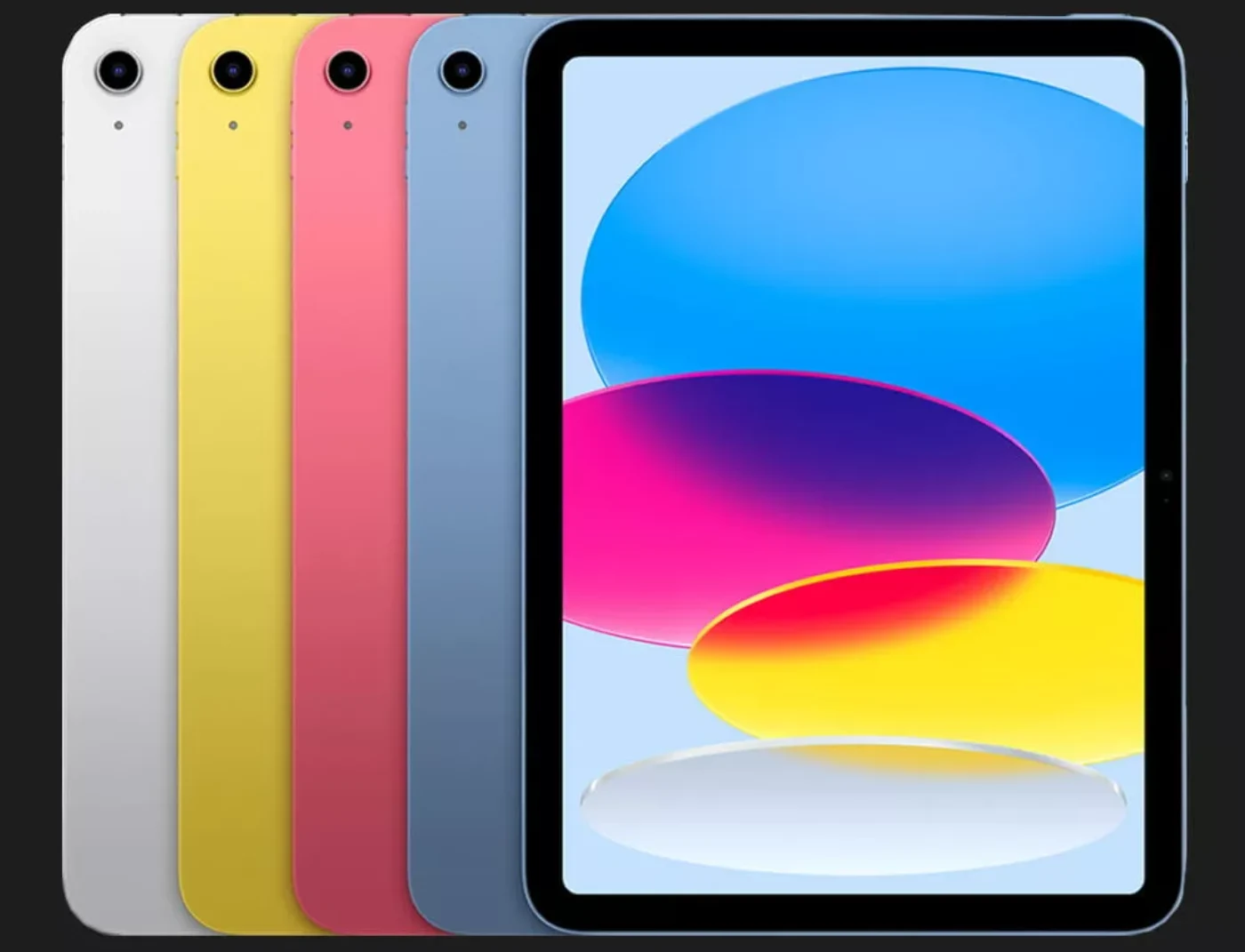
Apple’s entry-level iPad remains the company’s most popular tablet, and for good reason. It’s the device people rely on for almost everything—from writing professional scripts and conducting in-depth research to editing Reels and TikTok videos. It’s equally at home in classrooms, creative studios, and home offices, making it one of the most versatile tablets available. With an excellent balance of portability, performance, and price, the base iPad continues to appeal to students, professionals, creators, and everyday users alike.
How the Entry-Level iPad Performs in Everyday Work
Powered by Apple Silicon, the current entry-level iPad comfortably handles demanding mobile applications such as LumaFusion and other video editors, allowing users to edit social media content without slowdowns or lag on the timeline. Combined with iPadOS and support for the Magic Keyboard, it can easily replace a lightweight laptop for writing documents, scripts, and emails while remaining significantly more portable than a traditional notebook.
The tablet also excels in education and creative work. Thanks to the low latency of Apple Pencil, students can take handwritten notes naturally, while aspiring artists and designers enjoy a responsive drawing experience in apps like Procreate. This combination of hardware and software has made the basic iPad one of the strongest values in Apple’s lineup.
A18 Performance: What to Expect
Apple typically upgrades its entry-level devices by skipping a processor generation, which is why many expect the next base iPad to arrive this October with the A18 chip. The processor has already proven itself in the iPhone 16 series, delivering impressive speed, efficiency, and responsiveness.
Compared with the chips used in previous entry-level iPads, the A18 should offer a noticeable improvement in multitasking, web browsing with dozens of tabs, creative applications, and demanding productivity software. Users who keep their tablets for several years will especially benefit from the additional performance headroom, ensuring the device remains fast well into the future.
A Realistic Look at Apple Intelligence
As for Apple Intelligence, expectations should remain realistic. At this point, there is little reason to expect Apple’s on-device AI platform to become a defining feature of the next entry-level iPad. In practice, this changes very little for most users because they already rely on cloud-based AI services.
Whether you use ChatGPT, Claude, Gemini, or other web-based AI assistants, they continue to work independently of the tablet’s hardware limitations. For writing, research, coding, brainstorming, and everyday productivity, browser-based AI tools remain just as capable, making the absence of Apple’s own AI ecosystem far less significant than marketing might suggest.
The Future of the Entry-Level iPad
Ultimately, the next entry-level iPad looks set to become exactly what many users want: a reliable, powerful tablet that simply gets the job done. If it launches with the A18 chip, buyers can expect faster performance, greater longevity, and enough computing power to handle creative, educational, and professional workloads for years to come.
We’ve already seen what the A18 can achieve inside the iPhone, and in the larger thermal envelope of an iPad, the chip could feel even more capable. For anyone planning to upgrade in late 2026, the next base iPad has the potential to become one of Apple’s best-value devices once again.
Більше новин в телеграмі