
Android 17 Beta 1 has officially launched, and this is more than a cosmetic update. Google is refining Android’s core system logic, tightening permission controls, adjusting the interface, and preparing the platform for the next wave of smartphones expected in 2026. Here’s a breakdown of the confirmed changes in Android 17 Beta 1 — without speculation or exaggerated claims.
Android 17 Beta 1: What Has Actually Changed
The first Android 17 beta focuses on more than visual tweaks. Google continues to evolve Material You, optimize background data access, and improve overall system stability. This update builds on previous Android versions where the company emphasized security, energy efficiency, and stronger privacy control.
Android 17 Beta 1 introduces refinements to system panels, updated developer APIs, and adjustments to how media file access is handled. Google is also continuing its optimization for foldable devices and large-screen formats, which remain important for modern flagship smartphones.
- updated system interface elements and controls;
- expanded privacy settings and app permission management;
- new Android APIs for developers;
- improved background access handling for photos and videos;
- early-stage system stability improvements.
This is not a radical redesign but a structural refinement of Android 17. Google is reducing hidden permissions and strengthening user-level control over system behavior. For developers, this means additional requirements when adapting applications to the new version.
Privacy and Security: What Google Is Strengthening
Android 17 continues the shift toward stricter permission management. In earlier releases, Google limited background access to location, files, and microphones. Now the system further refines how applications interact with media content and local storage.
The platform is gradually becoming more controlled at the system level while maintaining flexibility for developers and enterprise users. The goal is to reduce potential abuse of background processes without restricting legitimate functionality.
- more precise control over photo and video access;
- new background operation rules for apps;
- optimized permission handling for third-party services;
- improved integration with enterprise security policies.
These adjustments are particularly relevant for banking apps, business environments, and devices running work profiles. Google aims to minimize the risk of unauthorized data access. In the final Android 17 release, security could become one of the most defining aspects of the update.
Android 17 Interface: Are There Visible Changes?

- Android 17. Image credit: Sanuj Bhatia / Android Central
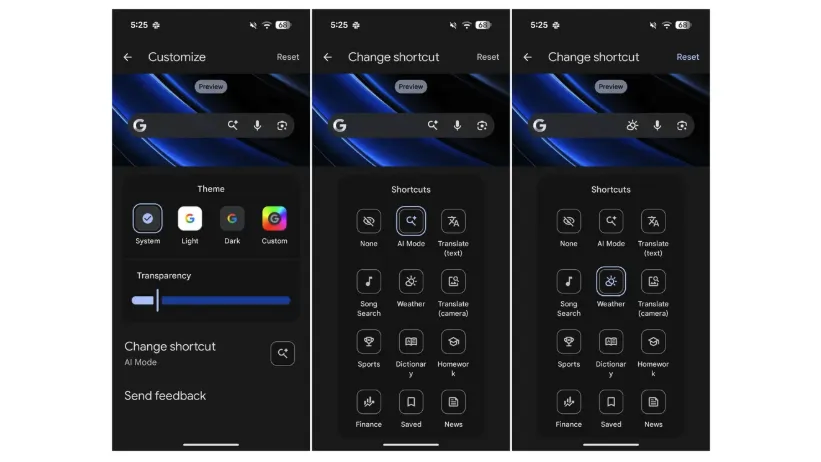
There is no dramatic visual overhaul in the first beta. However, adjustments are noticeable in quick settings behavior, navigation logic, and animation tuning. Google continues refining Material You and adaptive interface consistency.
Special attention has been given to large displays and foldable devices. Android 17 further improves layout scaling and multi-window behavior for fold, flip, and tablet form factors.
- refined quick settings panel logic;
- improved adaptation for large screens;
- animation and transition adjustments;
- multi-window and multitasking optimization.
These refinements may seem subtle but directly affect daily interaction with the system. Android 17 is becoming more cohesive in both visual and functional behavior. Google is clearly focused on long-term consistency rather than dramatic redesign.
Availability and What to Consider Before Installing
Android 17 Beta 1 is primarily available for Google Pixel devices enrolled in the Android Beta Program. Other manufacturers are expected to join the testing cycle after further stabilization.
Installing a beta version always carries risk. Users may encounter system instability, increased battery drain, or compatibility issues with certain applications.
- potential system bugs;
- incompatibility with some apps;
- risk of data loss without proper backup;
- higher battery consumption during testing stages.
Android 17 Beta 1 is intended for developers and advanced users. It is not recommended for a primary device. The stable Android 17 release is expected later this year.
Android 17 Beta 1 outlines Google’s strategic direction for 2026. The company continues strengthening security, optimizing background processes, and adapting Android to new device formats. While additional features may arrive in the final build, the overall direction of the platform is already clear.
Source reference: TechRadar
Більше новин в телеграмі