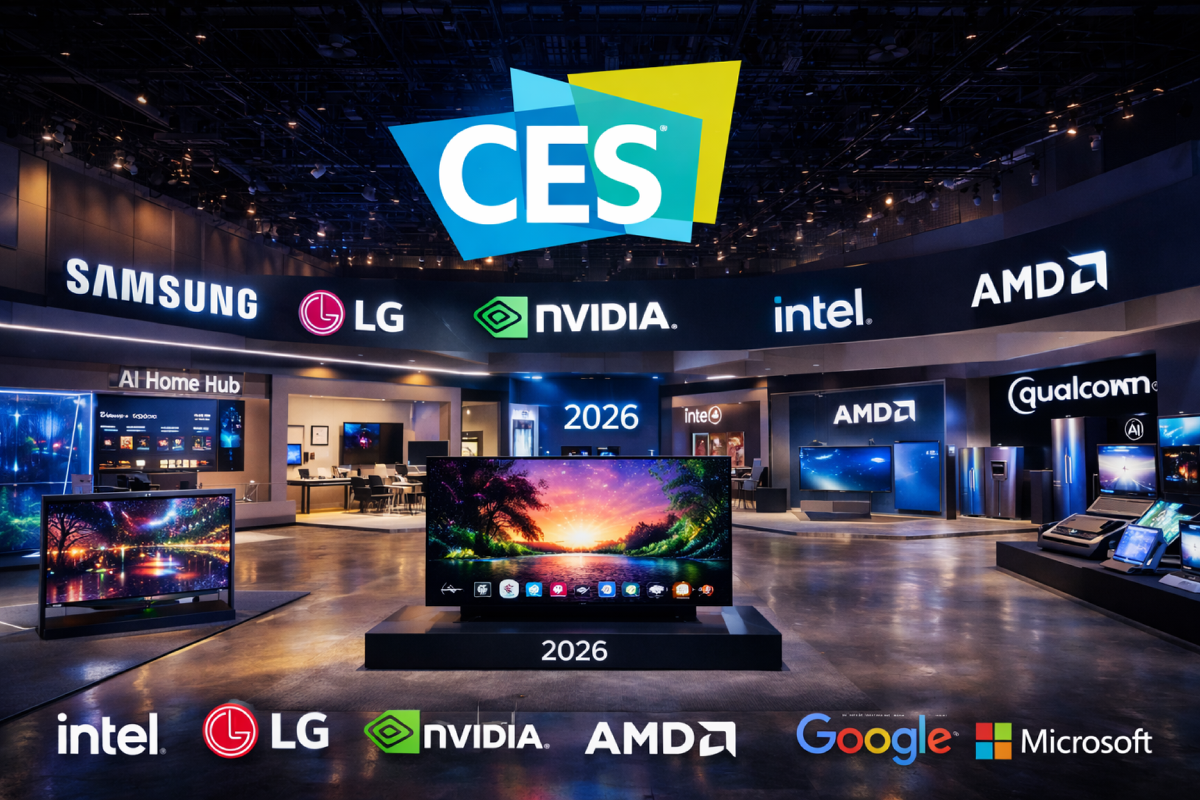
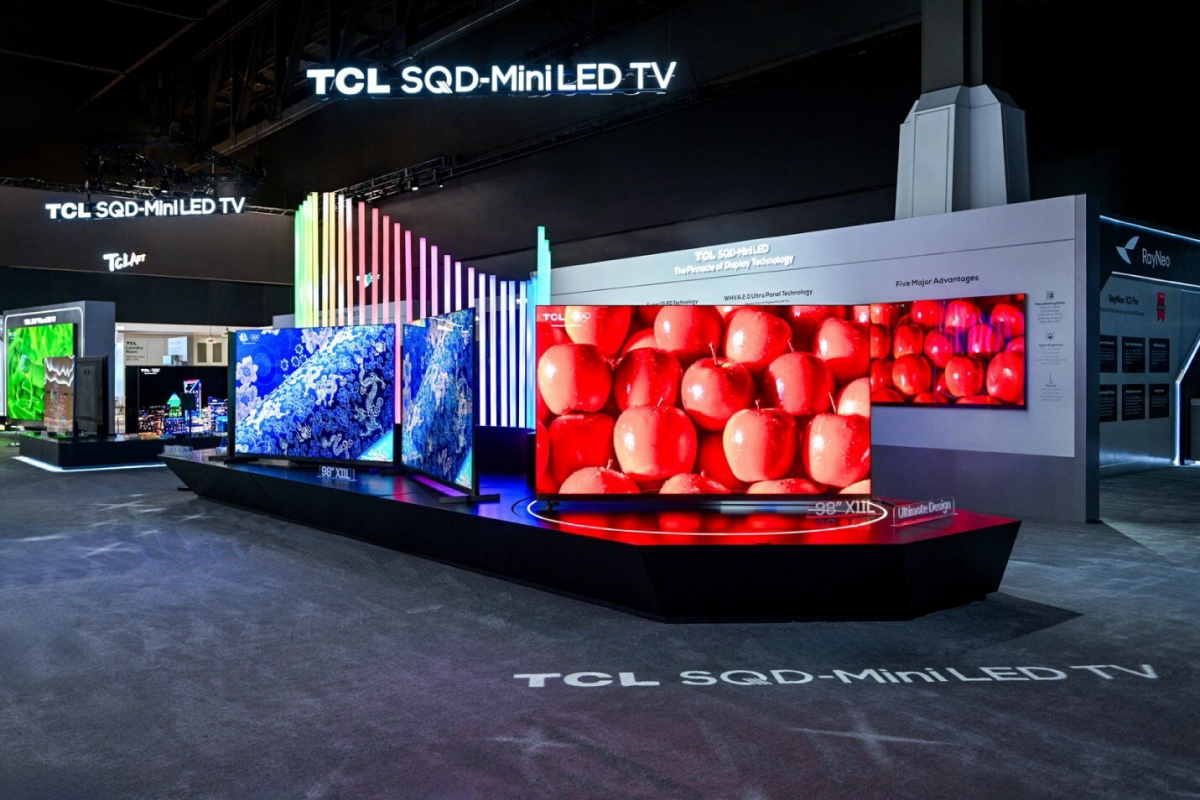
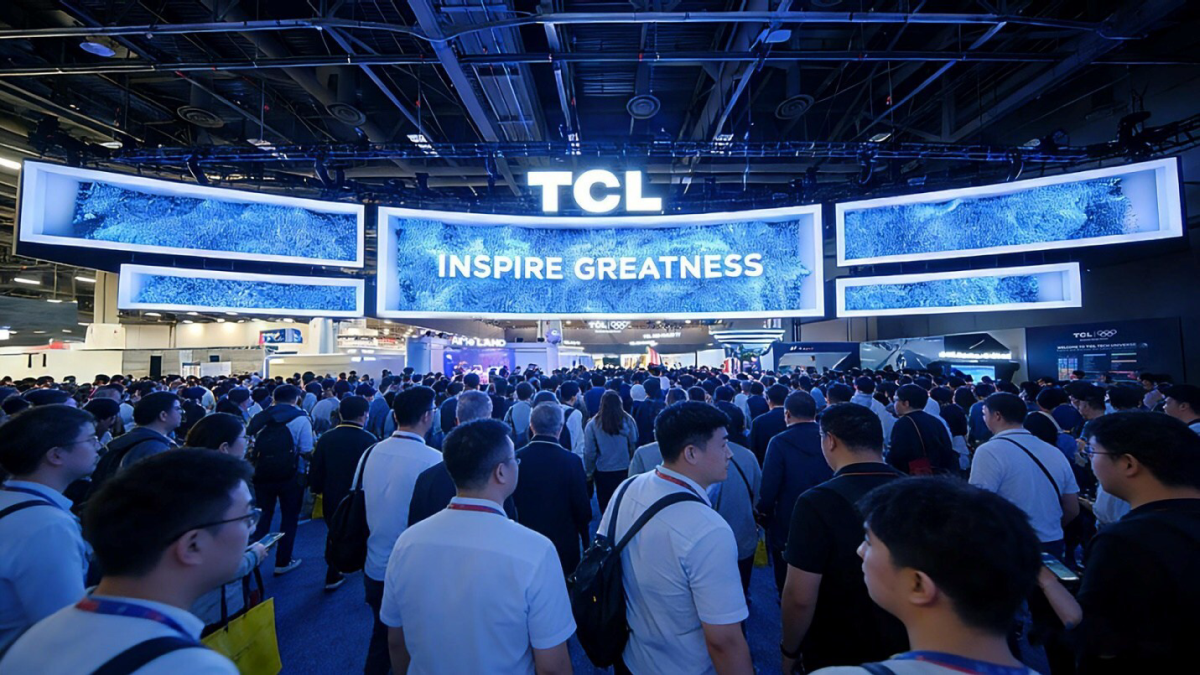
At CES 2026, TCL focused not on individual gadgets, but on fundamental technologies. The company introduced the breakthrough SQD Mini-LED display platform and outlined how artificial intelligence is gradually becoming the foundation of the smart home ecosystem rather than just an additional feature.
The presentation focused on image quality control at the level of materials and manufacturing processes, as well as the integration of AI into everyday life scenarios. TCL clearly demonstrates that its strategy for the coming years is built around stability, scalability, and real value for the home.
SQD Mini-LED: what TCL has changed in Mini-LED
SQD Mini-LED is not a new backlight format as such, but an evolution of Mini-LED where control over quantum materials plays a key role. TCL defines SQD as Super Quantum Dot, emphasizing that quantum dots are integrated directly into the Mini-LED structure rather than used as a separate filter.
This approach allows for more precise control of light output and reduces brightness and color losses that occur in traditional Mini-LED implementations.
- integration of quantum dot directly into the Mini-LED structure;
- higher brightness stability during long-term use;
- improved color purity without aggressive calibration;
- lower light loss compared to traditional QD filters.
Essentially, TCL is addressing a long-standing Mini-LED challenge — maintaining consistent image quality as brightness levels and the number of dimming zones increase. SQD Mini-LED appears to be a step toward more predictable performance.
Manufacturing control as part of image quality
TCL places special emphasis on vertical integration. The company manufactures key components in-house, including panels, quantum materials, and backlight systems. This allows TCL to control not only the final product, but every stage of display production.
At CES 2026, TCL explicitly stated that SQD Mini-LED is the result of restructuring the entire production chain, not just a single update.
- in-house production of display panels;
- quality control of quantum materials;
- reduced variation between TV production batches;
- better scalability for the mass market.
This approach may not be immediately visible to consumers, but it ultimately determines how stable image quality will be after years of use.
AI-driven smart living: the smart home as a system
Alongside displays, TCL presented its vision of AI-driven smart living. This is not about individual AI features, but about an architecture in which TVs, home appliances, and services operate as a unified system.
Artificial intelligence analyzes context rather than relying solely on voice commands or isolated user actions.
- adaptive image and sound based on room conditions;
- automatic scenarios for viewing, working, and relaxing;
- TV integration into the smart home ecosystem;
- background AI without constant user interaction.
This approach aligns with a broader CES 2026 trend: AI should be almost invisible, yet helpful in the small details that shape everyday comfort.
Why TCL is focusing on Mini-LED instead of only OLED
Despite OLED’s popularity, TCL openly states that Mini-LED remains a strategic technology for large screen sizes and bright environments. SQD Mini-LED aims to combine the strengths of Mini-LED and quantum dots without typical compromises.
TCL positions SQD Mini-LED as an alternative to OLED in scenarios where peak brightness, longevity, and price control are critical.
- higher peak brightness for bright rooms;
- lower risk of degradation during long-term use;
- better scalability for large screen sizes;
- more flexible pricing in the mass market segment.
This is not an attempt to “defeat OLED,” but a pragmatic choice of technology for different usage scenarios.
What TCL’s announcement means for the market
CES 2026 presents TCL as a company thinking in platforms rather than model lineups. SQD Mini-LED appears to be a technological foundation for several years ahead, while AI-driven smart living is an attempt to connect all devices into a unified logic.
For users, this means simpler operation, more consistent quality, and fewer manual adjustments.
TCL makes it clear: the future of TVs and smart homes lies not in headline specification numbers, but in controlled technologies that perform reliably every day.
Більше новин в телеграмі