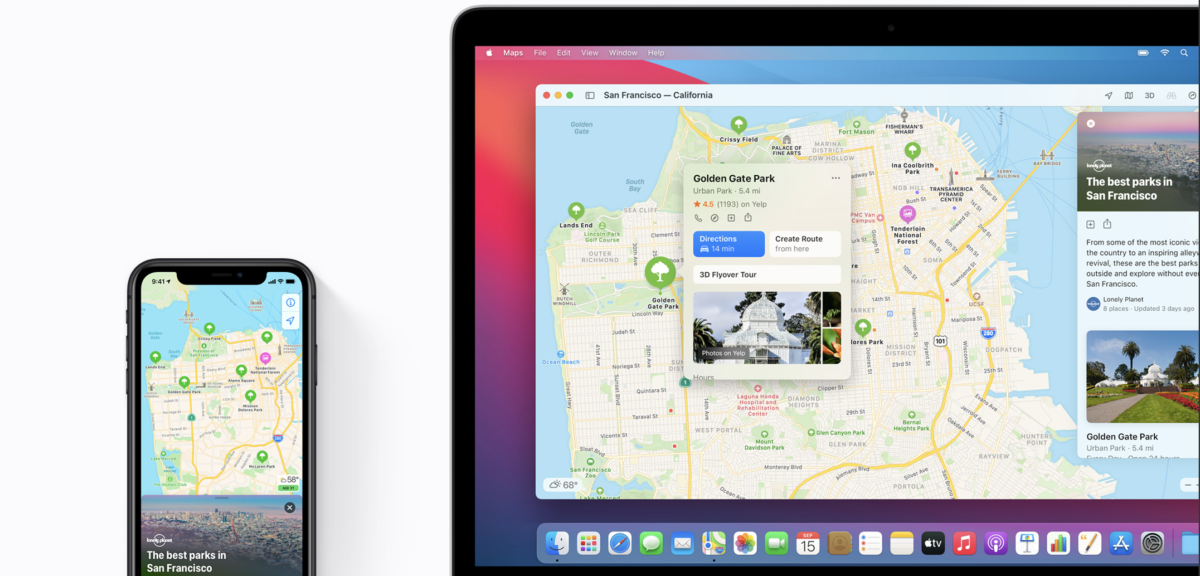
Apple Maps becomes a Google clone: sponsored results debut in iOS 26.5
We don’t buy iPhones for the megapixels or the gigahertz. We buy them for the illusion that in our digital lives, there is a sanctuary—a private corner where no one is trying to sell us something while we’re just trying to find our way. For years, Apple sold “sterility” as a status symbol. But in iOS 26.5 beta 2, that sanctuary has started to look like a billboard-plastered subway station.
The introduction of ads in Apple Maps isn’t just a “new monetization feature.” It’s the moment a corporate Excel spreadsheet of profit margins finally defeated the designer who spent months perfecting a single icon. It marks the shift from a product-first company to a services-first corporation where the user’s attention is the most valuable currency on the balance sheet.
I know what I’m talking about. I’ve personally removed ads from my own media projects because they stop people from breathing. You’re trying to find a path to the nearest coffee shop, and the system shoves a “sponsored result” in your face because someone paid for that spot. Instead of making the user’s journey shorter and simpler, Apple is intentionally creating visual noise that you now have to navigate around. It’s a step back for the entire “craft” web philosophy.
In Cupertino, they are once again trying to reassure us with “privacy,” claiming this data isn’t tied to your Apple ID. But let’s be honest: what does it matter if the algorithm knows my name if it has already ruined my interface? When we discussed the MacBook Neo, we called it an honest tool for the money. Ads in Maps are not about honesty. They are about turning a premium device into a marketing platform. If this trend isn’t stopped, our “magical” Apple ecosystem will soon become as “plastic” and cluttered as everything else on the internet.
Tech Insights in Your Inbox
“Anonymous” Noise: When Privacy Becomes an Excuse
The most interesting part of this story is how Apple is trying to “sell” us this noise under the guise of privacy. In the system notification for iOS 26.5 beta 2, they explicitly state: “Your advertising data is not linked to your Apple ID.”
It sounds like a soothing pill, but in reality, it’s a classic bait-and-switch. They are effectively saying: “We’re going to clutter your map and distract you, but don’t worry—we’re not recording your name while we do it.” But for the user, the result is the same: the interface is compromised.
When I’m behind the wheel and need to find a turn quickly, I don’t care how “anonymously” a chain coffee shop is being pushed to me instead of the location I actually need. It’s still a barrier between me and my destination. Apple used to pride itself on removing friction. Now, they are creating it, then bragging about doing it “privately.” It’s like a waiter interrupting your dinner to sell you a dessert you didn’t ask for, but promising he doesn’t know your credit card number.
It’s reminiscent of modern websites where you can only see 20% of the actual content between banner ads. I walked away from Google AdSense for this very reason—it kills the “craft” of content and degrades the user experience. The same thing is happening to iOS. Apple Maps is transforming from a reliable utility into another marketplace for trading your attention.
Apple Business Connect: When “Supporting Business” Becomes the Client’s Problem
Everything is wrapped in a shiny package called Apple Business Connect. The pitch is that it helps local businesses gain visibility. But did we really ask for this kind of “help”?
In 2026, productivity is the ability to get a result instantly. When I open my MacBook Neo, I expect it to just work. When I open an iPad for creative work, I want to see content, not “sponsored suggestions.” By bringing ads into Maps, Apple is effectively admitting they can no longer surprise us with hardware innovation, so they’re going to monetize our eyeballs instead.
This is a dangerous path. Today it’s Maps. Tomorrow, is it sponsored iMessages or ads in Siri settings? This is the very degradation we tried to avoid by choosing a closed, premium ecosystem. Instead of being a “magical” partner, Apple is starting to act like a free service for which we’ve already paid full price. It feels like a betrayal of the very principles of purity they’ve promoted for decades.
The US Market: Why This Hits Differently and How it Differs from Google
For users in the United States, the rollout of iOS 26.5 ads marks a fundamental shift in the domestic tech landscape. As the first market to see these “sponsored results” at scale, American consumers are the primary test subjects for Apple’s new revenue model. With Apple Business Connect now fully integrated into the local map stack, your search for a “diner” or “EV charger” will prioritize those with the largest ad spend rather than the highest ratings or proximity.
The Real Difference Between Apple and Google Maps
While both are now ad-driven, the experience remains distinct in a way that highlights Apple’s current struggle:
- Google Maps: It knows your entire history—your commute, your coffee habits, and your frequent stops. Its ads are a surgical strike based on a massive personal profile. You expect it because the service is “free.”
- Apple Maps: It acts blunter. It simply sees that you are in a specific zip code searching for “lunch” and shoves an ad in your path. It’s less personalized, which Apple calls “privacy,” but it results in even more irrelevant visual clutter.
For the American user, who already lives in one of the most heavily advertised environments in the world, the iPhone was once a quiet escape—a premium digital home. That escape is ending. Apple is no longer just selling you a phone; they are selling access to you.
Can You Turn it Off?
The pragmatic answer is frustrating: you cannot fully block sponsored results in the map search. It is now baked into the code of the application. However, you can limit the tracking by going to Settings -> Privacy & Security -> Apple Advertising and toggling off “Personalized Ads.” While this won’t remove the ads themselves, it stops the system from using your location history and behavior to target you, making the ads slightly more generic and the experience marginally less intrusive.
Conclusion: The arrival of ads in Maps is a signal that the era of clean, premium interfaces is under siege. For someone building “crafted” media, it’s a reminder that the future belongs to services that respect the user’s eyes. True productivity in 2026 isn’t about “smart” suggestions or sponsored shortcuts. It’s about the absence of everything unnecessary between you and your goal. We must remain masters of our devices, not their product.
Більше новин в телеграмі