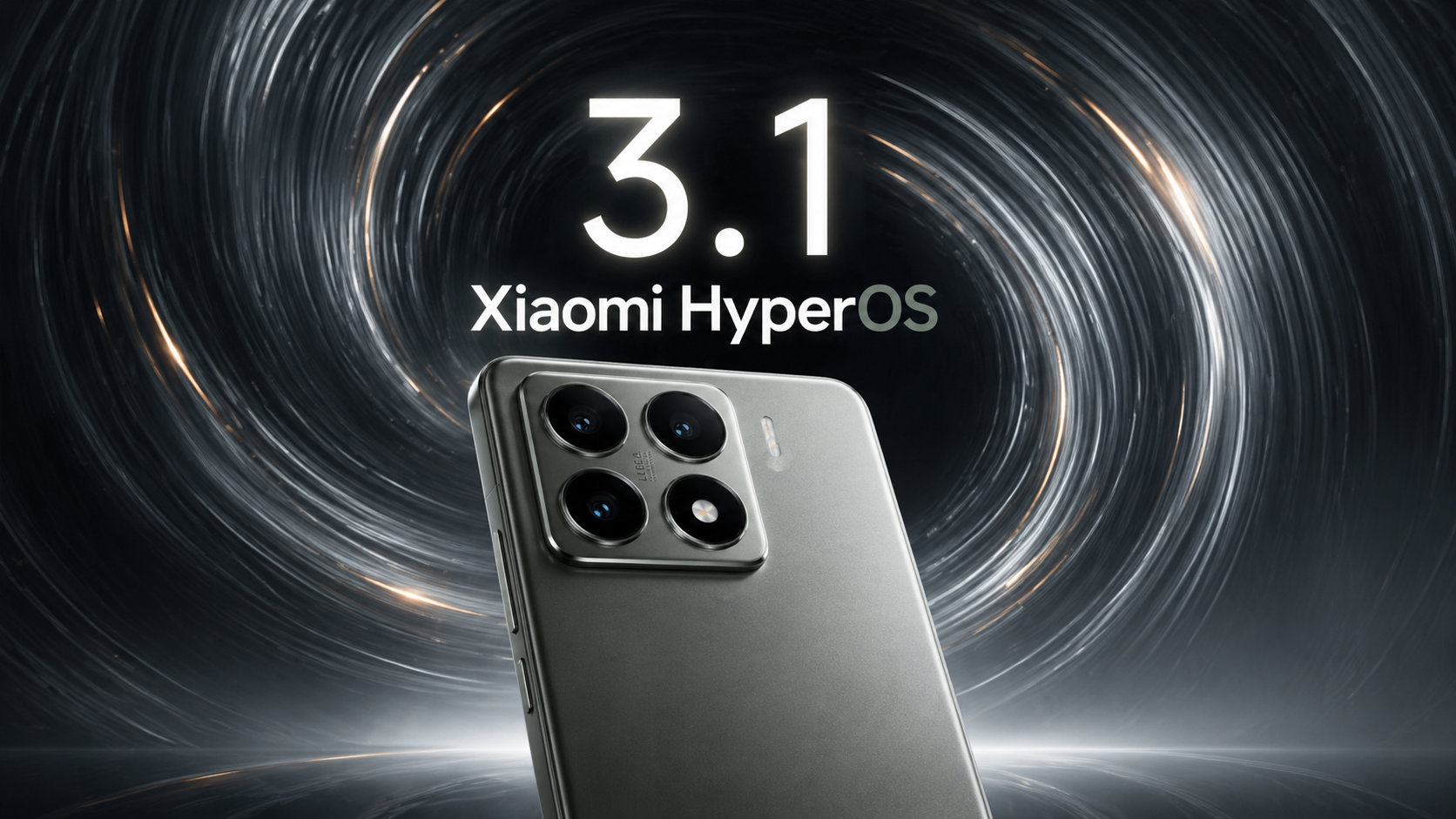
Xiaomi has begun rolling out stable HyperOS 3.1 based on Android 16 to European users of the Xiaomi 15 flagship, bringing architectural changes powered by Rust and deep compatibility with Apple devices.
Xiaomi 15 on Android 16: what HyperOS 3.1 brings to Europe
European users of the Xiaomi 15 (codename dada) have started receiving the stable HyperOS 3.1 update built on Android 16 (build OS3.0.301.0.WOCEUXM). This update is notable because developers moved away from purely visual effects and focused on code stability and deep integration with other systems.
Switching to Rust fixes memory issues
This is the most important change inside the system. Xiaomi has rewritten part of its standard applications using a new programming language — Rust. Without diving too deep into technical details, the key feature of this language is that it automatically eliminates memory-related errors.
Xiaomi extends smartphone and tablet support to 5 years — full device list
Not all Xiaomi phones are created equal when it comes to longevity. We’ve compiled a definitive list of devices that will receive 5 years of security and OS updates.
Previously, when you opened dozens of browser tabs, messaging apps, and heavy applications, the system could start to slow down due to accumulated errors. Now the smartphone handles multitasking much better. You can keep many tabs open, switch between them — and the phone will not freeze, while the interface remains just as fast as right after startup.
Get breaking news on WhatsApp
Synchronization with Apple: Xiaomi adopts the Pixel approach
Xiaomi has finally solved a problem that Google started addressing back in the Pixel lineup — proper interaction between an Android smartphone and the Apple ecosystem. In HyperOS 3.1, developers added native tools that make third-party file transfer services unnecessary.
- Universal clipboard. You can now copy a link or text on Xiaomi 15 and instantly paste it into Notes on a Mac or iPad. This is the same Continuity magic that iPhone users are used to, but now without being tied to a single brand.
- Direct data transfer. Sharing photos and documents has become seamless. There is no need to send files to yourself via Telegram or search for cloud services — Apple devices recognize Xiaomi as a “native” device, significantly speeding up the transfer of large files.
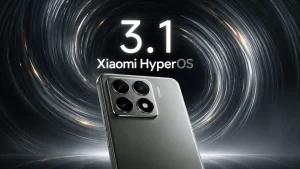
Xiaomi 15 Receives Stable HyperOS 3.1 on Android 16 in Europe: Rust Architecture and Apple Integration
European Xiaomi 15 users have started receiving the stable HyperOS 3.1 update based on Android 16, featuring a new Rust-based architecture for enhanced multitasking and native synchronization with the Apple ecosystem.
In reality, Xiaomi acknowledges the obvious: many users choose Android flagships but continue working on a MacBook. Instead of forcing users to buy everything from one brand, the company simply removed technical barriers.
Card-based multitasking: goodbye chaotic grid
Xiaomi has finally abandoned the overloaded grid of running apps in favor of a stacked card interface. The “recent apps” menu now looks like a dense deck of cards layered on top of each other.
This approach solves the main issue of large screens: instead of scanning the entire display, you see a concentrated stream of apps in one place. You can see the edge of the previous card and the title of the next one, allowing you to scroll through the list almost on muscle memory without analyzing each preview. Fewer swipes are needed, and selecting the right app becomes more precise.
Let’s be honest: Xiaomi didn’t just take inspiration — it almost directly replicated the Dynamic Island concept. But while it previously felt like a rough imitation, in HyperOS 3.1 this “island” finally justifies its place on the screen. What can it do?
Background activity control
The most useful feature is “live activities.” If you order a taxi or food, you no longer need to leave your browser or Telegram to check the status. The island expands and shows the waiting time directly at the top of the screen.
Interactive player
When playing music, the island turns into a mini control panel. With a single tap, you can expand it to change tracks or view album artwork without opening the app.
System notifications
Connecting headphones, battery status, voice recorder activation, or “Do Not Disturb” mode no longer cover the entire screen with large pop-ups. Instead, they appear neatly around the camera area.
Timers and recordings
If a voice recorder or timer is running, an active indicator is always visible at the top. This is convenient because you always know recording is in progress and can stop it with a single tap.
How well is this implemented? Animations in HyperOS 3.1 have become significantly smoother — the sharp pixel jumps seen in earlier versions are gone. Xiaomi has achieved a level of fluidity that is very close to iOS. The main downside remains the same: everything depends on whether developers adapt their apps (for example, Bolt or Glovo) to this interface. For now, system apps and major global services work best.
What you need to know about installation
The update has Stable status and is rolling out for the EEA (Europe) region. If your Xiaomi 15 has not received the notification yet, you can check for it manually via “About phone” → “OS version”.
This release clearly shows Xiaomi’s new direction: a focus on code reliability, openness to other ecosystems, and improved interface ergonomics.
Більше новин в телеграмі