
GrapheneOS: how to install it, which smartphones it supports, and why it’s considered one of the most secure Android systems
Over the past years, smartphones have become far less private. Most operating systems collect telemetry, apps request access to everything, and personal data has turned into a commodity. It’s no surprise that more people are looking for solutions that provide real protection rather than comfortable promises. One of these solutions is GrapheneOS — a security-focused operating system created for users who want full control over their privacy and want to reduce the risk of data exposure.
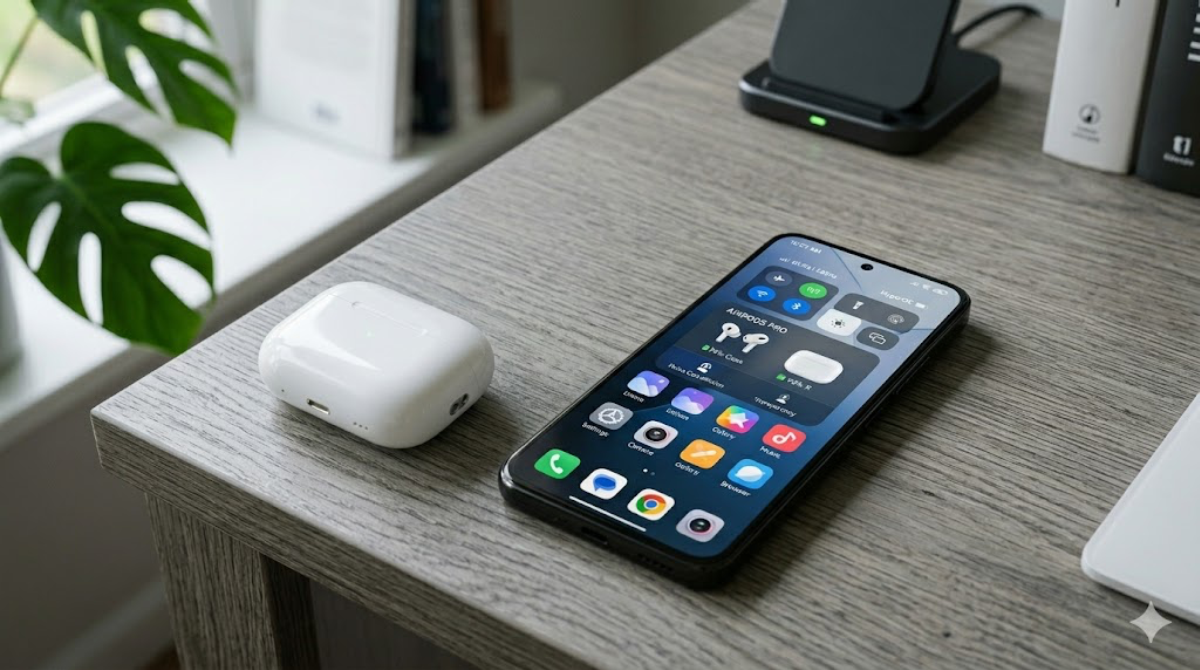
GrapheneOS is a hardened, privacy-enhanced version of Android (AOSP) designed for Google Pixel devices. The developers don’t add anything unnecessary to the system — instead, they remove components that could collect or transmit data without user consent. It’s not an experimental project but a stable OS trusted by cybersecurity experts, journalists, human-rights defenders, and users who want to minimize their digital footprint.
How GrapheneOS differs from standard Android
The primary focus is real security and privacy, not marketing terms. The system is based on Android but includes several key improvements.
First, GrapheneOS fully redesigns app permission mechanisms. Every app operates in an isolated environment. Think of the smartphone as hundreds of small rooms — an app can’t leave its assigned room unless you explicitly grant permission. This drastically reduces the risk of tracking and metadata collection.
Second, GrapheneOS offers advanced network access controls. You can decide which apps are allowed to access the internet and which shouldn’t connect at all. Even if an app has vulnerabilities or hidden telemetry, your data won’t leave the device.
Third, the system uses enhanced storage encryption. Data remains encrypted at all times, and even if the device is stolen, unauthorized access is extremely unlikely.
How GrapheneOS works with Google services
Google services are not installed by default. This gives users the freedom to decide whether they want Google Play, Maps, Gmail, YouTube, or any other Google functionality.
If you need them, you can install sandboxed Google Play — a version of Google services running in an isolated environment with restricted access. Unlike traditional Android, Google cannot access system-level permissions.
This provides two major benefits:
- reduced data collection;
- more control over accounts and services you choose to use.
Who should consider GrapheneOS
Not everyone needs this level of protection. But if privacy is a meaningful part of your lifestyle, GrapheneOS may be a solid alternative.
It’s commonly chosen by:
- people who work with sensitive or confidential information;
- journalists, activists, humanitarian workers, and legal professionals;
- users who want to reduce their digital footprint;
- privacy-focused individuals who value granular app controls;
- people frustrated with intrusive apps and aggressive tracking.
In these cases, GrapheneOS becomes more than an operating system — it’s a tool for personal security.
Is GrapheneOS difficult to use?
Everyday actions — messaging, taking photos, browsing, working with documents — remain familiar. It looks and behaves like clean, stock Android, so the learning curve is minimal.
The only complexity comes from the high degree of control the system provides. Users can adjust access for sensors, Bluetooth, Wi-Fi, cellular networks, background services, and more. This flexibility is powerful but requires some attention during setup.
Why GrapheneOS is available only for Pixel devices
Security relies heavily on hardware. Google Pixel smartphones include the Titan M or Titan M2 security chip, responsible for encryption, secure boot, and protection against low-level attacks. GrapheneOS supports only Pixel because it can guarantee that all security features function as intended.
Attempting to install GrapheneOS on brands like Samsung, Motorola, Xiaomi, or Huawei leads to missing critical security components, so official ports do not exist.
Should you switch to GrapheneOS?
If you want an operating system that does not track your location history, does not activate the microphone without permission, does not send metadata to third-party services, and gives you control over how your device behaves — GrapheneOS is one of the strongest options available.
It isn’t a magical shield, but it offers a transparent set of tools:
- fine-grained network access control,
- full-device encryption,
- enhanced privacy protections,
- restricted Google services,
- a clean Android environment without trackers.
For anyone looking to maximize privacy, it stands out as one of the most stable and trustworthy choices.
Which smartphones support GrapheneOS
GrapheneOS officially supports only Google Pixel devices. The reason is the Titan M and Titan M2 hardware security modules — essential for the OS’s security model.
Supported models
Full support (current models):
- Pixel 6
- Pixel 6a
- Pixel 6 Pro
- Pixel 7
- Pixel 7a
- Pixel 7 Pro
- Pixel 8
- Pixel 8 Pro
- Pixel 8a
- Pixel 9
Partial support (older models):
- Pixel 5
- Pixel 5a
- Pixel 4a (5G)
GrapheneOS cannot and will not be installed on Samsung, Xiaomi, Huawei, Motorola, or any other non-Pixel devices — this is the project’s official policy.
How to install GrapheneOS: a simple step-by-step guide
You can install GrapheneOS even without technical experience. The project provides an official web installer that works directly in your browser.
What you need
— a computer (Windows, macOS, or Linux)
— a USB-C cable
— a Google Pixel smartphone
— Chrome or Chromium browser (required)
Step 1. Open the official installation page
Go to:
https://grapheneos.org/install
You’ll see a photo-based guide and the “Install” button.
Step 2. Enable Developer Mode on your Pixel
- Go to “About phone”.
- Tap “Build number” multiple times.
- Developer options will appear.
- Enable “OEM unlocking”.
This allows replacing the stock operating system.
Step 3. Connect your Pixel to the computer
Use a high-quality or original USB-C cable. Many low-cost cables only charge and do not transfer data, causing installation failures.
Step 4. Launch the web installer
On the GrapheneOS website, click “Install”.
The browser will ask for USB access — allow it.
The installer will:
- download the correct image,
- verify its authenticity,
- flash your device automatically.
This process usually takes 3–10 minutes.
Step 5. Confirm installation on the phone
Your Pixel will show several warnings — this is normal.
Confirm using the power button.
Step 6. Wait for the first boot
The first boot may take up to 5 minutes.
After that, GrapheneOS is ready to use.
How to use GrapheneOS: key features
GrapheneOS looks similar to stock Android but includes additional privacy-focused tools.
1. Google Play is not installed by default
Google services are optional.
If you need them:
— Play Store
— Google Maps
— Gmail
— YouTube
You can install sandboxed Google Play — safe, isolated, and permission-restricted.
2. Expanded permission controls
You can independently manage:
— sensor access
— network access
— Bluetooth access
— camera and microphone
— file storage permissions
This offers real privacy, not just marketing claims.
3. You can install any Android apps
Available app sources:
• Aurora Store (anonymous Google Play access)
• F-Droid (open-source apps)
• Sandboxed Google Play (for compatibility)
Most mainstream apps work without issues.
4. Enhanced Wi-Fi, SIM, and network security
Apps cannot read your real MAC address or access your true location without permission.
5. Multiple user profiles
GrapheneOS allows separate profiles:
— work
— personal
— guest
Each profile has its own data, settings, and permissions.
6. Frequent updates
Updates are delivered regularly and install quickly.
The project is maintained by experienced security professionals.
Important things to know before installation
- You need a Pixel smartphone. Other brands are not supported.
- Some banking apps may not work due to strict security requirements (though most do work).
- Installing GrapheneOS erases all data — back up your device first.
- The system offers deep control, which is a benefit but requires user attention.
GrapheneOS is not a magic shield, but it is one of the strongest ways to protect your smartphone and reduce the amount of data collected about you.
Більше новин в телеграмі