
Apple is preparing the biggest shake-up to the iPhone release cycle in more than a decade. Instead of one major launch every fall, the company is moving toward a dual-season release strategy: premium models in the fall, mainstream and affordable models in the spring.
It sounds like a small logistical adjustment, but the implications are much deeper. Apple is not simply shifting dates — it is restructuring the entire iPhone lifecycle to stabilize sales throughout the year, compete more aggressively with Samsung, and create space for brand-new form factors such as a more affordable iPhone line or even the long-rumored iPhone Fold.
What the new release cycle might look like
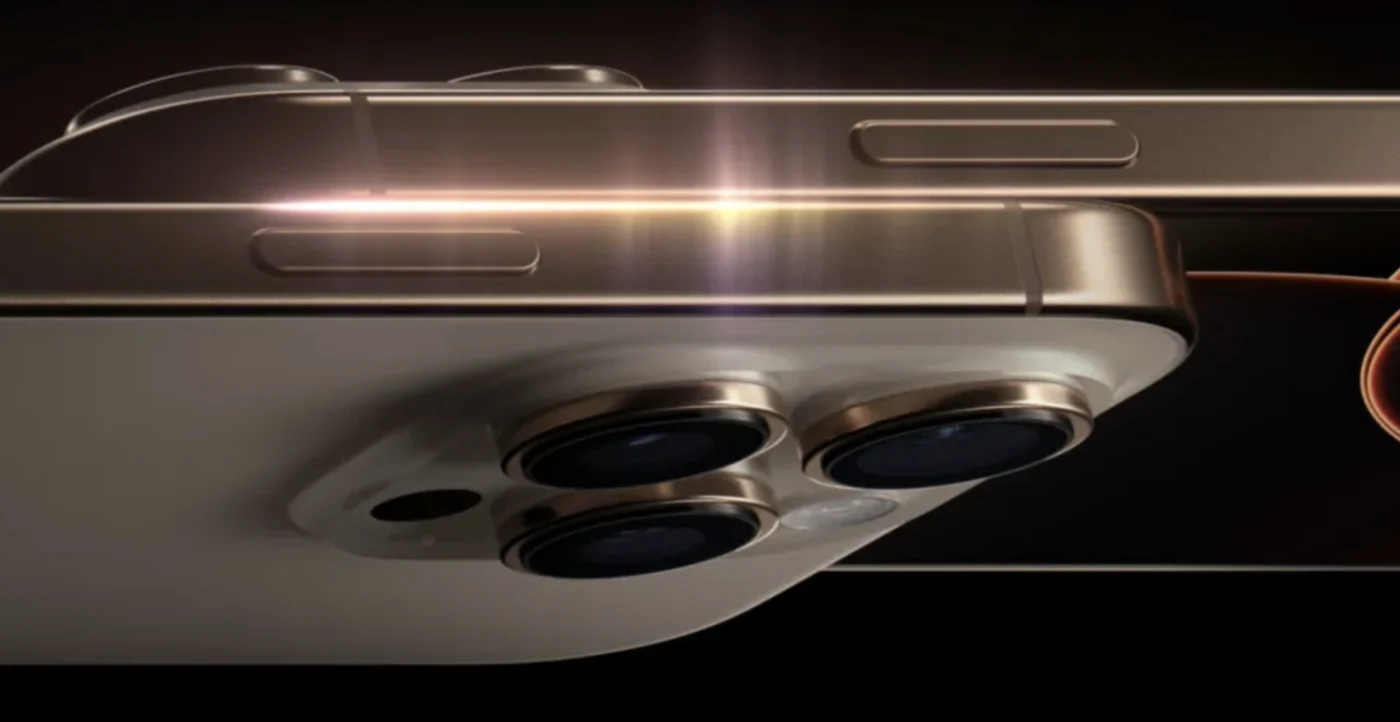
Apple is transitioning away from the traditional single fall launch and shifting to a two-wave release schedule. The fall event becomes the home of all premium innovations — this is where we’ll see the iPhone 18 Pro, iPhone 18 Pro Max, and potentially a brand-new form factor like the iPhone Fold. This lets Apple focus attention on cutting-edge features such as new camera systems, redesigned chassis, and next-generation Pro chipsets that set the tone for the entire ecosystem.
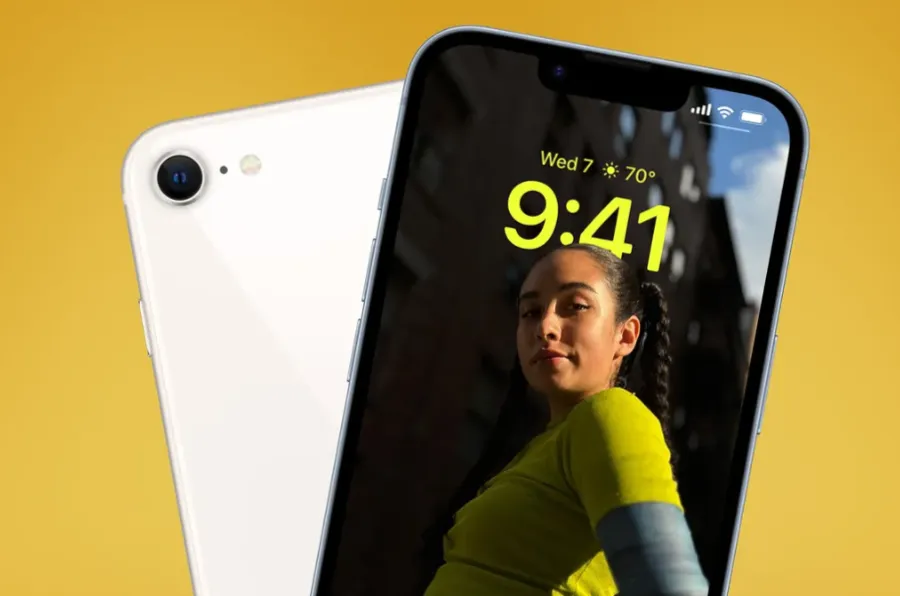
Spring, meanwhile, becomes the season for mainstream models. This is where the iPhone 18, iPhone 18 Plus, and the more affordable iPhone 18e are expected to appear. These devices don’t need to deliver breakthrough innovation — their role is to drive volume, reach a wider audience, and boost Apple’s presence in the mid-range segment. By splitting the lineup, Apple creates a smoother sales curve: no more massive spike in the fall followed by months of market cooling.
In practice, this gives Apple a far more flexible market strategy. Users get two upgrade windows per year, while Apple gets the freedom to introduce new hardware categories without forcing them into the crowded traditional fall keynote. It’s a structural shift comparable to the launch of the iPhone X — one that could reshape the entire smartphone industry.
Expected timeline
Fall 2026:
• iPhone 18 Pro
• iPhone 18 Pro Max
• (Possibly) iPhone Fold or another premium experimental device
Spring 2027:
• iPhone 18
• iPhone 18e
This effectively creates two distinct update cycles, each targeting a different audience.
Why this matters for users
On the surface, the shift may seem minor — but for buyers, it can change everything. Until now, most people were locked into the September release cycle. If you wanted a new iPhone, you either bought last year’s model or waited up to eleven months. With the new schedule, that pattern disappears. Base models will no longer be overshadowed by the Pro lineup and will receive their own dedicated spring update.
A separate spring release also has implications for pricing. These models are positioned for the mass market, which means Apple may keep prices more grounded or at least more predictable than the Pro series. And because launches are split across two seasons, choosing between Pro and non-Pro models becomes simpler: users are no longer comparing everything on the same day, under the same spotlight. For Apple, this makes the fall lineup even more premium and more clearly defined.
Another important effect: budget and mid-range iPhones will finally get proper attention. The SE and “e”-class models often disappeared in the noise of the flagship event. With their own season, they will receive full media coverage, creating a stronger alternative to Android devices in the same price range.
How this shift affects the Android and Samsung ecosystem
Apple’s new strategy places pressure on Android competitors — and on Samsung in particular — at multiple levels. Samsung traditionally launches its Galaxy S flagship series in January, aiming to dominate early-year sales. But if Apple introduces a strong spring iPhone lineup, especially the iPhone 18 and 18e, it could disrupt Samsung’s momentum in key markets like the U.S. and Europe. A spring iPhone launch directly challenges Galaxy S sales during their most vulnerable period.
The impact on Google Pixel could be just as significant. Pixel phones already struggle to compete with fall iPhone releases in the global news cycle. If Apple also takes over the spring window, Pixel may find itself squeezed out of mainstream attention completely, surviving mostly among enthusiasts.
U.S. mobile carriers will also feel the change. Two major iPhone releases per year mean two contract-upgrade seasons, two waves of promotions, and more frequent upgrade cycles for customers. For the market as a whole, this represents a major shift in sales dynamics.
Does this mean two top-tier upgrades per year?
No.
Apple is not planning to release two sets of Pro-level innovations annually.
Most likely:
Fall = the most advanced flagship models (Pro)
Spring = refreshed standard models and more affordable variants
This is a sales strategy, not a move to double the pace of technological upgrades.
Why Apple is making this change in 2026–2027
According to insiders, Apple will keep the premium September launch — the iPhone 18 Pro and 18 Pro Max in 2026 (and likely the iPhone 19 Pro series in 2027).
However, the company plans to shift the standard lineup to spring for the first time in many years.
Several factors lead to this:
• Uneven sales distribution. Apple sees a huge spike in Q4 and a long decline from January to July. A spring release stabilizes yearly performance.
• Growing gap between Pro and standard iPhones. They now differ so much that releasing them together is becoming counterproductive.
• New form factors. The iPhone Fold is increasingly likely, and such a device benefits from a dedicated release slot.
• Lower production risks. Splitting releases reduces pressure on the supply chain and helps avoid disruptions.
All together, these elements point to a new era in Apple’s mobile strategy.
Більше новин в телеграмі