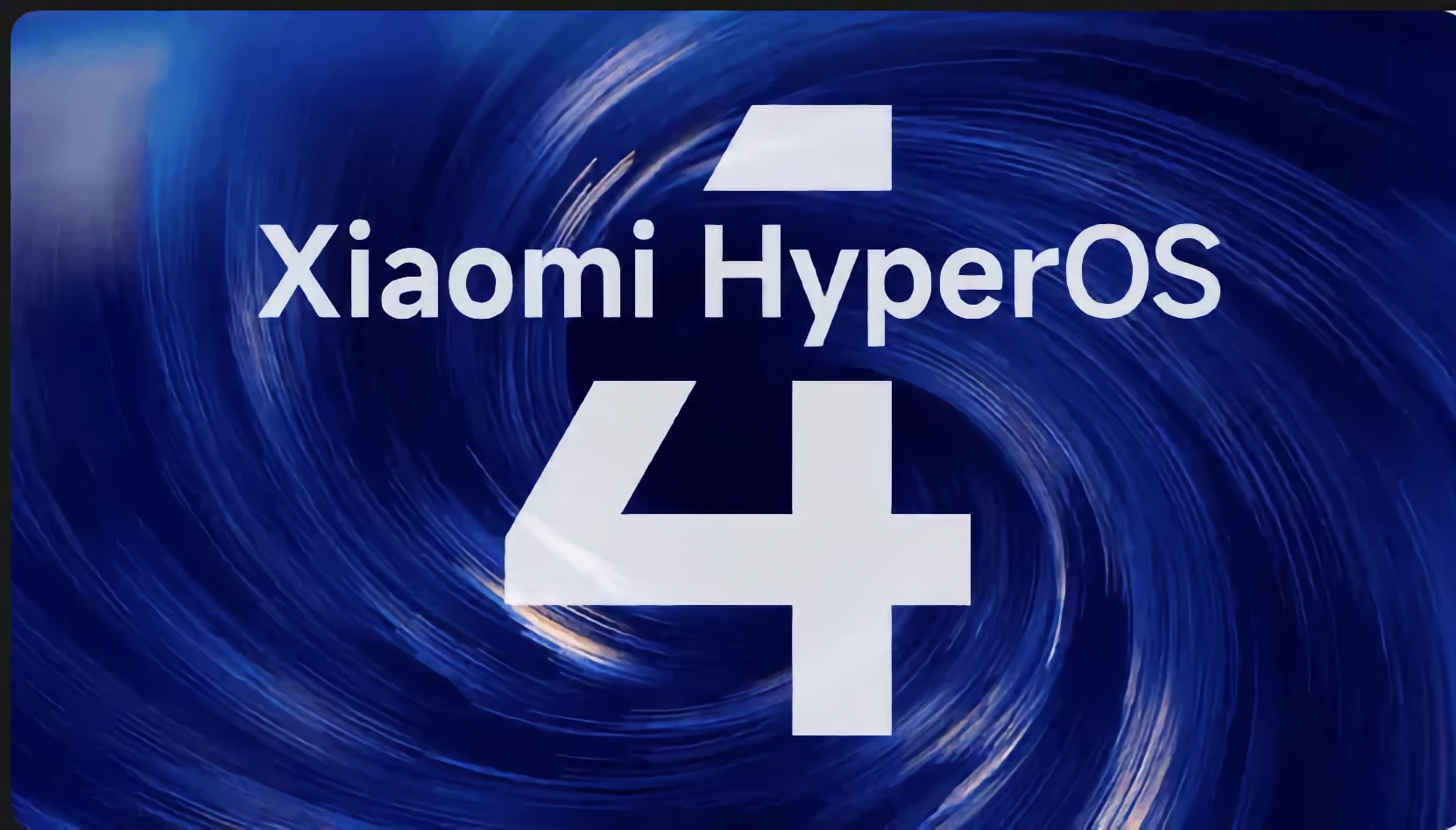
Firmware Evolution: Xiaomi Announces HyperOS 4 Featuring Deeply Integrated AI Agent Miclaw
The company’s CEO, Lu Weibing, announced that the new platform will debut as early as the third quarter of 2026 (Tentatively in July-August). This update is positioned not as a cosmetic interface refresh, but as a large-scale technological shift. The central highlight of the system will be the full integration of an innovative autonomous artificial intelligence named Miclaw.
What Is the Miclaw AI Agent and How Will It Change the Smartphone Experience?
The Miclaw Difference
Miclaw is a full-fledged AI agent integrated at the core system level of the firmware, which significantly sets it apart from regular chatbots or photo editing tools.
Agent Capabilities
Independent execution of complex tasks, operating within the user’s personal context, and functioning as a central ecosystem hub.
The main distinction of the new AI lies in its autonomy and capacity for agent-based behavior.
Functional Capabilities
Independent execution of complex tasks. Instead of simply answering questions, Miclaw can interact with system functions and third-party applications. For instance, with a single voice request, it is capable of finding a specific photo on a social network, copying it, and sending it to your friend in a messenger entirely on its own.
Operating within the user’s context. The system analyzes the owner’s habits, understands complex, semi-vague commands, and automates routine processes in the background, eliminating the need to wander through settings menus.
Ecosystem hub. The AI is being developed as a core element of the “Human × Car × Smart Home” concept. It will be able to synchronously manage not only smartphone functions or Mijia home appliances, but also promptly interact with the onboard systems of Xiaomi EV electric vehicles (For example, setting up climate control in advance before you leave).
Technological Foundation: Saying Goodbye to the Past
In addition to artificial intelligence integration, HyperOS 4 is preparing a major architectural overhaul. Insiders report the implementation of a Zero-Legacy strategy. Xiaomi developers are actively purging the operating system of legacy code and SDKs that have carried over since the early days of MIUI.
To enhance stability, optimize RAM, and boost security, the new framework components are being written in modern languages like Rust and Flutter. The upcoming Android 17 OS will serve as the base for HyperOS 4, though with the maximum level of Xiaomi’s own customization. The visual style of the system will also receive an upgrade — the interface will get deeper integration of the signature “Leica aesthetics” with new color palettes and sophisticated typography.
Release Timeline and Global Prospects
Currently, the Miclaw AI platform is already undergoing closed beta testing among a limited circle of enthusiasts on the flagship smartphones of the Xiaomi 17 series. The official launch of HyperOS 4 in July-August 2026 will mark the start of the mass device rollout.
An important nuance for the global market: Traditionally, Xiaomi’s most advanced ecosystem AI features initially appear exclusively in China due to language barriers and strict legal privacy regulations in the EU and other regions. However, the company has already confirmed its intention to adapt Miclaw for the international market to compete directly with Apple Intelligence and Google Gemini. Just how complete the global version’s functionality will be is something we will find out during the official release at the end of summer.
UITech Media
We continue to monitor the development of HyperOS 4 and the implementation of the Miclaw AI agent to keep you informed about update opportunities in the international market in a timely manner.
Get breaking news on WhatsApp
Більше новин в телеграмі