
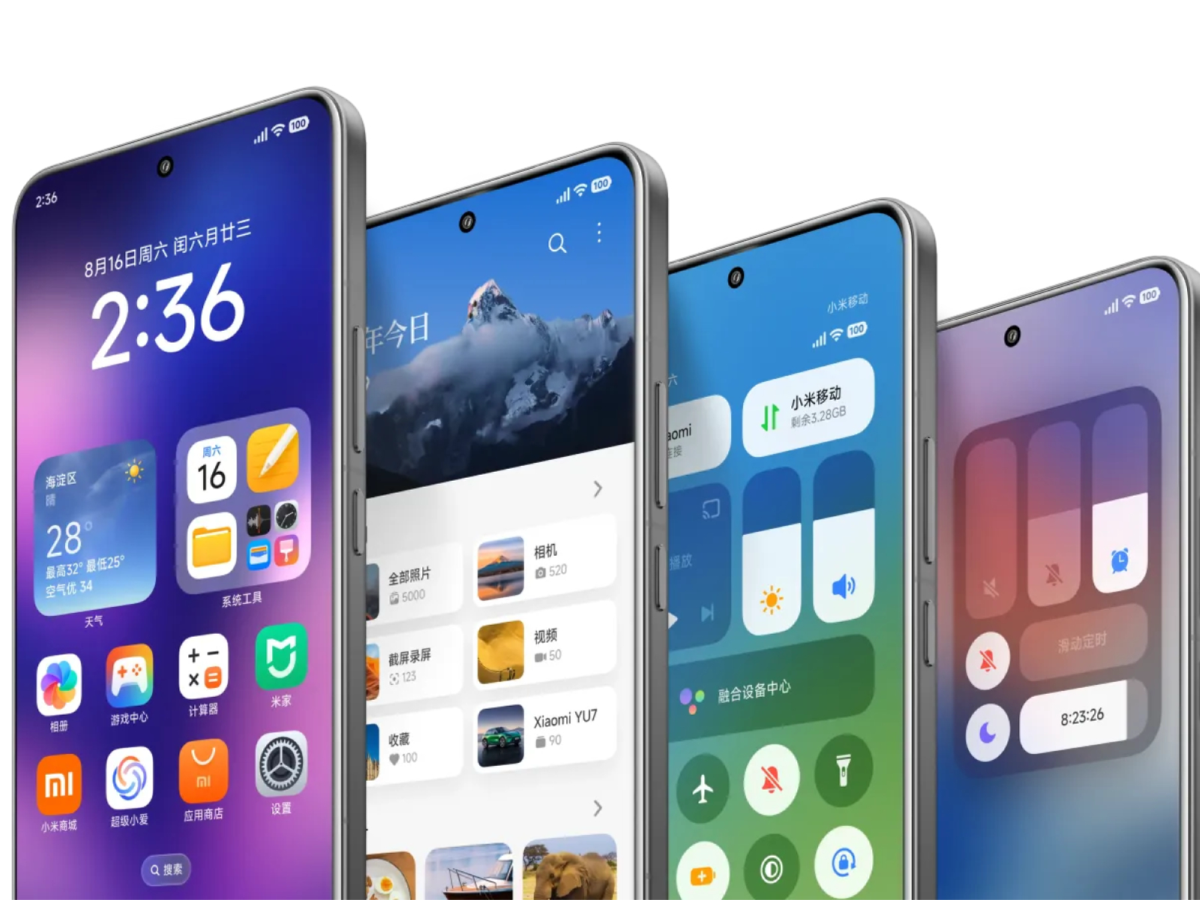
The situation where a Xiaomi or Redmi smartphone stops receiving security updates has become widespread in 2025–2026. Many models officially move to EOL status, and users notice that security patches no longer arrive and the Android or HyperOS version is no longer updated. This naturally raises the question: is it safe to use a Xiaomi without updates, and what actually happens to a smartphone after official support ends?
What the lack of security patches means on Xiaomi
After Xiaomi officially ends support for a smartphone, the device stops receiving monthly security updates. This applies to Xiaomi models as well as Redmi and POCO devices, which often have a shorter support lifecycle.
It is important to understand that the absence of security patches does not mean the smartphone is blocked or that Google services are disabled. Android and the HyperOS interface continue to operate in the state they were in at the time of the last update.
Below is a logical list with a Xiaomi focus:
- the Xiaomi smartphone no longer receives Android security patches;
- the HyperOS or MIUI version is no longer updated;
- Google Play Services remain active;
- Google certification does not disappear automatically;
- security risks accumulate over time rather than appearing instantly.
Will apps continue to work on Xiaomi without updates
One of the main reasons for concern is the fear that YouTube, Telegram, or banking apps will stop working on an older Xiaomi device. In practice, this does not happen immediately, as most apps are updated independently of the operating system.
Google Play Store continues to support older Android versions for a long time, which means that a Xiaomi without security patches remains fully functional in everyday use.
Within this block, the following points are relevant:
- YouTube and messaging apps work until compatibility is lost;
- banking apps are not blocked immediately after EOL;
- push notifications usually remain available;
- NFC and Google Pay may become less stable over time;
- issues appear gradually, not after a single update.
Real risks for Xiaomi smartphones without support
The key issue with older Xiaomi models is not the EOL status itself, but the combination of missing security patches and risky user behavior. Vulnerabilities most often appear when installing APK files from unknown sources or using outdated browsers.
For many Xiaomi users, the smartphone is primarily used for calls, messaging apps, and social media, and in this scenario the risks remain minimal for a long time. A different situation applies to active use of banking or work-related services.
The list in this section includes:
- an increased risk of browser vulnerabilities;
- older Android versions are less secure;
- financial apps are more sensitive to security issues;
- corporate services may lose compatibility;
- backup and children’s Xiaomi devices are less critical.
At this point, a logical question arises: if a Xiaomi smartphone no longer receives updates, does it make sense to stay within the brand ecosystem and simply choose a model with longer support. That is why it is worth looking separately at which Xiaomi devices in 2026 have a realistic chance of receiving updates for several more years.
For some users, the end of Xiaomi support becomes a signal to consider switching brands. This is especially relevant if the smartphone is used for work, financial transactions, or is planned as a primary device for several years ahead.
The absence of security patches on Xiaomi is not the end of a smartphone’s life cycle, but rather a point to reconsider its role. For many models, the remaining functionality is still sufficient if limitations are understood and usage scenarios do not change. That is why Xiaomi updates should be viewed rationally, in the context of real needs rather than emotions.
Більше новин в телеграмі



One thought on “What to do if your Xiaomi can no longer update and does not receive security patches”
Comments are closed.