OnePlus Ace 6 Ultra: A Powerhouse Smartphone Where Gaming Matters More Than the Camera
Positioning: Not a Universal Flagship, but a Gaming-Focused Tool
The OnePlus Ace 6 Ultra is difficult to treat as a typical smartphone, even when looking only at the specifications. Too many of its design choices make sense only in one scenario — prolonged нагрузка, primarily mobile gaming. This is not an attempt to build a “best-at-everything” device, but rather to solve a specific problem.
This approach immediately creates limitations. The phone performs best under constant load, but feels excessive in everyday use where its capabilities are simply not needed.
Suitable for
- Dedicated gamers: the device maintains stable FPS even after an hour of gameplay.
- Users seeking battery life: the 8600 mAh battery reduces reliance on power banks.
- Those who play while plugged in: bypass charging reduces heat and battery stress.
- Accessory enthusiasts: support for controllers, cooling fans, and additional modules.
- Long-term use: Dimensity 9500 provides performance headroom for years.
Not suitable for
- Users seeking compact devices: the phone is objectively heavy and thick due to the battery.
- Mobile photography users: the 50+8 MP setup does not match flagship camera standards.
- Casual users: 165 Hz and advanced cooling offer little benefit in everyday tasks.
- Design-focused buyers: the device prioritizes gaming ergonomics over aesthetics.
- Budget-conscious users: many features only make sense in gaming scenarios.
Dimensity 9500 (3 nm): Performance Under Sustained Load
The OnePlus Ace 6 Ultra is powered by the MediaTek Dimensity 9500, built on a 3 nm process. In this case, peak performance is less important than how long the processor can sustain it. In short bursts, the difference from other flagship chips is minimal.
Under prolonged load, however, the behavior changes. The chip maintains higher frequencies longer, generates less heat, and loses performance more gradually. As a result, the device avoids the typical performance drop seen after 20–30 minutes of gaming on thinner smartphones.
Cooling System with Vapor Chamber
The use of a vapor chamber of around 6000 mm² may look like an advantage, but in reality it is a necessity. This level of cooling is required to maintain stability under heavy load, not to improve everyday performance.
In practice, it results in more predictable behavior. There are fewer sudden FPS drops and fewer situations where the device overheats and throttles performance. At the same time, it highlights that the smartphone operates close to its limits under load.
8600 mAh Battery — Built for Gaming Sessions
The 8600 mAh battery is a defining feature of the device. In gaming scenarios, it allows for extended sessions without frequent charging or constant monitoring of battery percentage.
However, this comes at a cost. The smartphone becomes heavier and thicker, which is noticeable during long usage. As a result, battery life improves, but ergonomics are partially compromised.
Bypass charging directly affects behavior under load. When plugged in, power is supplied directly to the system rather than through the battery. This reduces heat and slows battery wear, which is particularly important during extended gaming sessions.
165 Hz Display and 3600 nits Brightness
The display with a 165 Hz refresh rate and peak brightness of 3600 nits looks impressive on paper. It provides smooth animations and good visibility in bright environments.
In practice, however, most games and applications do not utilize 165 Hz. The difference from 120 Hz is minimal, and the peak brightness only applies in short bursts rather than continuous use.
Gaming Controller and Accessories
An optional gaming controller adds four rear buttons with a response time of 1.8 ms. This improves control in fast-paced games, but does not replace a full gamepad, as it lacks analog sticks and front-facing buttons.
The controller also adds an antenna, a 3.5 mm audio jack, and support for external cooling. This enhances the gaming experience, but further narrows the device’s overall use case.
Memory and System Speed
Configurations with 12 or 16 GB of RAM and up to 1 TB of storage ensure fast system performance and eliminate storage limitations.
In everyday use, however, this level of hardware can feel excessive. Most users will not notice a significant difference compared to more modest configurations.
Camera: A Secondary Element
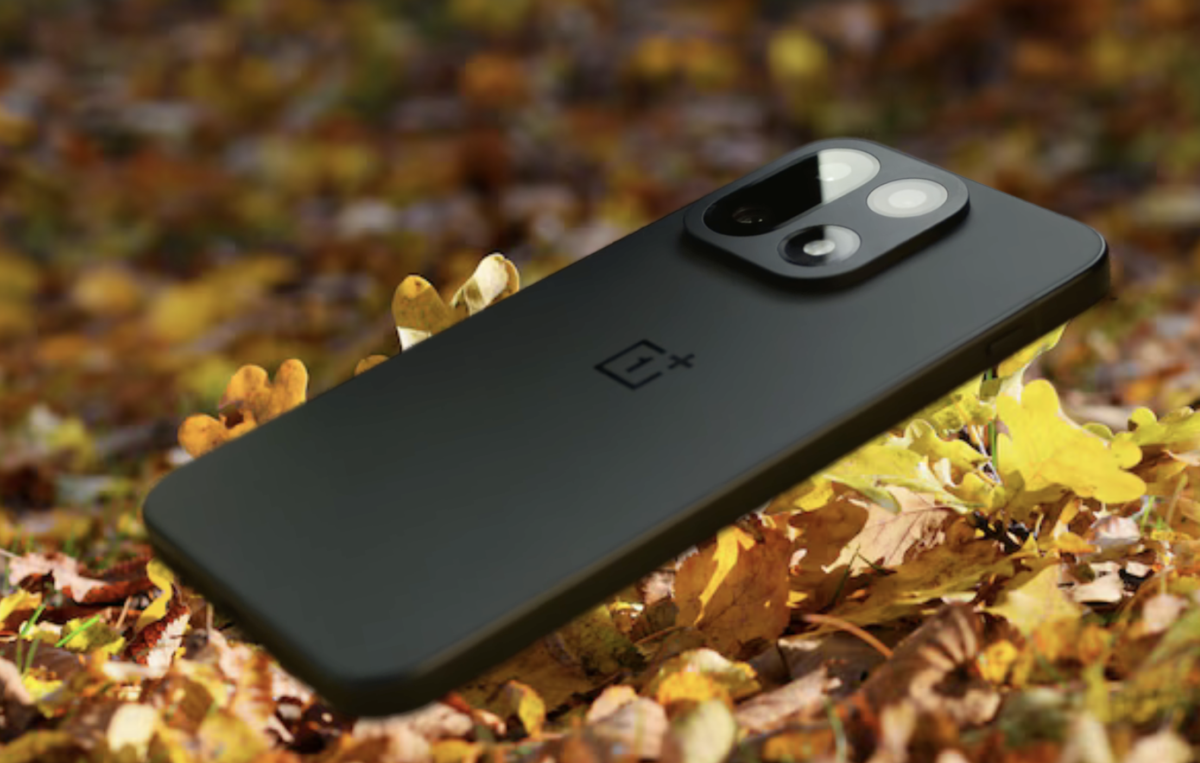
The main 50 MP camera and 8 MP ultra-wide module are not a strong point of the device. There is no advanced optics or zoom, which becomes obvious when compared to other flagship smartphones.
This is a deliberate choice, but it limits the device outside gaming scenarios. The camera handles basic tasks, but nothing beyond that.
UITech Media Opinion
The OnePlus Ace 6 Ultra only makes sense in one scenario — sustained load and gaming. Its hardware works together when stability and battery life are priorities.
In all other cases, some of these decisions feel excessive or impractical. This is not a universal smartphone, but a specialized device with a clearly defined audience.
Більше новин в телеграмі